
Electricity Is Measured In What Units Of Power
Hey friend! Ever wondered how we keep track of all that invisible whoosh of energy powering our lives? You know, the stuff that makes your phone buzz, your lights shine, and your toaster… well, toast? It all comes down to understanding electricity and its units of measurement. And today, we're diving headfirst into the wonderful world of watts!
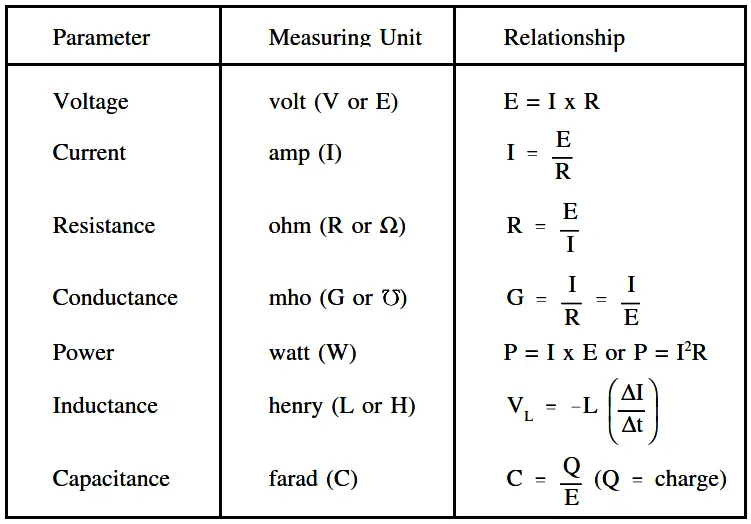
Think of electricity like water flowing through a pipe. The amount of water flowing is similar to power. Now, how do we measure that power? That's where our trusty units come in. We need to be precise because saying "a lot of electricity" just doesn't cut it when you're trying to design a power grid or, you know, not accidentally blow a fuse trying to microwave popcorn and run the hairdryer simultaneously. (Been there, done that!)
The Mighty Watt: The King of Power
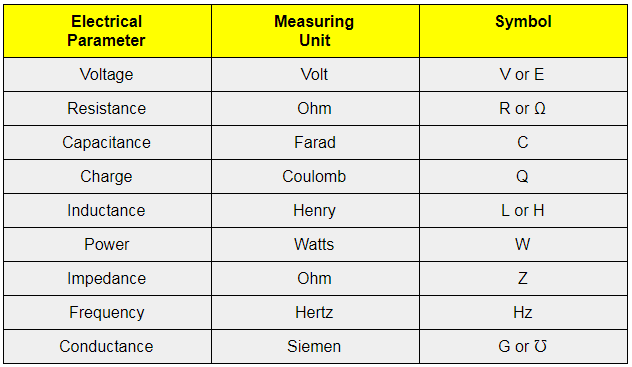
So, what's the main unit for measuring electrical power? Drumroll please… It's the watt (W)! Yep, named after James Watt, a Scottish inventor who improved the steam engine. Seems fitting, doesn't it? His steam engine helped power the Industrial Revolution, and now watts help power everything from your toothbrush to your Tesla! Talk about a legacy.
Must Read
A watt is the fundamental unit of power in the International System of Units (SI). Simply put, one watt is equal to one joule of energy consumed or generated per second. Okay, okay, don't glaze over just yet! Imagine a joule as the amount of energy it takes to lift a small apple one meter. A watt is like lifting that apple one meter every second. Still a little abstract? Don’t worry, we’ll get more practical!
Think of a light bulb. An old-school incandescent bulb might use 60 watts. A modern LED bulb that produces the same amount of light might only use 8-10 watts. That's a HUGE difference! It shows how much more efficient LED technology is. Less energy used to get the same result – that's the power of efficient design, measured in, you guessed it, watts!
Kilowatts, Megawatts, and Beyond! Scaling Up the Power
Okay, so watts are cool, but what if we're talking about powering entire cities or even entire countries? That’s where things get… well, bigger. We need bigger units!
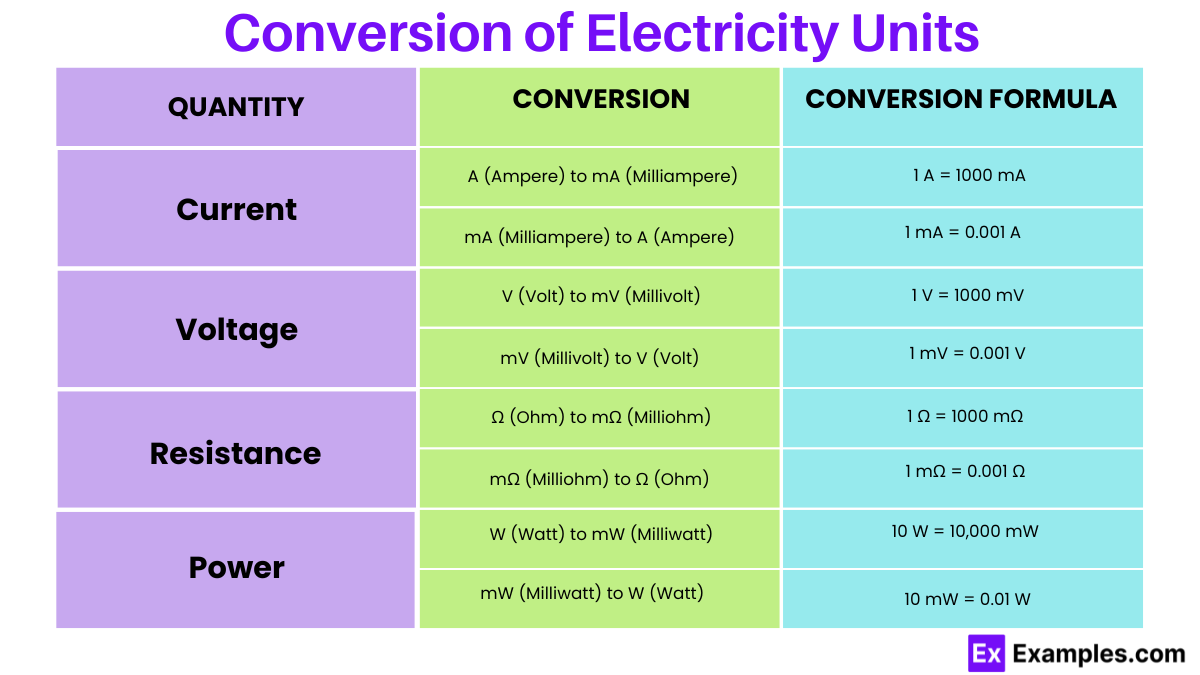
Enter the kilowatt (kW). "Kilo" means thousand, so one kilowatt is equal to 1000 watts. Your electric bill probably shows your energy consumption in kilowatt-hours (kWh). A kilowatt-hour is simply the amount of energy you use when you operate a 1-kilowatt appliance for one hour. For example, a 1000-watt microwave running for an hour will use 1 kWh of energy. Easy peasy!
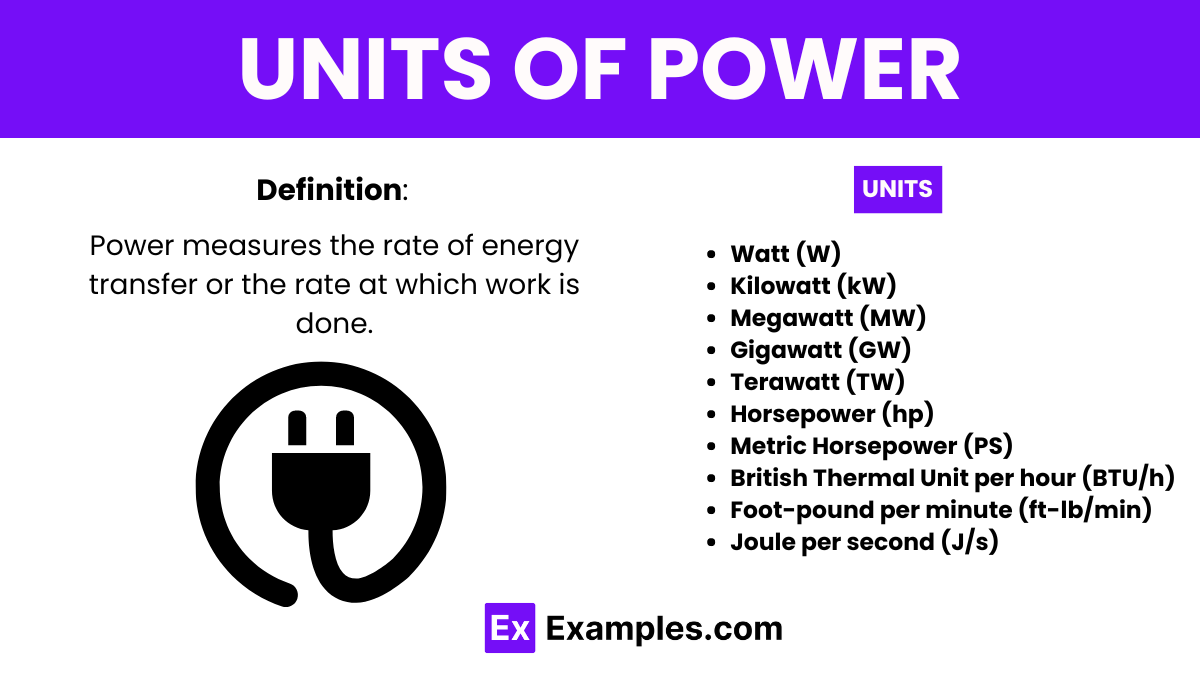
But we're not stopping there! Let's go even bigger! A megawatt (MW) is a million watts (1,000,000 W), or 1000 kilowatts. Power plants often generate electricity in megawatts. You might hear about solar farms or wind farms generating so many megawatts of power. Now that's a lot of apples being lifted per second!
And believe it or not, there are even larger units like gigawatts (GW) and terawatts (TW), but let's not get bogged down in the really, really big numbers. Unless you're planning on building a nuclear power plant, megawatts are probably big enough for your everyday conversations.
Putting It All Together: Understanding Power Consumption
So, how does this all translate to your daily life? Well, knowing the wattage of your appliances can help you understand your energy consumption and potentially save money. Look for the wattage rating on the appliance itself. It's usually printed on a sticker or plate somewhere on the device. Then you can estimate how much energy that appliance uses based on how often you use it.
For example, that power-hungry gaming PC might use 500 watts, while your energy-efficient refrigerator might only use 150 watts (on average). Understanding these differences can help you make informed decisions about which appliances to use and how often to use them, leading to a smaller electricity bill. And who doesn’t want that?!
Remember: Lower wattage doesn't always mean lower performance! Modern technology is getting better and better at doing more with less energy. So, when you're shopping for new appliances, look for the Energy Star label. These appliances are designed to be energy-efficient, meaning they’ll use fewer watts to get the job done. Saving the planet, one watt at a time! (Okay, maybe a lot of watts, but you get the idea.)

The Power is Yours!
So, there you have it! We’ve journeyed through the world of electrical power and its trusty unit, the watt. From lighting our homes to powering entire cities, understanding these concepts helps us appreciate the incredible energy that shapes our modern world.
Now you can impress your friends with your knowledge of watts, kilowatts, and megawatts! And remember, every little bit of energy conservation helps. So, next time you leave a room, flip off the lights. Every watt saved is a small victory for your wallet and the planet!
Keep learning, keep exploring, and keep shining bright (responsibly, of course – use those energy-efficient bulbs!). You've got the power!