
Dr. Pimple Popper Skin Tag Remover

Okay, let's talk skin tags. Tiny, annoying… and surprisingly fascinating, right?
Ever noticed those little dangly bits? They're officially called acrochordons, but "skin tag" is way more fun to say. They pop up in places like your armpits, neck, and groin. Basically, anywhere there's friction.
And who better to tackle them than the queen of all things skin: Dr. Pimple Popper! Yep, she's got a tool for that.
Must Read
So, What's the Deal with Dr. Pimple Popper's Skin Tag Remover?
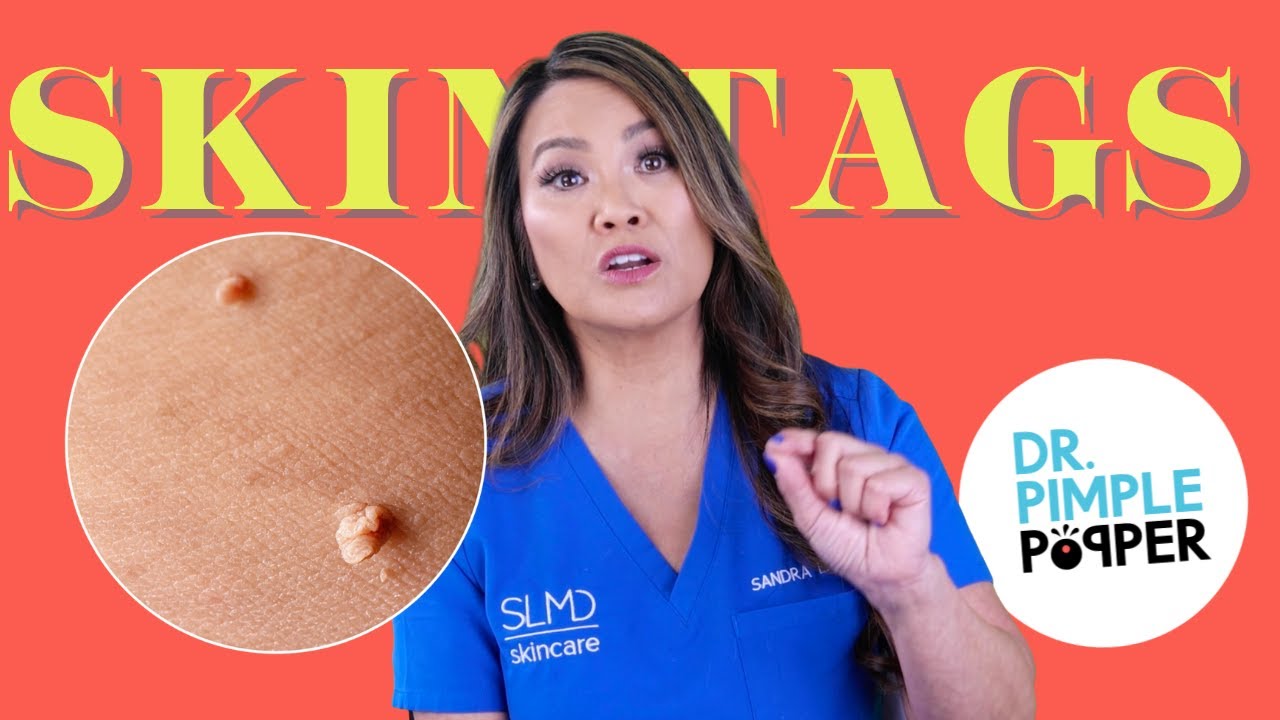
You know Sandra Lee, MD, right? She's the dermatologist who made pimple popping a spectator sport. (Don't judge, we've all watched!) She knows her stuff. And she's brought her expertise to the world of skin tag removal with her very own product.
Think of it as a DIY solution. A way to potentially ditch those pesky skin tags without a trip to the dermatologist... maybe. We'll get to that.
But first, a fun fact! Did you know that skin tags are super common? Like, seriously common. Almost everyone gets them eventually. It's practically a rite of passage.
How Does This Thing Work? (The Gory Details, Kind Of)
Okay, "gory" is probably an exaggeration. But here's the gist.

Dr. Pimple Popper's Skin Tag Remover often comes in the form of a small device with tiny bands. You basically loop a band around the base of the skin tag.
The idea? To cut off the blood supply. Think of it like putting a tiny tourniquet on that tiny tag.
Over time (days or weeks), the skin tag should shrivel up and fall off. Poof! Gone. Supposedly. Important word: Supposedly!
Another quirky tidbit: No one really knows exactly why we get skin tags. Genetics? Friction? A tiny goblin planting them while we sleep? The world may never know.
Is It Safe? (The Important Part!)
Here's where we get a little serious. While Dr. Pimple Popper's name adds a layer of trust, it's crucial to be cautious.
First things first: Always, always read the instructions carefully. This isn't a time to wing it.
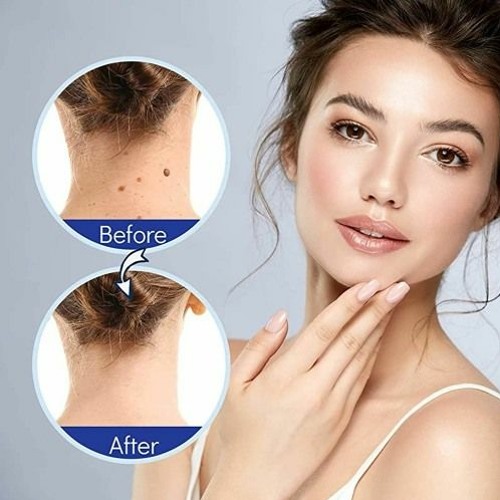
Second: Make sure what you're dealing with actually is a skin tag. Don't go attacking anything suspicious. Moles, for example, are a whole different ball game.
If you're even slightly unsure, see a dermatologist. Seriously. It's better to be safe than sorry. They can properly diagnose the growth and recommend the best course of action.
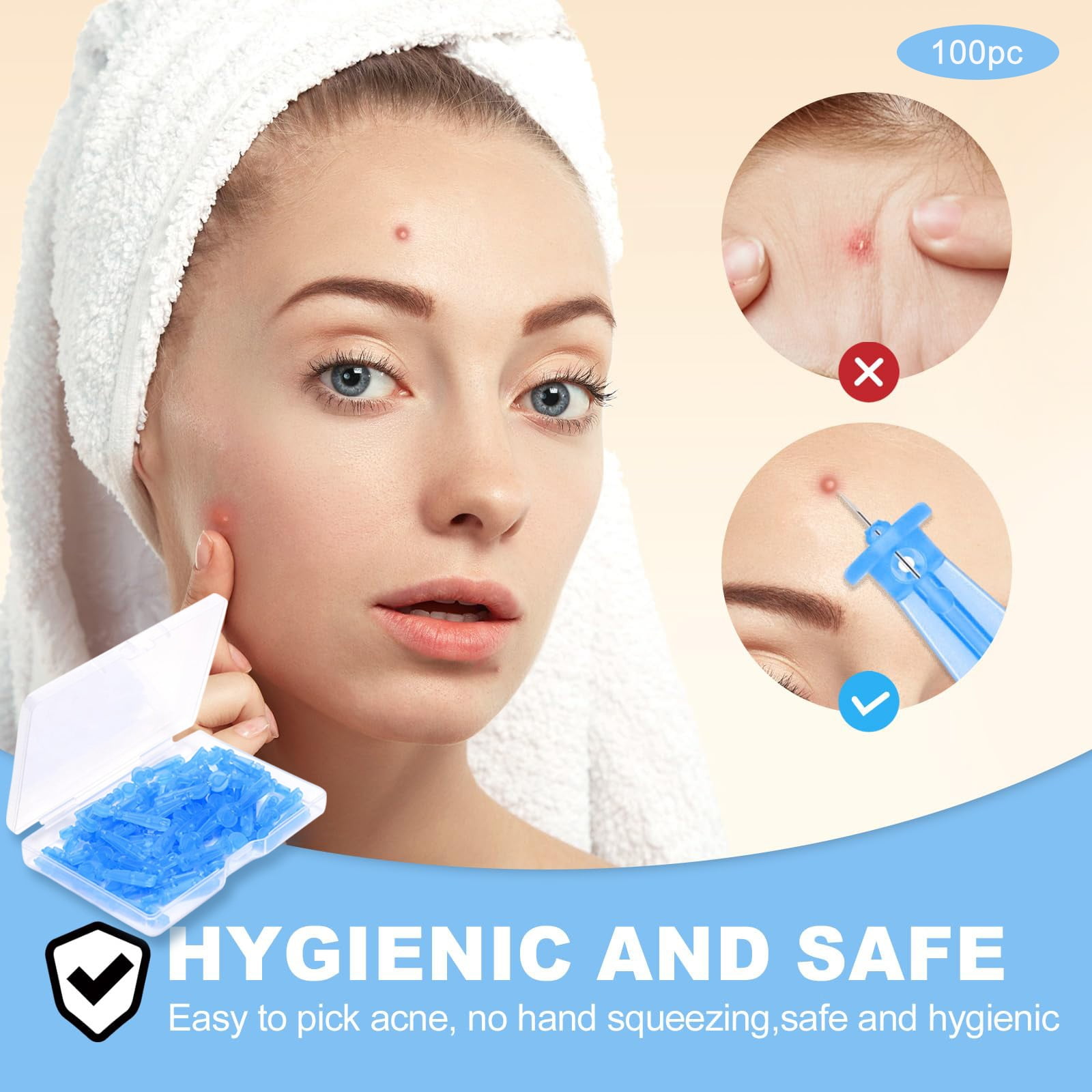
Third: Hygiene is key! Keep everything clean to prevent infection. Think surgical scrub, not just a quick swipe with a dusty tissue.
And a little note on the "pain" factor. Some people say it's painless. Others... not so much. It probably depends on your pain tolerance and the location of the tag. Expect a slight sting at most.
Why Are We So Obsessed With This Stuff?
Let's be honest, there's something strangely satisfying about the idea of removing these little unwanted growths ourselves. It's like a mini-surgery in your own bathroom!
Plus, Dr. Pimple Popper has made the whole process weirdly appealing. She's turned gross-out moments into oddly comforting content. It's a talent, really.
But remember, while the allure of DIY skin tag removal is strong, your health and safety come first. Always err on the side of caution.
So, there you have it. The lowdown on Dr. Pimple Popper's Skin Tag Remover. Use it wisely, and maybe watch a few of her videos while you're at it. (Just don't blame me if you end up down a pimple-popping rabbit hole.)
Now, if you'll excuse me, I'm off to examine my own armpits... just kidding! (Maybe.)
Disclaimer: This article is for informational purposes only and does not constitute medical advice. Always consult with a qualified healthcare professional before making any decisions about your health or treatment.