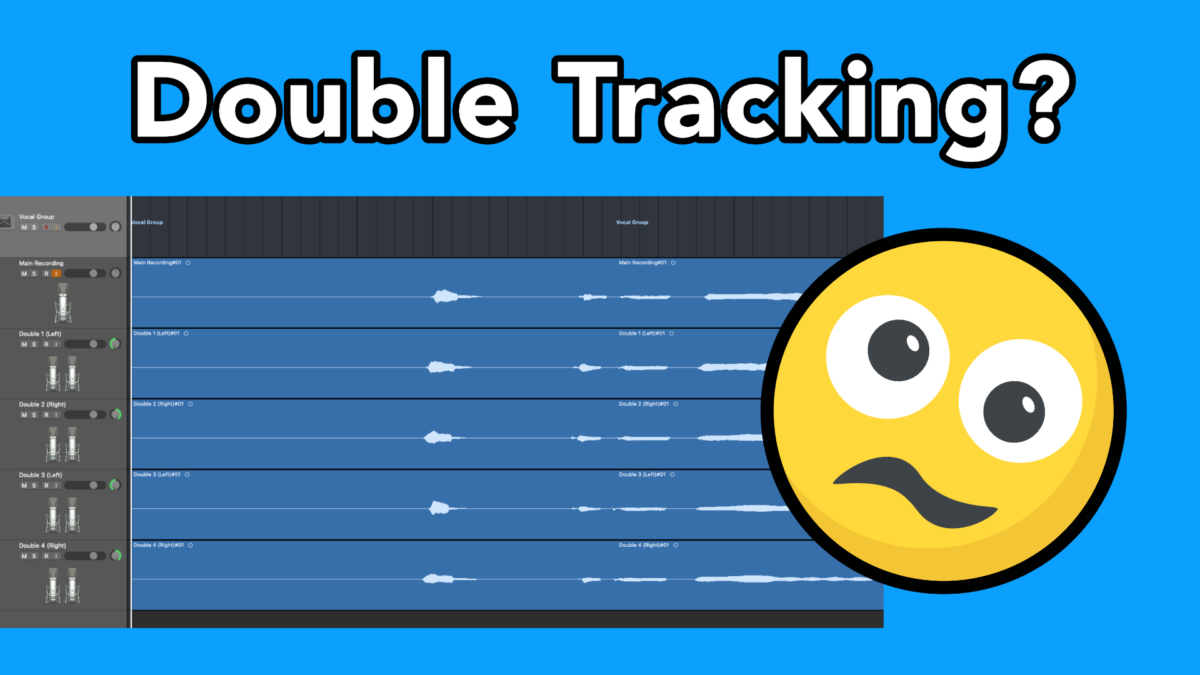
Double-tracking Was A Technique Frequently Used By
There's a secret weapon hiding in plain sight in countless hit records and beloved tracks – a technique so simple, yet so effective, that it's been a staple for generations of musicians. We're talking about double-tracking! It's more than just recording the same part twice; it's a journey into sonic richness that can transform a decent performance into something truly captivating. Think of it as the audio equivalent of adding a pinch of magic to your recipe.
What makes double-tracking so appealing? For artists, it's a fantastic way to instantly add depth and fullness to their vocals or instruments. It creates a natural chorus effect, making the sound wider, warmer, and more engaging. Instead of sounding thin or isolated, the part feels like it has presence and weight. For hobbyists, it's an accessible way to experiment with sound design without needing expensive plugins or complicated equipment. It empowers you to shape your sound in exciting new ways. And for casual learners, double-tracking provides an invaluable lesson in the subtle nuances of performance and how slight variations can have a dramatic impact on the overall feel of a recording.
The beauty of double-tracking is its versatility. You can hear it everywhere! In pop music, it's often used on vocals to create a lush, layered sound – think of the soaring harmonies in many Beatles songs. In rock, it adds power and aggression to guitars, as famously employed by Led Zeppelin. In folk music, it can create a more intimate and textured feel, like the intertwined voices in a Simon & Garfunkel track. You can double-track anything: vocals, guitars, bass, keyboards, even drums (though that's trickier!). You can even experiment with subtle variations in the second take. Try adding a slight vibrato, altering the phrasing, or even changing the tone a bit. These imperfections, when combined with the original track, can create a surprisingly organic and human sound.
Must Read
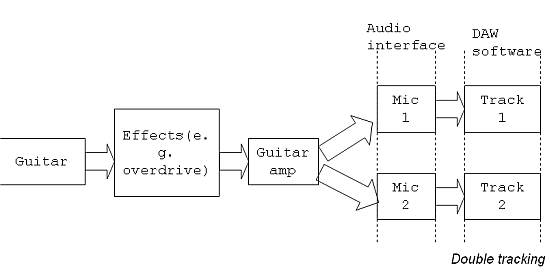
Want to try double-tracking at home? It's easier than you might think! All you need is a recording device (even a smartphone will do in a pinch), a microphone, and something to record! First, record your initial track. Then, listen back carefully and try to replicate the performance as closely as possible for the second take. Don't aim for perfection – slight variations are what give double-tracking its unique character. Experiment with different microphone positions and performance styles on the second take. Once you have both tracks, pan them slightly left and right in your mix to create a wider stereo image. Adjust the volume of each track until you achieve the desired blend.
Ultimately, the reason double-tracking is so enjoyable is that it's a playground for sonic experimentation. It encourages you to listen closely to your performance, to explore subtle variations, and to discover the power of layering. It's a reminder that even the simplest techniques can unlock unexpected sonic treasures and breathe new life into your recordings. So, grab your microphone and give it a try. You might just surprise yourself with the results!