Dont Toy With Me Miss Nagatoro Fanservice
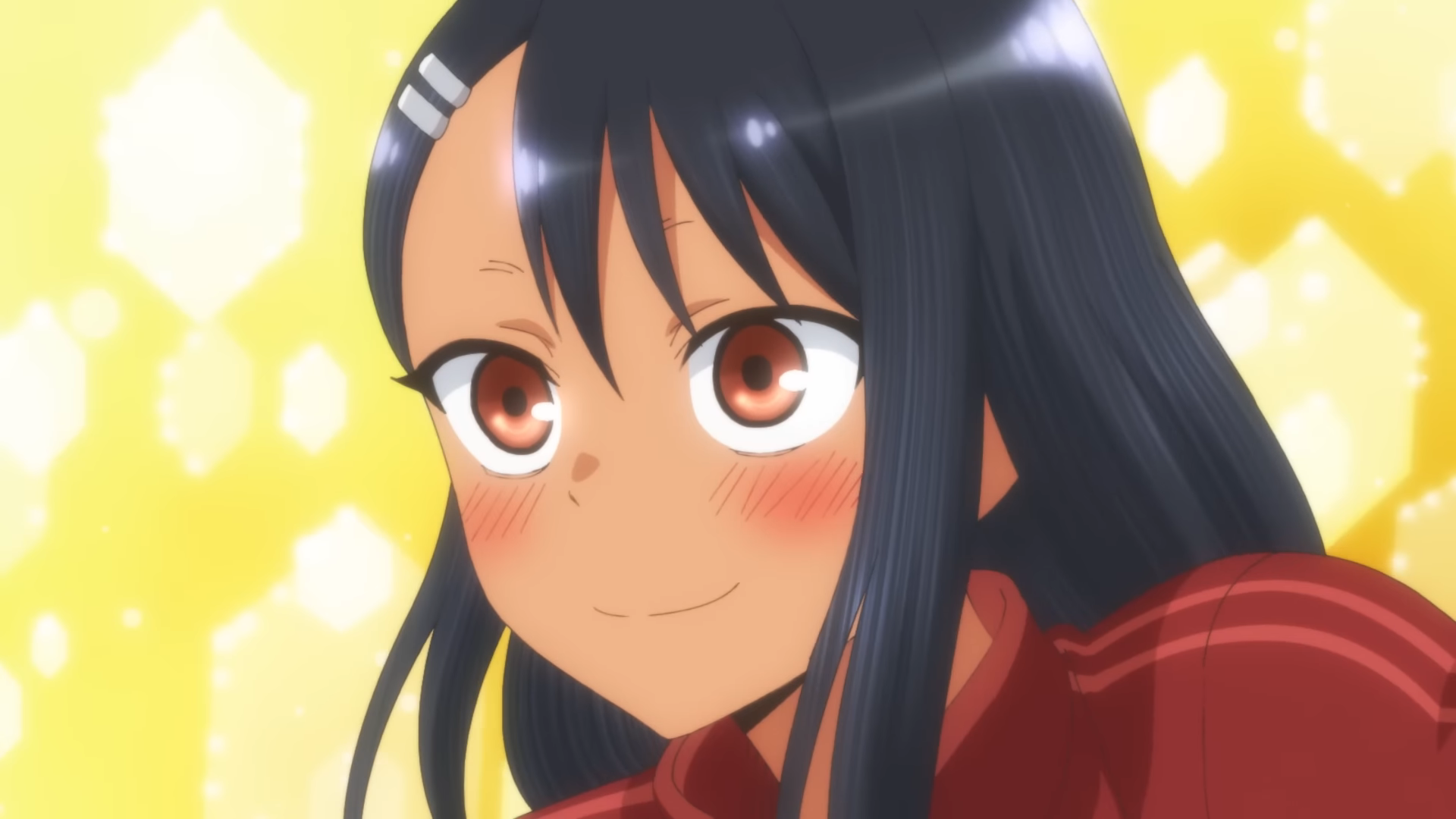
Okay, let's talk about something that often sparks conversation (and sometimes debate!) in the anime world: the fan service in "Don't Toy With Me, Miss Nagatoro." Now, before anyone gets their uchiwa fans in a twist, let's be clear: fan service is a complex topic, and its presence (or absence!) can significantly impact a viewer's enjoyment of a show. So, why is it worth discussing in the context of Nagatoro? Because it's undeniably there, and understanding its role, intended purpose, and how it affects the overall narrative can lead to a richer, more nuanced appreciation of the series.
So, what exactly is fan service? At its core, it's content added to a show (or any form of media) specifically to please the audience, often playing on their desires or expectations. In anime, this often translates to suggestive imagery, revealing outfits, or situations designed to titillate. The purpose? Well, primarily, it’s to attract and retain viewers. It's a marketing tactic, plain and simple. A dash of fan service can boost a show's popularity, leading to increased viewership, merchandise sales, and overall profitability. Think of it as a bit of extra spice added to the recipe.
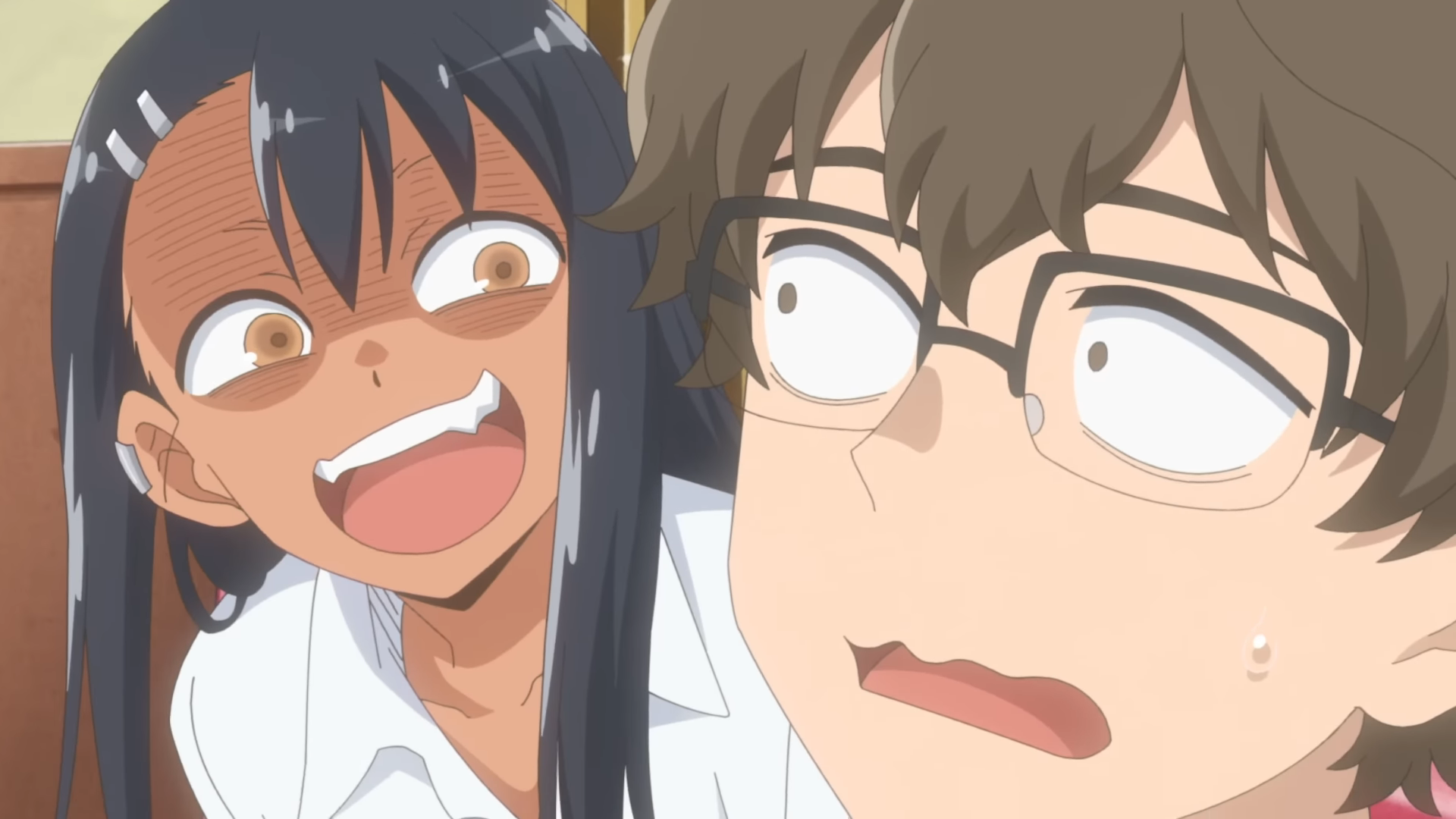
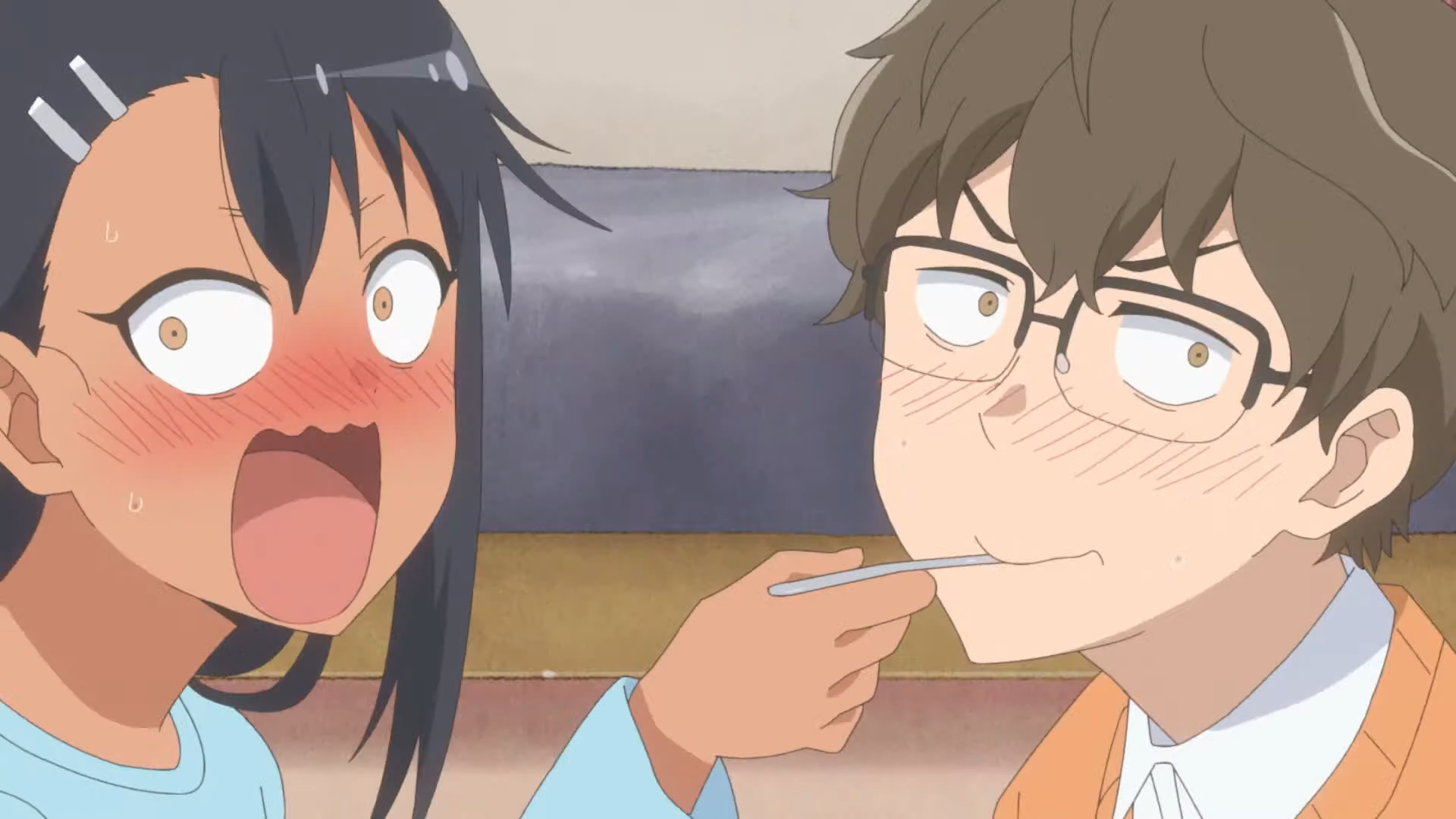
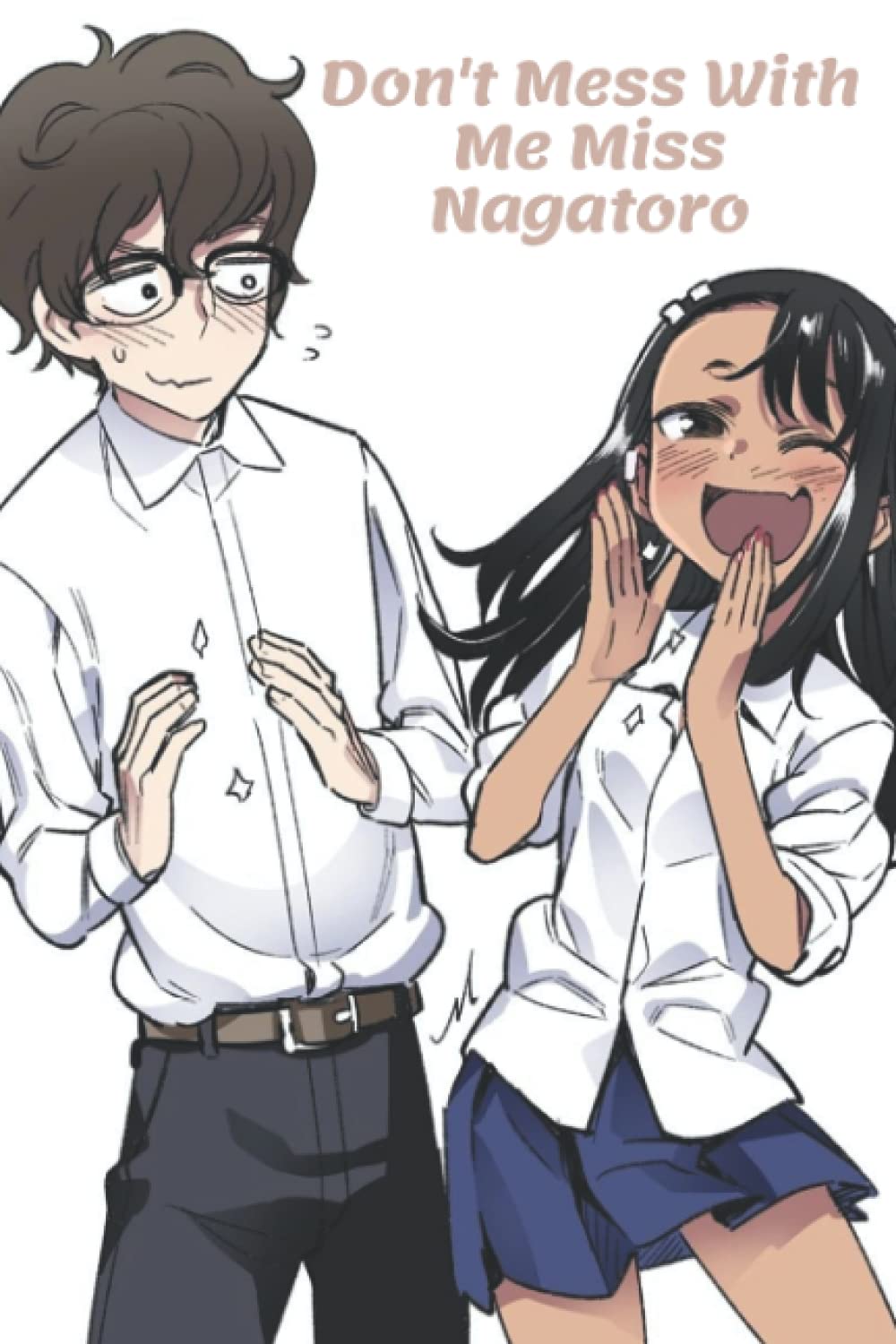
But in a series like "Don't Toy With Me, Miss Nagatoro," the fan service isn't just about sales. It's arguably woven into the very fabric of the show's central dynamic. Nagatoro's teasing and playful (though sometimes bordering on cruel) behavior toward Senpai is a key element of their relationship. The fan service, in this context, can be interpreted as an extension of that teasing. It adds another layer to their interactions, highlighting Senpai's awkwardness and Nagatoro's confidence. It's a visual representation of the power imbalance in their relationship, which, ultimately, is what drives the narrative forward.
Must Read
However, it's also crucial to acknowledge the potential downsides. Too much fan service can feel gratuitous, detracting from the story and character development. It can also alienate viewers who find it uncomfortable or objectifying. The line between playful teasing and objectification is a fine one, and "Nagatoro" sometimes dances dangerously close to it. The effectiveness of the fan service hinges entirely on individual perception and how well it's integrated into the overall narrative.
Ultimately, whether you enjoy the fan service in "Don't Toy With Me, Miss Nagatoro" is a matter of personal preference. There's no right or wrong answer. But by understanding its purpose, its potential benefits, and its potential drawbacks, you can approach the series with a more critical and informed perspective. Instead of simply reacting to it, you can analyze why it's there and how it contributes (or detracts) from the overall experience. So, the next time Nagatoro is up to her mischievous antics, take a moment to consider the bigger picture. It might just change how you view the series!