
Does Your Phone Bill Affect Your Credit
Ever stared at your phone bill, feeling that familiar little tug of dread or maybe just a flicker of curiosity? You know, the one where you wonder, "Hmm, does this little paper warrior (or digital ding!) hold the secret to my credit score's fate?" It's a question many of us ponder, right between choosing a new ringtone and debating if unlimited data is truly 'unlimited'.
Spoiler alert: It's not as dramatic as a superhero origin story, but it's definitely worth a chat! Let's dive into the fascinating, slightly tangled world of your mobile phone payments and what they mean for your credit health, with a little fun along the way.
Your Monthly Phone Bill Isn't Your Credit Score's BFF (Usually!)
Let's get straight to the buzzing point, shall we? For the most part, your regular, on-time monthly phone service payments are like a quiet, reliable friend. They show up, do their thing, but they don't typically run off to tell the big credit bureaus all about your impressive punctuality.
Must Read
Think of it this way: your excellent phone payment history for just the service itself is like acing a pop quiz that doesn't count towards your final grade. It's awesome you did it, and it feels good, but it won't directly boost your credit score.
This might seem a bit counterintuitive. You're being responsible, paying a bill every month! Shouldn't that count for something? Well, while it definitely shows good financial habits, traditional phone service isn't usually considered a type of "credit" that gets reported monthly.
Your regular phone service payments are like a secret superpower for being responsible – great for you, but the credit bureaus aren't always watching this particular movie.
But Oh Boy, When You Miss a Beat...
Now, hold up! While paying on time might not be a direct credit booster, not paying on time? That's a whole different ballgame, and it's got cleats! This is where your phone bill can absolutely, positively start doing the cha-cha with your credit score, but not in a good way.
Imagine your phone company as a diligent detective. For a while, they might just send you polite reminders. "Psst, your bill is due!" they whisper. Then maybe a slightly louder "Hey there, still waiting!"
But if those bills pile up like forgotten laundry, and you owe a hefty sum, things can escalate faster than a cat chasing a laser pointer. Eventually, if that bill becomes a runaway train of unpaid charges, your phone company might decide to bring in the big guns.

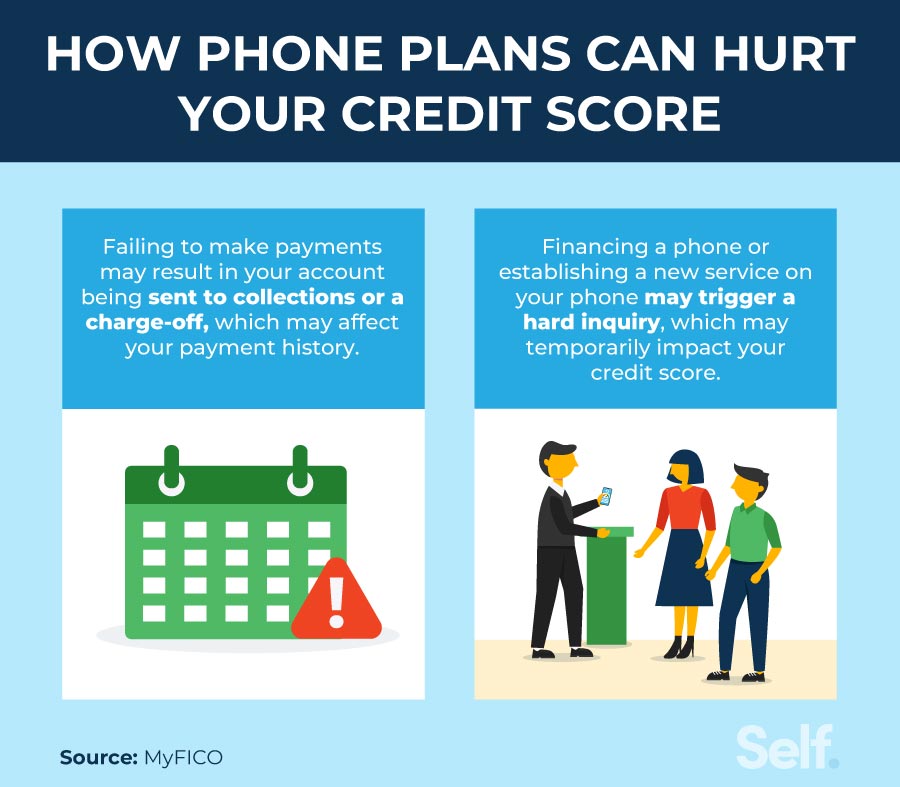
They could send your delinquent account to a collections agency. And that's when your credit score might start feeling a little woozy. A collections account on your credit report is like a giant, neon sign flashing: "Oops! This person had trouble paying a bill!"
It can send your credit score tumbling faster than a Jenga tower during an earthquake. This negative mark can linger on your credit report for years, casting a shadow over your financial trustworthiness.
And trust me, a bruised credit score can make it harder to do all sorts of fun adulting things, like getting a car loan with a decent interest rate or renting that sweet apartment of your dreams. It might even make it trickier to get approved for other types of credit, like a new credit card.
The Sneaky Exception: That Shiny New Phone!
Ah, but wait! There's a plot twist in our credit tale, especially if you financed that gorgeous new smartphone through your carrier. When you're paying off your phone in monthly installments, that's often treated more like a traditional loan.
It's like having a tiny, cool-gadget-specific mortgage, but for your pocket! You're essentially borrowing money from the carrier to buy the device, and then paying them back over time.
In these cases, your carrier might absolutely be reporting your payments – both the good and the bad – to the big credit bureaus. So, if you're diligently paying off your iPhone 15 Pro Max or your sleek new Samsung Galaxy every month, congratulations!

You're not just getting closer to owning your tech outright; you're also potentially building a positive payment history. This is excellent for your credit score, showing you're a responsible borrower.
Conversely, if you miss those device payments, it can hurt your credit score just like any other forgotten loan. It's like a secret agent mission: pay on time, and your credit score gets a high-five. Mess up, and it's a mission failure with immediate consequences.
Why the Credit Bureaus Are Picky Eaters
So, why the fuss? Why treat a phone service bill differently from a phone device loan? Well, credit bureaus like Experian, TransUnion, and Equifax are all about predicting risk. They want to know how likely you are to pay back money you've borrowed.
A phone service bill is generally considered an ongoing utility, similar to your electricity or water bill. It's a service you pay for each month, not typically a loan you're paying back over a set period.
However, a financed device is a loan. You're borrowing money to buy the phone, and you're promising to pay it back over several months or years. That distinction is key to understanding how your credit report gets built, one payment at a time.
Utilities and regular phone service typically only report to credit bureaus if an account becomes severely delinquent and is sent to collections. It's their way of saying, "We only chime in when there's a serious problem!"
:max_bytes(150000):strip_icc()/does-my-cell-phone-payment-affect-my-credit-score-960537_final-4f6cbb278ce5466193f9198f8cfdefa6.png)
Your Credit Score: The VIP Pass to Adulting
Why are we even talking about this mysterious credit score thing, anyway? Because your credit score is essentially your financial reputation, boiled down into a three-digit number. It's like your personal VIP pass to the adult world of loans, mortgages, and even some job applications!
A good credit score can unlock lower interest rates on car loans, make getting approved for a mortgage smoother than butter, and even help you get better insurance rates. It's your financial secret weapon.
A not-so-great score, on the other hand, can feel like trying to open a stubborn pickle jar – frustrating and difficult. It might mean higher interest rates, more hoops to jump through, or even outright rejection for credit applications.
So, understanding how everything contributes (or doesn't!) is super important for your financial health. Think of it as tending to a delicate garden; you want to water the right plants and pull out those pesky weeds to keep it flourishing!
Being proactive about your credit is like having a financial superpower. The more you know, the more control you have over your financial destiny.
Be a Credit Super-Sleuth!
So, what's the takeaway from our credit adventure today? Firstly, always, always, always pay your bills on time, even if they don't directly impact your credit score. It's just good financial hygiene, like brushing your teeth – keeps things fresh and healthy!

Secondly, if you've financed a phone through your carrier, treat those payments like gold. They are likely reported to the credit bureaus, and timely payments will make your credit score sing a happy tune.
If you're ever worried, don't be shy! Call your carrier and ask about their reporting policies for both service and financed devices. Knowledge is power, especially when it comes to your money!
Set up automatic payments if you can, or mark your calendar with bright, sparkly reminders. Stay organized, stay informed, and conquer those bills like the financial champion you are!
The Final Ring-Ding!
So, does your phone bill affect your credit? For regular service, usually no direct impact, unless it goes to collections – then it's a big, fat, credit-bruising YES!
But for financed devices? Absolutely, yes! Those payments are often reported, acting just like any other loan on your credit report.
Keep those payments humming along, whether for service or device, and your financial future will thank you with a happy little dance. Now go forth, enjoy your tech, and rock your credit world!