
Does The Nest Thermostat Have Batteries
Ever found yourself staring at that sleek, futuristic circle on your wall – your Nest thermostat – and pondering the great mysteries of the universe? Okay, maybe not the universe, but certainly a common head-scratcher: does this smart gadget even have batteries?
It’s a totally valid question! We're used to everything from our TV remotes to our smart door locks relying on those little cylindrical powerhouses. So, it's natural to wonder about the device that controls the very comfort of our homes.
Let's dive into this little enigma with a chill, curious vibe. Because, honestly, the answer is a bit more interesting than a simple "yes" or "no."
Must Read
The Short Answer: Yes, But Not How You Think!
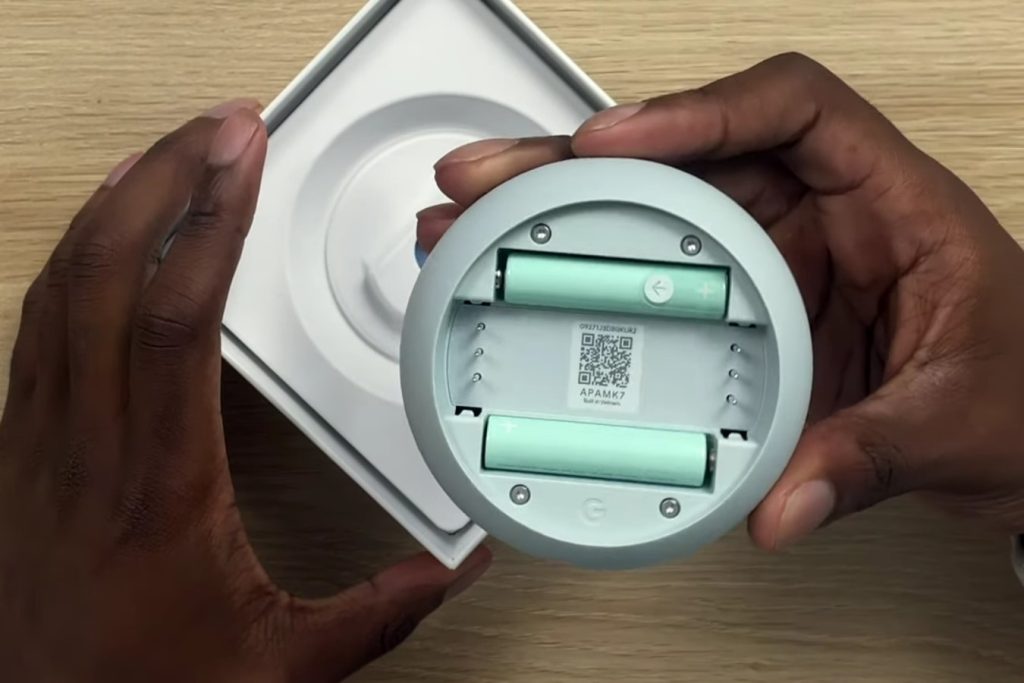
Alright, let's cut to the chase. The Nest thermostat does indeed contain batteries. But before you rush to your junk drawer looking for AAs, hold your horses! These aren't the kind of batteries you typically swap out every few months.
Think of it less like your flashlight and more like your smartphone. Does your smartphone have a battery? Absolutely! Do you change it regularly? Probably not, unless it's an emergency or it's reached the end of its life. That's a good mental model for the Nest.
These are internal, rechargeable lithium-ion batteries. And that’s where the coolness really begins!
Where Does the Real Power Come From?
So, if it has batteries, why aren't we constantly changing them? This is the clever bit. For the vast majority of its operation, your Nest thermostat is like a lamp plugged into the wall. It gets its primary power supply directly from your home's HVAC (heating, ventilation, and air conditioning) system.

Specifically, it draws a low-voltage trickle of electricity through the wires connecting it to your furnace or air handler. This is often done via a special wire called the "C-wire" (common wire), which is specifically designed to provide continuous power to devices like smart thermostats.
So, the HVAC system is the main juice bar, keeping your Nest humming along, connected to Wi-Fi, learning your habits, and generally being the smarty-pants it is.
So, What Are the Batteries For Then?
Ah, now we're getting to the really fun part! If it’s mostly wall-powered, why bother with internal batteries at all? This is where Nest’s engineering truly shines, making it incredibly resilient and user-friendly.
1. The Startup Surge
Imagine you're setting up your Nest for the first time. It needs power to boot up, connect to Wi-Fi, and guide you through the initial setup process. What if your HVAC system isn't even fully connected yet, or you haven't turned the power back on? The internal battery steps in, giving it enough juice to get going.
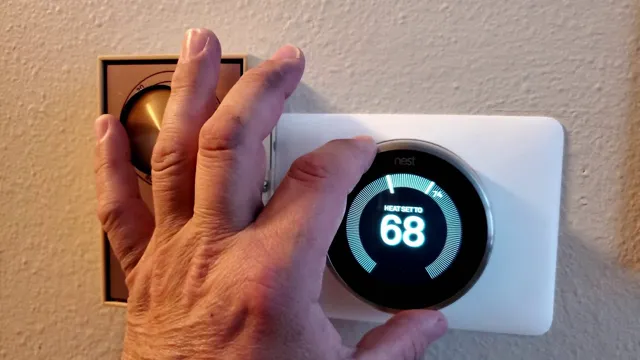
It’s like the small, dedicated coin battery in some fancy watches that also get kinetic energy from movement. It's there for those moments when the main power isn't quite ready.
2. Bridging the Gaps: The C-Wire Conundrum
Here’s a common scenario: not all homes have a C-wire. Older homes, especially, might lack this dedicated power wire. This is where the Nest’s batteries become absolutely crucial!
When there's no C-wire, the Nest employs a clever trick often called "power stealing" or "trickle charging." It essentially sips small amounts of power from the heating or cooling wires whenever your system isn’t actively running. It’s like a tiny, polite vampire, only taking a little bit when nobody's looking.
However, this "stolen" power might not always be enough for a power-hungry device that needs to run Wi-Fi, a display, and internal processing 24/7. That's where the rechargeable battery acts as a crucial buffer. It tops up when power is available and discharges when it's needed, keeping your Nest awake and alert even when the "stolen" power is intermittent or insufficient.
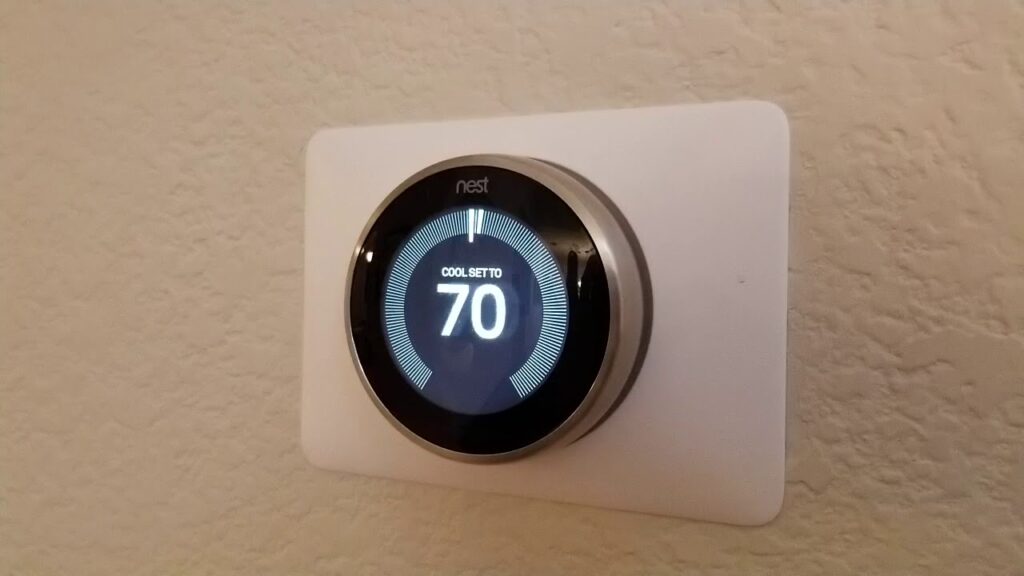
Without these batteries, a Nest without a C-wire would constantly be shutting down and rebooting, which would be incredibly annoying and render it pretty useless.
3. Wi-Fi and Intelligence During Fluctuations
Even with a C-wire, power isn't always perfectly stable. Brief power flickers or minor inconsistencies can happen. The internal battery acts as a seamless backup, keeping your Nest connected to Wi-Fi and fully functional during these fleeting moments.
Think of it as a tiny, built-in Uninterruptible Power Supply (UPS) for your thermostat. It ensures your thermostat’s brain stays online, so it doesn't forget your schedule or lose connection just because the lights blinked.
The Coolness Factor: Why This Design Rocks
So, why is all this battery talk so cool? It boils down to a few key points:
First, it means less hassle for you. You’re not replacing disposable batteries every few months, which is not only convenient but also better for the environment. It’s truly a set it and forget it kind of experience, which is exactly what you want from a smart home device.
Second, it showcases smart engineering. Nest isn't just slapping a display on your wall; it's a miniature computer designed to be robust and adaptable to various home wiring setups. The battery system is a testament to its thoughtful design, ensuring reliability even in less-than-ideal conditions.
Third, it allows for continuous learning and connectivity. The Nest thrives on being online and constantly monitoring your environment and habits. The battery backup ensures it can do this reliably, even if its main power source isn't always perfectly steady.
A Little Nugget of Smart Design
So, the next time you glance at your Nest, give it a silent nod of appreciation. It's not just a fancy dial; it's a meticulously designed piece of tech that cleverly manages its power supply. It seamlessly blends direct power with intelligent battery backup, ensuring it's always ready to keep your home just the way you like it.
It’s a small detail, perhaps, but one that truly contributes to the magic and reliability of the Nest thermostat. And isn't that just a little bit fascinating?