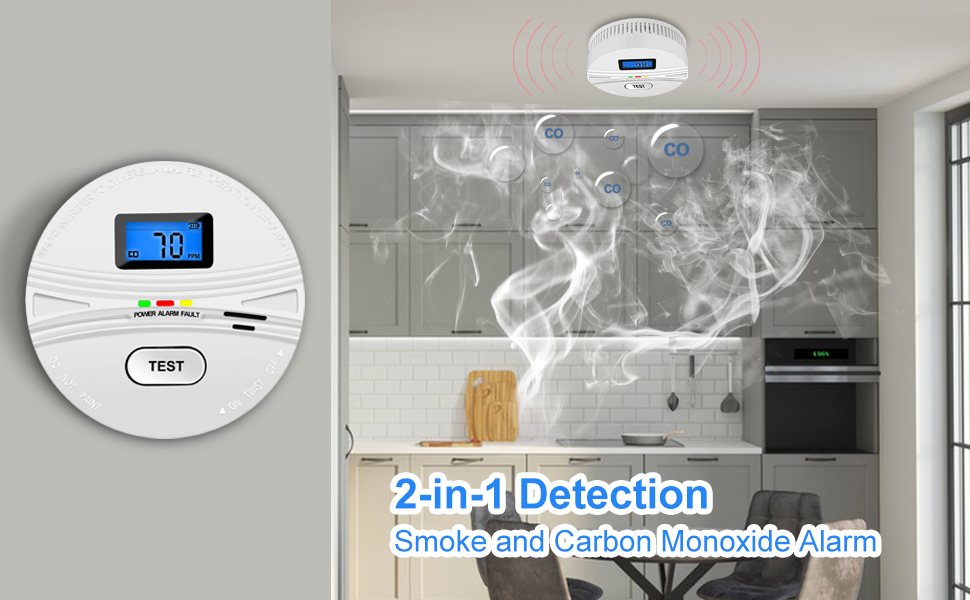
Does Smoke Detectors Detect Carbon Monoxide
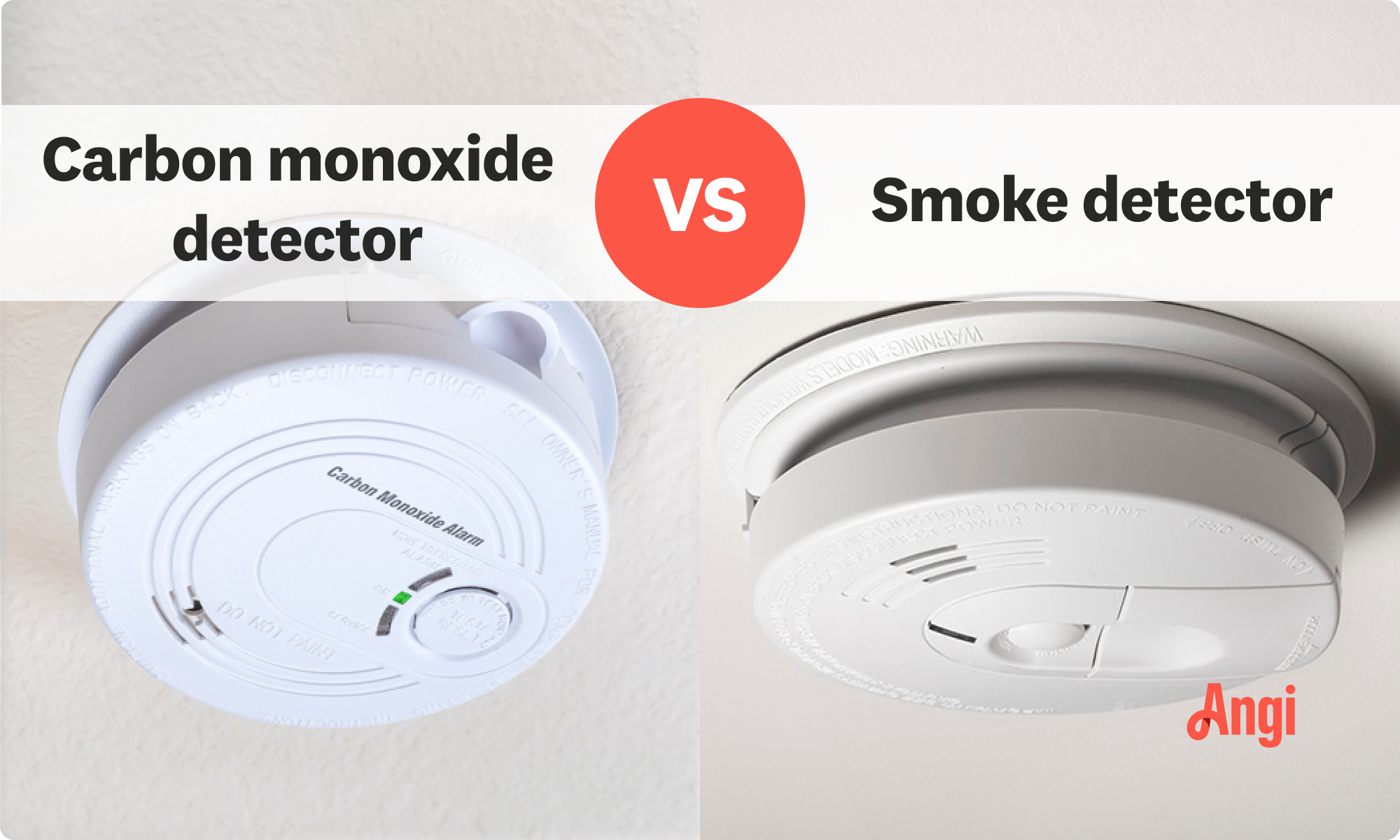
Ah, the trusty smoke detector. It’s that little white disc on your ceiling, always there, silently judging your burnt toast. We’ve all been there, right? The kitchen fills with a tiny wisp of smoke from a forgotten bagel, and suddenly, BEEP BEEP BEEP! It's a piercing, urgent symphony that sends pets scattering and hearts racing. Our hero has arrived, valiantly alerting us to the microscopic remnants of our cooking ambitions.
But pause for a moment. As you wave a dishtowel wildly at the offending device, frantically trying to silence its ear-splitting lecture, has a thought ever crossed your mind? A little whisper in the back of your brain, perhaps? Something along the lines of, "Well, it handles smoke, so it probably handles… everything else, too, right?"
And by "everything else," of course, we’re talking about the silent, invisible menace that sometimes lurks: carbon monoxide. It’s the ninja gas. Odorless, colorless, utterly undetectable by our human senses. It’s the kind of thing that sounds like it should definitely have a flashing light and a loud alarm dedicated to it, especially if you’re already rocking a smoke detector. Because, come on, a detector's a detector, right? They're all just... safety alarms?
Must Read
This is where my "unpopular opinion" (or maybe just a common, quiet realization) comes in. You see, for the longest time, I sort of figured my little smoke-sensing friend was a multi-talented superhero. A jack-of-all-trades, a master of none, but still pretty darn good at detecting all the bad things floating around my air. My ceiling-mounted guardian, ready for any atmospheric threat. Sounds logical, doesn't it?
Then came the moment of enlightenment. A casual chat, a passing comment, and suddenly, the ceiling fell out from under my neatly organized safety beliefs. My trusty smoke detector? It only detects smoke. Like, really, truly, only smoke. Not carbon monoxide. Not the smell of your teenager’s questionable laundry. Just the visible particles of combustion.

It’s like asking your coffee maker to also toast your bread. Sure, they both make breakfast, but they have very different skill sets.
Imagine your smoke detector as a highly specialized guard dog. This dog is trained to bark like crazy if it sees fire or smoke. It’s excellent at that job. Best in class! But then you introduce a new, invisible threat, like a mischievous ghost. Our guard dog? He just blinks. He can't see ghosts. He can't smell ghosts. He's a smoke dog, not a ghost dog.
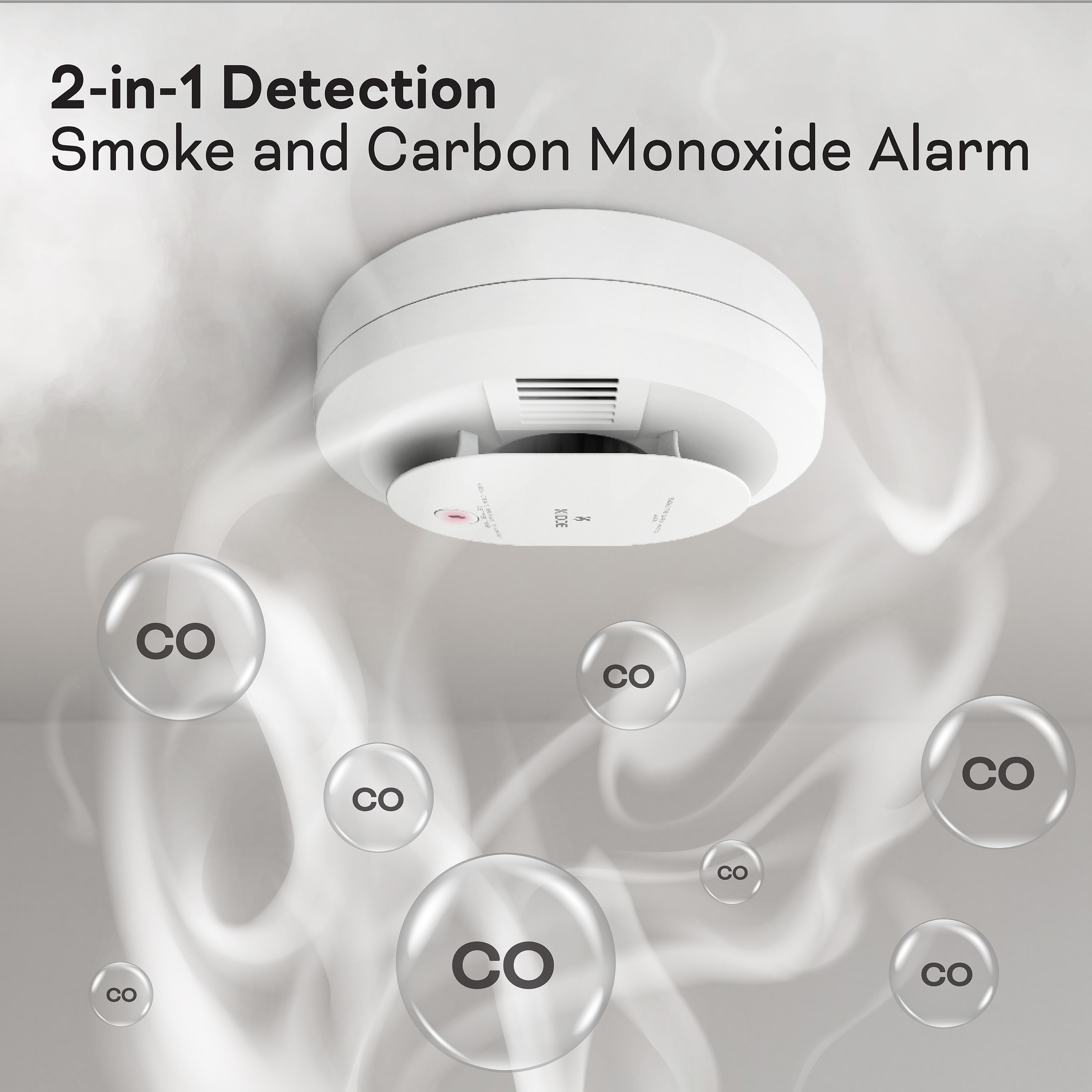
And that, my friends, is where the carbon monoxide detector steps in. This isn't just a fancy smoke alarm. Oh no. This is a whole different breed of alarm. It’s the silent guardian, the invisible threat specialist. It’s specifically designed to sniff out that sneaky CO gas that you can't see, smell, or taste. It's the ghost dog, if you will.
So, when you hear people talk about "getting a detector" for their home, it’s not always a one-size-fits-all situation. It’s often two distinct, equally important devices. One for the obvious, fiery drama of smoke, and another for the insidious, silent creep of carbon monoxide.

It’s a revelation that, for me, brought a chuckle and a slight feeling of "Well, I guess I should have known that, but also, how could I have known that?" We assume our gadgets are more versatile than they often are. We want our smartphone to also make us coffee, after all.
So, next time you’re contemplating home safety, remember the distinction. Your beautiful, loud, bagel-protesting smoke detector is doing its job perfectly. But for the stealthy threat of carbon monoxide, you need a different hero altogether. They’re a team, not a single player. And admitting that they’re separate entities? Turns out, it's not so unpopular an opinion after all. Just a bit of a lightbulb moment for many of us!