Does Shading An Ac Unit Help

Hey there, friend! Grab a coffee, pull up a chair. We need to talk about something that's probably crossed your mind on a scorching summer day. You know that moment, right? You're sweating buckets, the AC is humming away, and you look outside at your trusty (or maybe not-so-trusty) outdoor unit. And then it hits you: "Man, it's baking out there! What if I just... popped a little umbrella over my AC unit? Or maybe planted a nice, leafy tree to give it some much-needed shade?" Sound familiar? Of course, it does! We've all been there, plotting elaborate shade schemes for our hard-working condenser.
It just makes sense, doesn't it? Like, intuitively? We shade ourselves from the sun to stay cool. We put awnings over our windows to keep the house from turning into a pizza oven. So, by that logic, shading the big metal box that's supposed to be making things cool inside... well, it just has to help, right? You picture that poor AC unit, just cooking in the sun, probably panting and sweating its own little mechanical beads of sweat. You want to be its hero! You want to give it a break, a little slice of shade heaven. But is that impulse, that beautiful, well-intentioned thought, actually... true?
The "Why" We Think It Helps
Okay, so let's put on our little science hats for a sec, but don't worry, no pop quizzes! At its core, your AC unit isn't actually creating cool air. Mind-blowing, I know! What it's really doing is playing a sophisticated game of heat transfer. It's basically a heat pump, but in reverse. It grabs all the yucky, warm air from inside your house, sucks out the heat, and then — poof! — kicks that heat out outside through the big fan on your outdoor unit, the condenser. So, the hotter it is outside, the harder that outdoor unit has to work to dump all that indoor heat into already scorching outside air. See why we think shade helps now?
Must Read
Here's where it gets a little tricky, and where our intuition might lead us slightly astray. While it's true that if the ambient air temperature around your condenser is lower, the unit might work a smidge more efficiently (because it's easier to transfer heat to cooler air), that's often not the biggest factor. We're talking about direct sunlight beating down on the actual metal casing of the unit itself. Think about your car after it's been parked in the sun all day versus parked in the shade. The air temperature might be similar, but the surfaces are drastically different, right? Same principle here, to an extent.
The Big "But": Airflow!
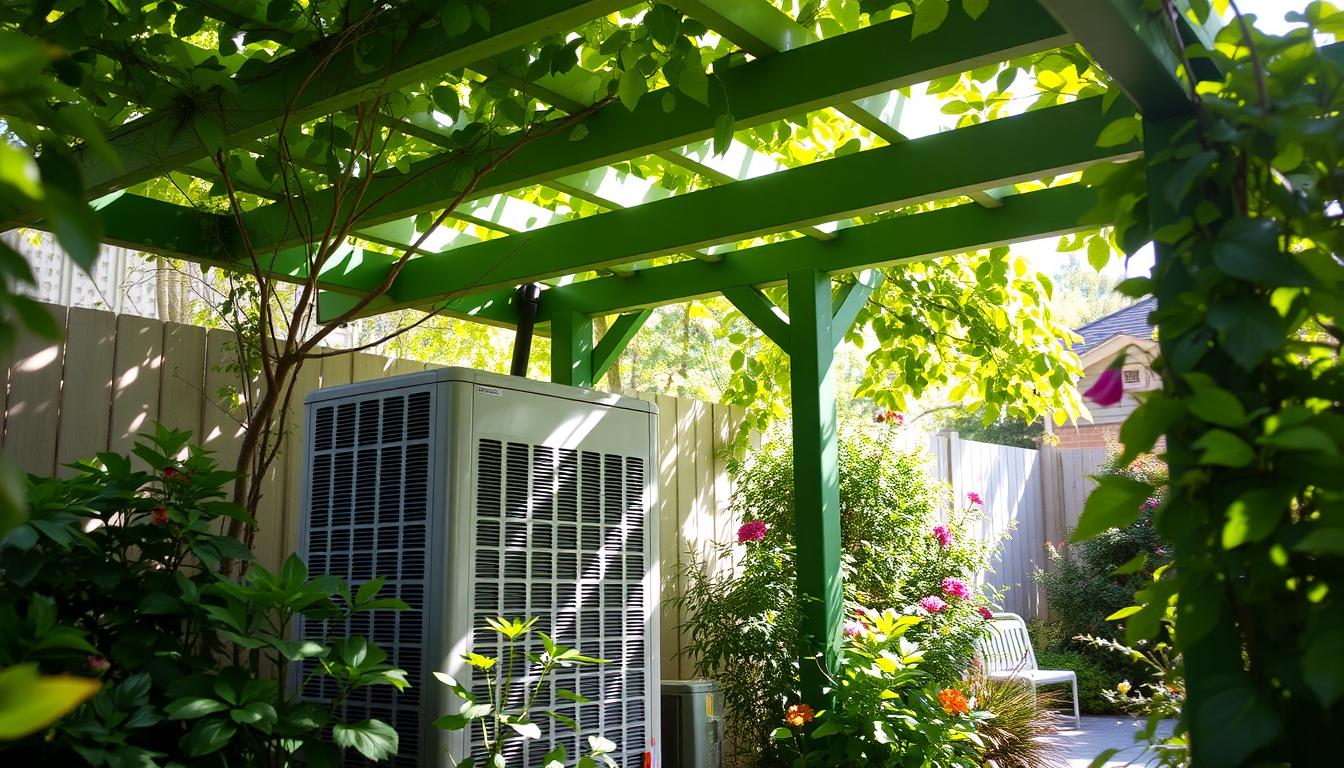
So, shading the unit does sound good, in theory. If the actual metal housing of the AC unit isn't absorbing direct sunlight, it might run a tiny bit cooler internally. And a cooler component is generally a happier component, right? But — and this is a big, important 'but' — you've got to be super careful about how you provide that shade. This is where things can go from 'helpful hero' to 'accidental villain' in a hurry. Because while you're trying to block the sun, you might inadvertently be blocking something far more critical: airflow.
Your outdoor AC unit, that big, often noisy box, relies heavily on one thing: a constant, unrestricted supply of air. That massive fan on top? It's not just for show! It's pulling in air from all sides (usually) and expelling heat upwards. If you plant a dense bush too close, or build a cute little wooden screen that's too restrictive, you're essentially suffocating your AC unit. Imagine trying to run a marathon with a pillow over your face. Not ideal, right? The unit has to work way harder to pull in the air it needs, which can actually decrease efficiency, increase wear and tear, and sometimes even cause it to overheat. Oops! So, while you might be shading it, you're actually making its job much tougher.

So, What Actually Helps?
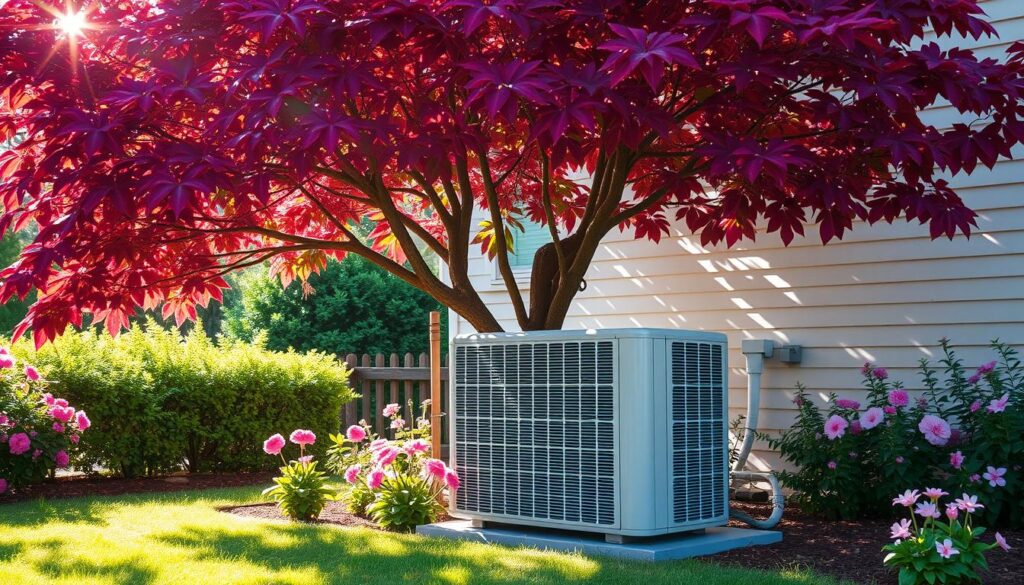
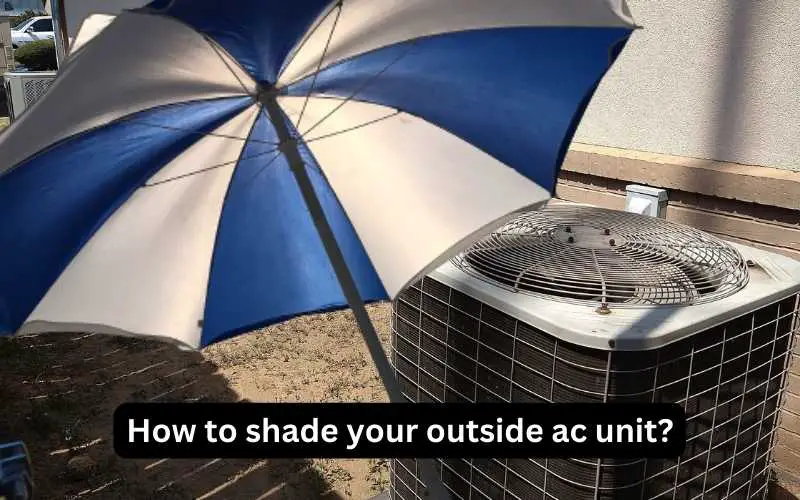
Alright, so if a strategically placed beach umbrella is out, what can you do? Don't despair! There are definitely ways to be your AC unit's best friend. First, keep it clean. Clear away any leaves, dirt, or debris that might be clogging the coils. Think of it as giving your AC a nice, refreshing bath. Second, ensure there's plenty of clearance around it. We're talking at least 2-3 feet on all sides for optimal airflow. Prune those bushes! Third, and this is a big one: shade your house, not necessarily the AC unit itself. Planting trees that shade the sunny sides of your home or installing awnings over windows will reduce the heat load inside your house, meaning your AC doesn't have to work as hard to begin with. It's like preventing the fire rather than just trying to put it out.
The Verdict
So, does shading an AC unit help? The short, friendly answer is: maybe a tiny bit, if done very carefully, but it's often more trouble than it's worth and can easily backfire. The biggest benefit comes from ensuring proper airflow and reducing the overall heat gain of your home. So next time you're eyeing that sunny AC unit with a worried frown, remember the airflow! Give it space, keep it clean, and focus your shading efforts on your windows and walls. Your AC will thank you, your wallet will thank you, and you'll be enjoying that beautifully cool air inside without inadvertently making your trusty unit work overtime. Now, about that refill on our coffee...