
Does Pewter Have Lead In It

Have you ever found yourself admiring a beautiful, antique-looking piece of pewter – maybe a charming tankard at a flea market, a delicate figurine on a grandparent's mantel, or a stunning serving dish at a fancy dinner? And then, just as quickly, did a little voice in the back of your head whisper, "Wait a second... doesn't pewter have lead in it?"
Oh, trust me, you're not alone! It's one of those classic questions that pops up when you delve into the fascinating world of vintage finds and traditional craftsmanship. But here's the delightful news: the answer isn't nearly as scary as you might think! In fact, it's a story of evolution, innovation, and a whole lot of creative artistry.
The Pewter of Yesteryear: A Bit of a Lead Story
Let's hop into our imaginary time machine and zip back a few centuries. In the olden days, pewter was a super popular metal. Why? Because it was affordable, durable, and could be molded into all sorts of useful and beautiful items, from plates and tankards to candlesticks and decorative pieces.
Must Read
Historically, pewter was an alloy made primarily of tin, but it often included other metals to give it different properties. And yes, for a very long time, lead was a common ingredient. Adding lead made the pewter softer, easier to work with, and lowered its melting point, which was a big plus for artisans of the era.
So, if you're holding a piece of pewter that's genuinely ancient – we're talking pre-1900s, especially pre-18th century – there's a good chance it contains lead. This is why you often hear warnings about using very old pewter for food or drink, as lead can leach into edibles over time. It's a valid concern for historical pieces!
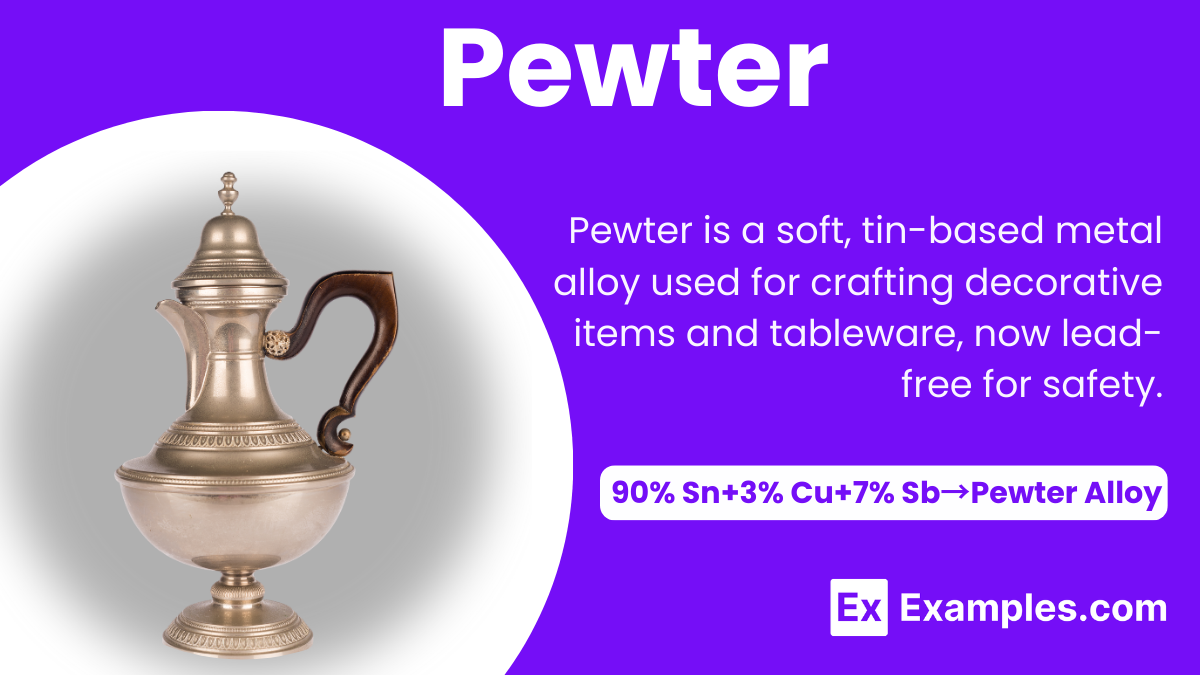
Modern Pewter: Shining Bright, Lead-Free!
But here's where the story gets really good, and where most of our modern-day pewter comes into play. As science advanced and we learned more about the health implications of lead, manufacturers started making some very smart changes.
Today, if you buy a piece of pewter – whether it's a stylish picture frame, a decorative bowl, a charming jewelry item, or even modern dinnerware – you can breathe a huge sigh of relief. Modern pewter is virtually always lead-free!
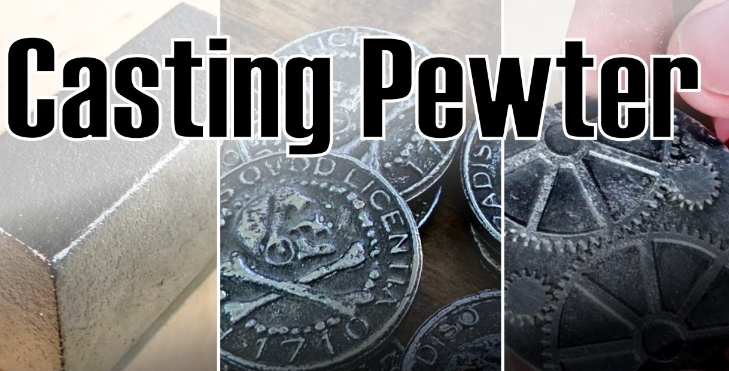
The standard composition for contemporary pewter is typically around 90-97% tin, with the remaining percentage made up of other metals like copper (which adds strength) and antimony (which helps with casting and hardness). This mix is often called "Britannia metal" or "fine pewter."
Isn't that fantastic? It means you can enjoy the classic luster and beautiful malleability of pewter without any of the old lead worries. So go ahead, admire that shiny new goblet, it's safe!
How Can You Tell? A Little Detective Work!
Okay, so what if you're at a garage sale and eyeing a piece that looks old, but you're not sure how old? A little bit of savvy can go a long way!

- Look for Markings: Many modern pewter pieces are clearly marked with terms like "lead-free," "pewter," "Britannia metal," or even a percentage of tin. Reputable manufacturers want you to know their products are safe!
- The "Bend" Test (Use Caution!): Older, leaded pewter tends to be softer and more pliable. If you can very gently bend a non-essential part (like a handle on a mug, if it feels appropriate and won't damage it), and it feels quite soft, it might be older leaded pewter. But honestly, this is better left to experts!
- The "Ping" Test: Gently tap the item. Lead-free pewter often has a slightly higher "ring" or "ping" to it than softer, leaded pewter, which tends to sound duller. Again, not foolproof, but a clue!
- When in Doubt, Decorate: If you have a beautiful antique pewter piece and you're unsure of its age or composition, the safest bet is to enjoy it as a decorative item. It makes a stunning centerpiece, a unique collectible, or a conversation starter without needing to touch your food!
Why This Makes Life More Fun!
Isn't it amazing how a little bit of knowledge can open up a whole new world? Understanding the evolution of materials like pewter isn't just about safety; it's about appreciating history, craftsmanship, and human ingenuity!
Now, when you spot a piece of pewter, you won't just see a shiny object. You'll see a story. You'll consider its journey through time, the hands that shaped it, and the materials that brought it to life. This kind of curiosity transforms everyday objects into windows into the past and future.

It makes antique shopping an even grander adventure, helps you make informed choices for your home, and connects you more deeply to the world around you. It's about being an educated consumer and an enthusiastic admirer of art and history.
Embrace the Sparkle!
So, the next time the question of "lead in pewter" crosses your mind, remember this: while historic pieces might carry a lead legacy, the vast majority of pewter you encounter today is made with your safety and enjoyment in mind. It's a testament to how we learn, adapt, and continually improve the things we create.
Go forth, explore those antique shops, admire those beautiful pieces, and feel confident in the vibrant world of modern, lead-free pewter! Let your curiosity guide you, and keep uncovering the fascinating stories hidden in plain sight. After all, life is much more fun when we're always learning and appreciating the wonders around us, isn't it?