Does My Smoke Alarm Detect Carbon Monoxide
Ever found yourself staring up at that trusty little disc on your ceiling, wondering if it's got all your bases covered? We're talking about your smoke alarm, of course! It’s one of those household essentials we all have, but few of us truly understand its superpowers. There's a common, super useful question that pops up a lot: "Does my smoke alarm also detect carbon monoxide?" It’s a great question because both are invisible dangers, and both alarms are designed to keep us safe. Let's unravel this mystery together and give you some peace of mind!
First, let's talk about the OG protector: the smoke alarm. Its primary job, as its name suggests, is to detect smoke, which is an early indicator of fire. These alarms use different technologies – some detect tiny smoke particles (ionization alarms), while others "see" smoke that blocks a light beam (photoelectric alarms). Their purpose is simple yet vital: to give you and your family precious extra minutes to escape a fire. They scream, they flash, and they get your attention when every second counts. Without them, fires can spread rapidly, endangering lives and property before anyone is even aware of the danger.
Now, let's introduce the quiet, cunning villain: carbon monoxide (CO). Often called the "silent killer," carbon monoxide is an invisible, odorless, and tasteless gas. It’s produced by incomplete combustion in everyday appliances like furnaces, gas stoves, water heaters, and even car exhaust. When inhaled, CO replaces oxygen in your blood, leading to dizziness, nausea, confusion, and eventually, unconsciousness and death. Because it has no warning signs that our human senses can detect, a specialized alarm is absolutely critical. This is where a carbon monoxide alarm steps in. It's designed with a specific sensor to detect CO levels in the air and alert you before they become dangerous.
Must Read
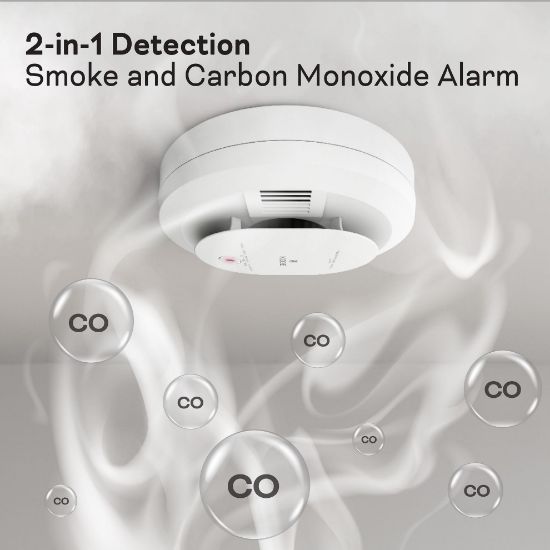
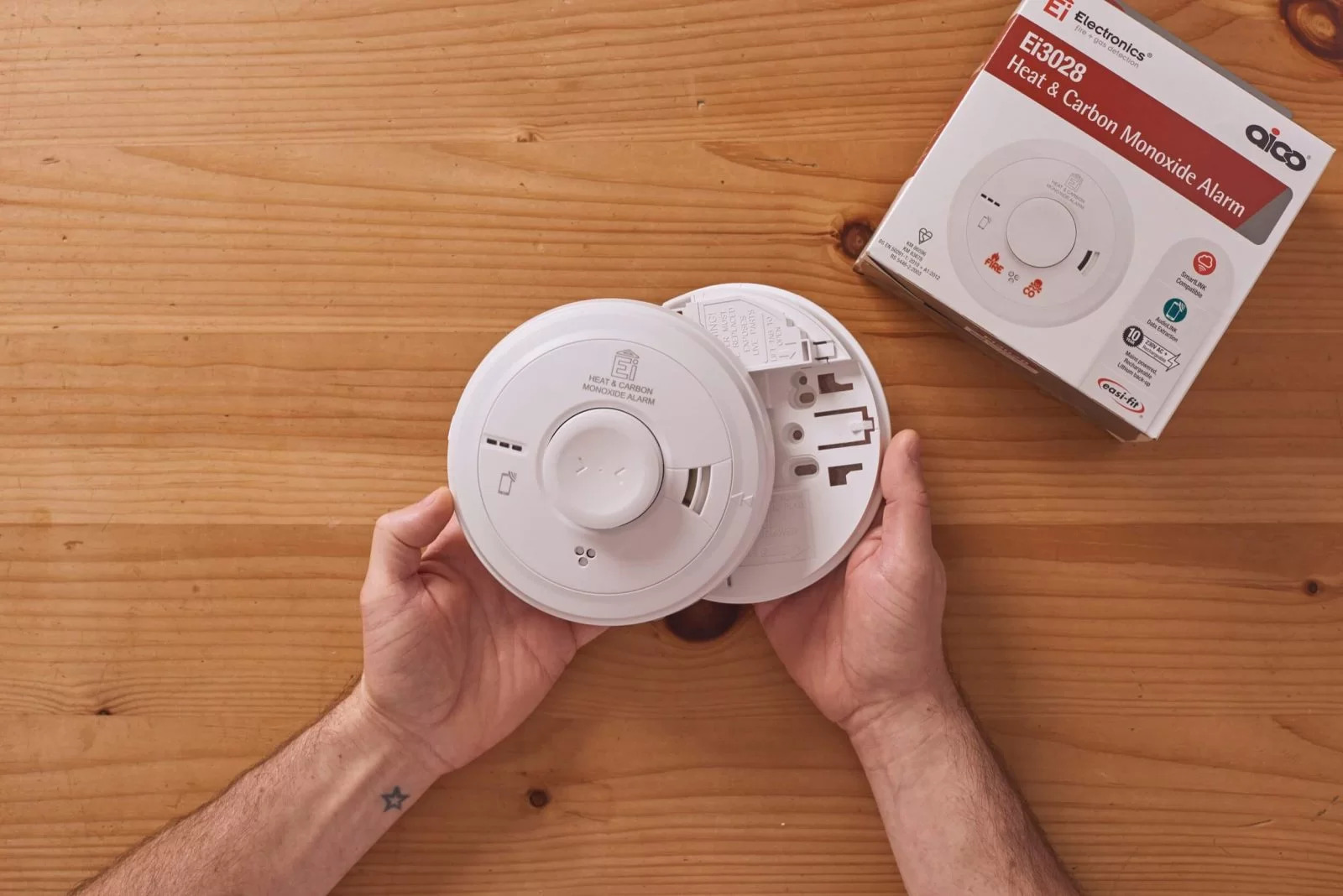
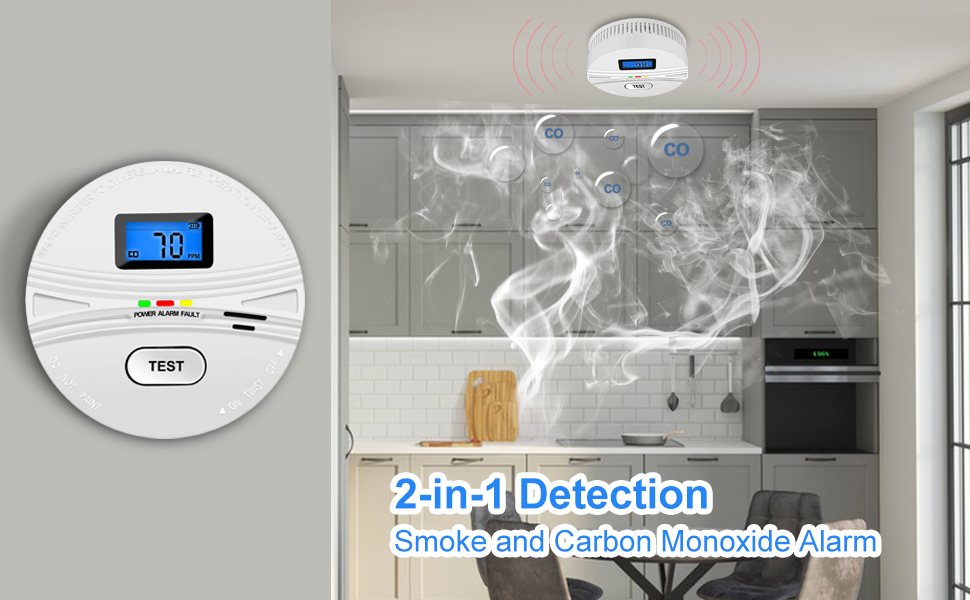
So, back to our burning question: Does your smoke alarm detect carbon monoxide? For the vast majority of standard, standalone smoke alarms, the answer is a resounding "No." They are equipped with different sensors designed to detect different threats. Think of it like this: a smoke alarm is trained to spot smoke, while a carbon monoxide alarm is trained to sniff out that invisible CO gas. They are two different watchdogs for two different dangers. However, there's a fantastic solution on the market: combination smoke and carbon monoxide alarms. These clever devices house both types of sensors in one unit, offering dual protection. If you have one of these, then yes, you're covered for both!
The ultimate takeaway? For the safest home, you need both types of protection. Even if you have a combination unit, it's wise to ensure you have enough coverage. Place smoke alarms on every level of your home, inside and outside sleeping areas. For carbon monoxide alarms, place them on every level, especially near sleeping areas and anywhere a fuel-burning appliance is present. Regularly test both types of alarms (most have a test button!) and replace batteries annually, or the entire unit according to the manufacturer's recommendations (usually every 7-10 years for smoke alarms, and 5-7 years for CO alarms). Staying informed and having the right alarms in place is the best way to ensure your home is a safe and happy haven. It’s a small effort for a huge return: your family's safety and your peace of mind!