
Does Homeowners Insurance Cover Theft From Car
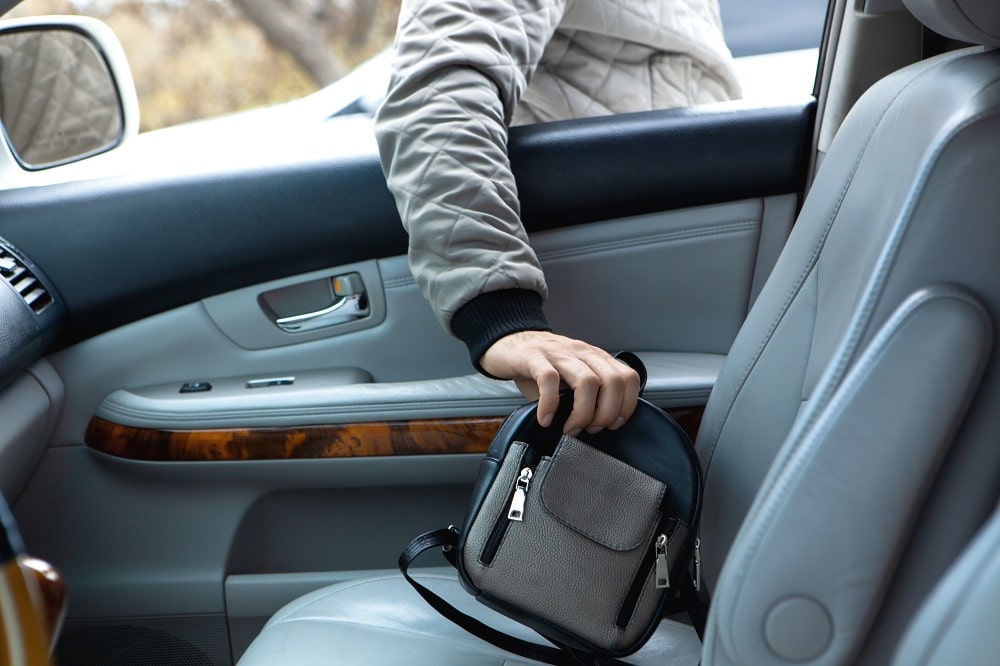
Imagine this: you've had a fantastic day, maybe a quick shopping trip or a fun outing. You get back to your car, and bam! A window is smashed, and your favorite bag, that new gadget, or even your trusty laptop is gone. It's a horrible feeling, a real gut punch.
In that moment of frustration, your mind probably races. You think about contacting the police, calling your auto insurance. But what if I told you there’s a surprising twist, a hidden helper you might not even consider? It's something that often flies under the radar, and knowing about it can feel like uncovering a secret superpower for your possessions.
This little secret is what makes understanding insurance less of a chore and more of a fascinating discovery. We're talking about whether your homeowners insurance might actually step in to cover items stolen from your car. Yes, you heard that right! It sounds a bit like magic, doesn't it?
Must Read
Your Stuff Travels, So Does Its Protection!
Most of us think of homeowners insurance as strictly for, well, our home. It covers the roof over your head, the walls, and everything inside when it’s safely tucked away. But here’s the cool part, the unexpected plot twist: your policy often extends its protective bubble beyond your four walls.
It’s all about something called personal property coverage. This isn't just for your couch or your kitchen appliances. It's designed to protect your personal belongings, almost wherever they are. Think of it as a loyal sidekick for your possessions, following them on their adventures.
So, when your laptop gets snatched from your car, or your suitcase disappears from the trunk while you're parked at the mall, your personal property coverage might just spring into action. It’s like discovering your insurance policy has a secret identity, ready to help when you least expect it.
This really is the "special" part of homeowners insurance that many people overlook. It’s not just about a house; it’s about your stuff. And your stuff, being the adventurous type, doesn't always stay put. It travels with you, lives in your car, goes to work, or accompanies you on vacation.
The Mysterious Case of the Wandering Coverage
Why is this so surprising? Because our brains naturally compartmentalize. Car issues go to car insurance. House issues go to home insurance. But the world of insurance, much like a good mystery novel, often has unexpected connections and overlapping plots.
The key here is that your personal items are considered yours, regardless of where they are temporarily located. They are not part of the car itself. This distinction is crucial, and it's what opens the door for your homeowners policy to lend a hand.

This coverage is typically a percentage of your total personal property limit. So, if you have $100,000 in personal property coverage for your home, you might have a portion of that—say, 10%—available for items stolen away from the premises. It’s a handy little safety net.
But like any good story, there are always a few caveats, a few twists and turns in the plot that you need to be aware of. These aren't roadblocks, just details that make the narrative more complete and help you navigate the insurance landscape like a pro.
Understanding these nuances transforms insurance from a dry topic into an empowering tool. It's about knowing your rights and protections.
The Catch: Deductibles and Limits
Before you get too excited and start leaving valuables in your car willy-nilly (please don't!), there are a few important things to remember. The first is your deductible. This is the amount you have to pay out of pocket before your insurance kicks in.
If your deductible is $1,000, and someone steals a $500 jacket from your car, it might not make sense to file a claim. You’d pay more than the jacket is worth! So, the value of the stolen items needs to exceed your deductible to make a claim worthwhile.
Another important detail involves special limits. Some high-value items, like jewelry, art, or firearms, often have lower sub-limits when stolen, especially when they're away from home. For instance, your policy might only cover up to $1,000 for jewelry theft, even if you have a much higher overall personal property limit.

This is why it's so "entertaining" to dive into your policy details. It's like finding hidden treasure maps within your documents, revealing exactly what's protected and to what extent. It gives you a sense of control and preparedness.
What about the difference between Actual Cash Value (ACV) and Replacement Cost Value (RCV)? ACV pays out based on the depreciated value of the item, like what a used laptop would sell for today. RCV, on the other hand, pays enough to buy a brand-new replacement.
Most policies offer RCV, which is often preferred, but it's another detail worth confirming in your specific policy. Knowing this can greatly impact your recovery after a theft, making a big difference in getting back on your feet.
Where Auto Insurance Comes In (The Other Side of the Coin)
So, if homeowners insurance covers your stolen belongings, what does auto insurance do? Well, your auto insurance, specifically comprehensive coverage, is there for the car itself. If your window is smashed, or the car stereo (that's permanently installed) is ripped out, that's where your auto policy steps up.
It's important to understand the distinction: homeowners for your stuff, auto for your car and its permanently attached parts. This clarity helps you know exactly who to call and for what, making the post-theft process less confusing and stressful.
It’s a bit like having two different superheroes with specialized powers. One protects your personal gadgets, clothes, and bags, while the other defends your vehicle. They work together, but have different areas of expertise.

When Disaster Strikes: What to Do
If you ever find yourself in this unfortunate situation, remember these simple steps. They’re like your personal action plan to navigate the aftermath of a theft, ensuring you get the most out of your insurance policies.
First and foremost, file a police report immediately. This is crucial for any insurance claim. Your insurer will need this report number to process your claim. It’s the official record of the incident, a must-have for proof.
Next, document everything. Take photos of the broken window, make a detailed list of every stolen item, and try to recall model numbers, serial numbers, and approximate values. The more information you have, the smoother the claim process will be.
Then, contact your homeowners insurance company. Explain what happened, highlighting that personal items were stolen from your vehicle. They will guide you through the claims process for your personal property.
If your car itself was damaged, like a broken window or a stolen built-in stereo, also contact your auto insurance company. You might end up filing two separate claims, one with each insurer, depending on the specifics of what was stolen and damaged.
Unlocking Your Policy's Full Potential
The "entertainment" in all of this comes from the sheer satisfaction of being informed. It's about not being caught off guard, understanding the hidden powers of your policies, and feeling prepared for whatever life throws at you. It’s like solving a puzzle, and you get to be the detective.

So, how can you become a master of your own insurance destiny? First, review your current homeowners insurance policy. Seriously, pull it out (or log in online) and look for the sections on personal property coverage and off-premises theft. It’s often surprisingly clear once you know what to look for.
Second, consider creating an inventory of your valuable possessions. Take pictures, jot down serial numbers, and keep receipts. This makes filing a claim incredibly easier and faster, turning a potential headache into a manageable task.
Finally, and perhaps most importantly, talk to your insurance agent. They are the experts, the guides in this insurance adventure. Ask them specific questions: "Does my personal property coverage extend to items stolen from my car? What's my deductible for this? Are there any special limits I should know about?"
Their answers will give you a clear picture of your exact coverage, empowering you with knowledge. It’s like getting a personalized tour of your protection plan, highlighting all its features and benefits.
Knowing that your homeowners insurance can be a backup for theft from your car is a truly valuable piece of information. It's a reminder that insurance policies are often more comprehensive and interconnected than we initially imagine. It's not just about bricks and mortar; it's about safeguarding your peace of mind and your belongings, wherever they may roam.
So, go on, be curious! Dive into your policy, ask those questions, and discover the full scope of your coverage. You might just find that your homeowners policy is an even more powerful protector than you ever realized, offering a surprising layer of security for your stuff, even when it's out on the road with you.