
Does Daylight Savings Actually Save Energy
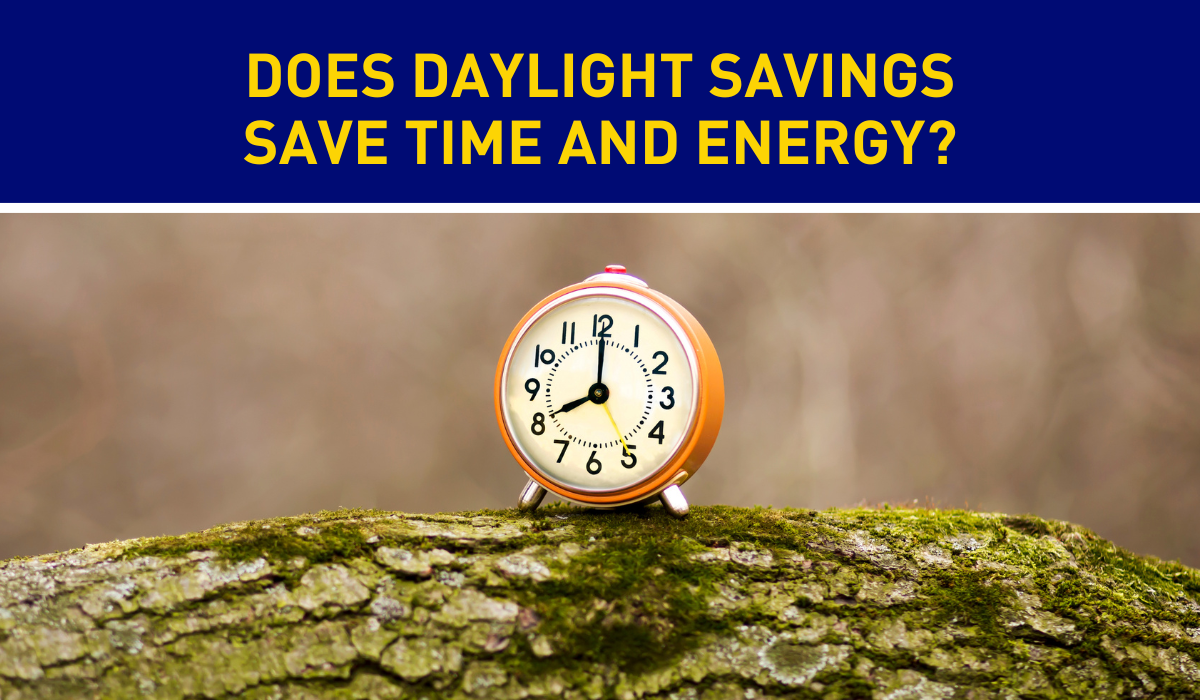
Ah, the annual ritual! Twice a year, we all collectively groan, cheer, or simply shrug as we adjust our clocks. Most of us probably grew up with the understanding that Daylight Saving Time (DST) was all about saving energy, right?
The idea is beautifully simple: shift an hour of daylight from the early morning to the evening. This way, we use less artificial light when the sun is out longer in the evening. It sounds like a no-brainer for trimming those electricity bills.
The Sunny Origin Story (Kind Of)
The concept isn't new. Some credit Benjamin Franklin with a witty essay suggesting Parisians could save candles by waking up earlier. However, it was primarily during World War I that countries like Germany and Britain widely adopted it.
Must Read
The main goal then was to conserve coal used for electricity and heating during wartime. The United States followed suit, thinking that shifting daylight would help conserve resources for the war effort.
After the wars, many places kept it. The belief in its energy-saving superpowers became deeply ingrained. For decades, it was just "common sense."
The Big Reveal: Does It Actually Save Energy?
This is where our story takes a surprising twist, like finding out your favorite superhero actually prefers doing laundry to fighting villains. For many years, studies have poked and prodded at this very question. And the answer? Well, it's complicated, and often, not what you'd expect.
A significant chunk of research suggests that DST might not save energy at all. In fact, some studies even point to a slight increase in energy consumption. This news can feel a bit like realizing you've been putting your socks on inside out your whole life.
"The original rationale was energy savings, but that doesn't seem to hold true anymore."
The Plot Thickens: Why Not?
Think about it. While we might use less electricity for lights in the evening, what happens in the morning? That extra hour of darkness means many of us are flipping on lights earlier. We might also crank up the heat in those chilly, pre-dawn hours.
Our modern lives are also very different from those of a century ago. Back then, lighting was a much larger slice of the energy pie. Today, we have so many other energy guzzlers.
Consider your air conditioning. When the sun hangs around later into the evening, many homes actually start cooling earlier or run their AC longer. All those extra hours of daylight can mean extra hours of powerful sunshine beating down, making you reach for the thermostat.
And what about entertainment? More daylight in the evening might tempt us outdoors, but it also means more hours awake at home. We might be watching TV, charging devices, or playing video games for longer periods before heading to bed.

One notable study from Indiana in 2008 looked at electricity consumption before and after the state adopted DST statewide. The findings were quite eye-opening. They estimated that DST led to a 1% increase in residential electricity demand.
That might sound small, but for an entire state, it translates into millions of dollars. The researchers attributed this largely to increased demand for heating and cooling.
The Human Side of the Clock Shift
Beyond the kWh, there's the human factor. That "spring forward" can throw our internal clocks into a bit of a tizzy. Many people report feeling groggy and out of sorts for days.
Studies have even linked the time change to a slight increase in traffic accidents in the days following the spring forward. Our bodies truly crave routine, and messing with that can have surprising ripple effects.
However, it's not all doom and gloom. Many people absolutely adore the feeling of that extra hour of evening sunlight. It encourages outdoor activities, leisurely walks, and extended backyard barbecues.

For some, it's a mental boost, a signal that summer is truly on its way. That extra light can make evenings feel longer and more productive, even if our energy meters tell a different story.
"It's about the psychological boost, the feeling of endless summer evenings, even if the energy numbers don't quite add up."
Retail businesses often love DST too. More daylight means people are out and about later. This can translate into more evening shopping, dining out, and generally stimulating the local economy.
So, while the energy-saving argument might be on shaky ground, DST clearly has other profound impacts. It reshapes our social rhythms, our leisure time, and even our wallets in ways we might not always consider.
The Quirky Tradition We Keep
So, does Daylight Saving Time actually save energy? The simple, fun answer is: probably not in the way we initially thought, and sometimes, it does the opposite. Modern research has largely debunked the initial energy-saving premise.

Yet, we persist. It's a testament to how deeply ingrained this quirky tradition has become. It's a reminder of a bygone era's needs, and perhaps, a stubborn affection for those long, light-filled evenings.
Perhaps it's less about the watts and more about the wonderful feeling of an extra hour of daylight for a walk in the park. Maybe it's just a collective agreement to pretend summer is starting a little earlier.
Next time you adjust your clocks, you can smile, knowing the full, surprising story. It’s a tradition that sparks debate, disrupts sleep, and might even cost us a little extra on our utility bills, all for the love of sunshine.
It's a testament to the enduring human desire to tinker with time, even if the practical outcomes are a little less straightforward than we once believed. So, enjoy that extra bit of evening light!
Or, if you're like some, just enjoy the fact that you know a fun, counter-intuitive fact about your clocks. Either way, the debate continues, proving that time, much like energy, is a fascinating and complex thing.