
Does Closing Air Vents Help Cool Other Rooms
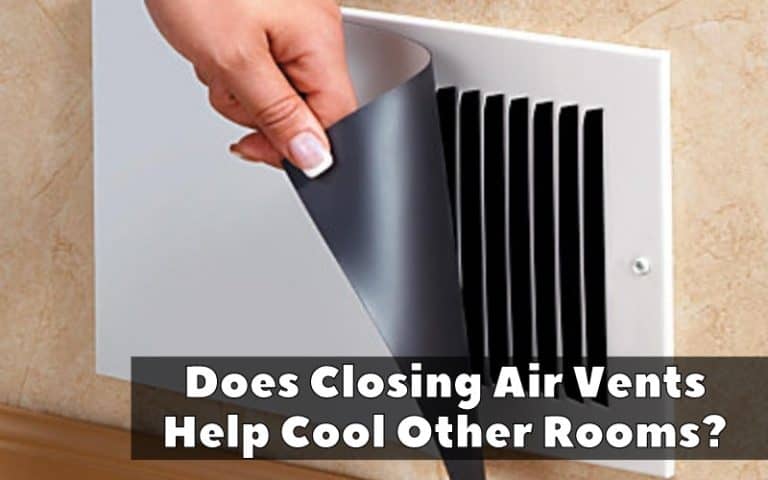
We've all been there. It's a sweltering summer day, or perhaps a chilly winter evening. You walk into one room and it's practically a sauna, while the room next door feels like an arctic tundra. Your immediate, perfectly logical instinct kicks in: "Aha! If I just close the air vent in this frosty room, all that glorious cool (or warm) air will rush into the hotter parts of the house!" It sounds like a stroke of genius, a simple hack to balance your home's climate, doesn't it?
Well, buckle up, because we're about to dive into a common home comfort myth that, while well-intentioned, often does more harm than good. Let's get cozy with the truth about your HVAC system!
The Vent-Closing Instinct: Why It Feels Right (But Isn't Quite)
It’s an entirely understandable impulse. We picture our home's air ducts like a network of hoses. If you pinch one off, the water (or air, in this case) has to go somewhere else with more force, right? This is where the misunderstanding begins. Your home's heating, ventilation, and air conditioning (HVAC) system isn't just a simple set of open tubes; it's a sophisticated, carefully calibrated system designed for a specific airflow.
Must Read
Think of your home as a giant, breathing organism. For your HVAC system to work efficiently, it needs to maintain a delicate balance of air pressure. It pulls air in through return vents, conditions it (cools or heats), and then pushes it out through supply vents into various rooms.
The Unseen Consequences: What Really Happens When You Close Vents
When you close a vent, you're not just redirecting air; you're essentially putting a kink in the system's carefully planned design. Here's the lowdown on the less-than-ideal outcomes:
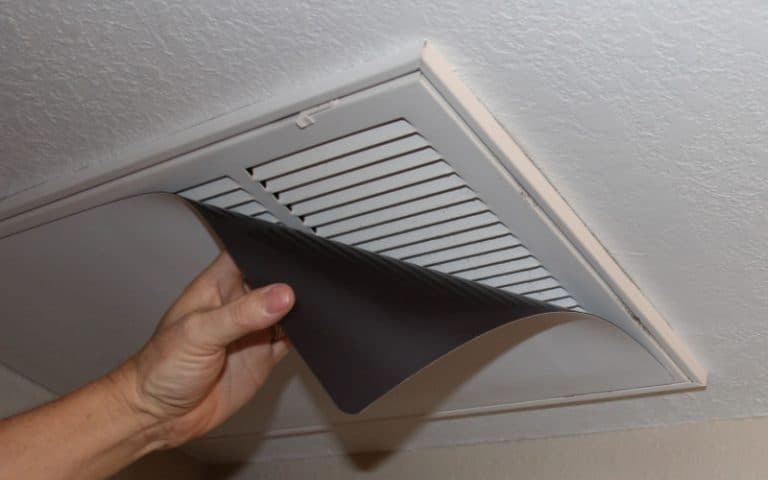
- Increased Static Pressure: This is the big one. Your HVAC system's fan (the blower) is designed to push air against a certain amount of resistance, or "static pressure." When you close vents, you increase this pressure. It's like trying to run through quicksand – the fan has to work much harder to move the same amount of air.
- Strained Equipment: That overworked fan motor? It's burning more energy, shortening its lifespan, and potentially leading to costly repairs down the line. For AC units, excessive pressure can even cause the evaporator coil to freeze up. With furnaces, it might lead to overheating.
- Reduced Efficiency: A struggling system is an inefficient system. It means higher energy bills for less actual comfort. Not exactly the money-saving hack we were hoping for!
- Duct Leaks Get Worse: If your ductwork has any tiny cracks or leaks (and most homes do, unfortunately!), increased pressure will force more of that conditioned air out into unconditioned spaces like attics, crawl spaces, or within your walls. It's like trying to keep a secret in a small town – it just gets out!
So, the air doesn't magically zoom to other rooms more efficiently. Instead, it either leaks out of your ducts or just makes your system work harder for no real gain.
Smarter Ways to Achieve Home Harmony
Fear not, comfort-seeker! While closing vents might be a no-go, there are plenty of effective, energy-saving strategies to ensure every corner of your castle feels just right:

1. Embrace Smart Thermostats: These clever gadgets learn your routine and optimize temperature control, often allowing you to set schedules for different times of day. Some even integrate with zone systems (see below).
2. Consider a Zoning System: This is the gold standard for personalized comfort. A zoning system uses dampers installed in your ductwork that can open and close, controlled by separate thermostats in different areas (zones) of your home. This way, you truly can direct airflow precisely where and when you need it.
3. Seal Those Leaks and Boost Insulation: This is the unsung hero of home comfort. Properly sealed windows, doors, and well-insulated attics and walls prevent conditioned air from escaping and unconditioned air from sneaking in. It’s like putting a cozy blanket on your whole house!
4. Regular HVAC Maintenance: A well-maintained system runs more efficiently. Clean filters, professional tune-ups, and addressing minor issues before they become major problems are crucial. Think of it as your home's annual spa day.
5. Strategic Window Treatments: Blinds, curtains, and shades (especially blackout ones) can significantly impact a room's temperature by blocking out harsh sunlight in summer and providing an extra layer of insulation in winter.
6. Utilize Ceiling Fans: In warmer months, ceiling fans create a wind-chill effect, making you feel cooler without actually lowering the thermostat, saving energy. Just remember to turn them off when you leave the room!
A Little Reflection on Home Wisdom
It's fascinating how our intuitive solutions sometimes clash with the underlying mechanics of our homes. Like trying to fix a complex machine with a simple wrench, the easiest answer isn't always the most effective. Understanding how your home's systems truly work not only saves you money but also ensures a more comfortable, sustainable living environment.
So, the next time you feel that urge to close a vent, remember: your HVAC system prefers balance. Instead of fighting it, work with it. Your wallet, your comfort, and your HVAC system will all thank you!