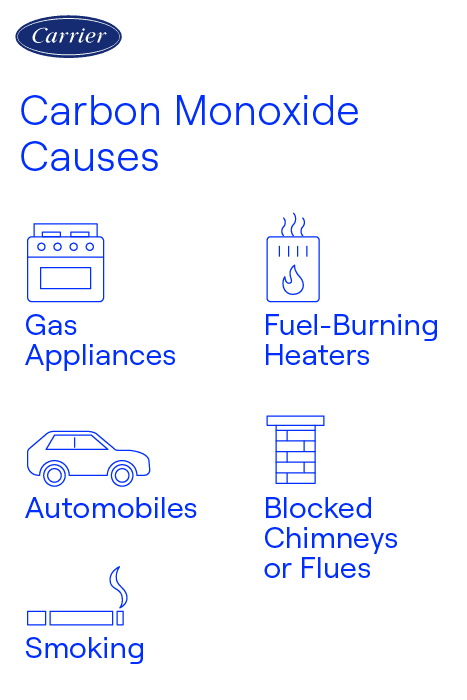
Does Carbon Monoxide Come From Natural Gas
Hold Up, Is Natural Gas the Sneaky Carbon Monoxide Guy?
Picture this: you're cozied up at home, maybe the furnace is humming, or the stovetop is doing its thing. You hear the words "natural gas" and "carbon monoxide" in the same sentence, and suddenly, a tiny alarm bell goes off in your head. Are they, like, secretly related? Is natural gas actually a wolf in sheep's clothing, ready to morph into that silent, invisible danger we all hear about?
Well, buckle up, buttercup, because we're about to dive into this mystery with a light heart and maybe a chuckle or two. And my "unpopular" opinion? Absolutely not! They are not the same thing. Not even close. It's like asking if a banana is secretly a chocolate bar. Sure, they both live in the kitchen, but they’re two entirely different beasts!
Meet the Main Characters: Our Gas Gang
First up, let's introduce our star, natural gas. This stuff is mostly methane. Think of methane as a clean-cut, reliable friend. It's an energy source. It cooks your dinner, heats your house, warms your water. It’s a good guy, mostly. When it burns properly, it gives you heat, light, and mostly produces harmless things like water vapor and carbon dioxide (which, yes, is a greenhouse gas, but that’s a different chat for a different day).
Must Read
Now, meet the notorious character, carbon monoxide. Let's call him CO for short. This guy is the ultimate party crasher. He's invisible, has no smell, and no taste. He's incredibly sneaky and can cause a whole heap of trouble without you ever knowing he's there. CO is definitely not methane. It’s a totally different chemical compound, a completely separate entity. Like comparing a fluffy golden retriever to a slinky, silent panther. Both animals, but wildly different vibes.
The Plot Thickens: When Good Gas Makes Bad Company
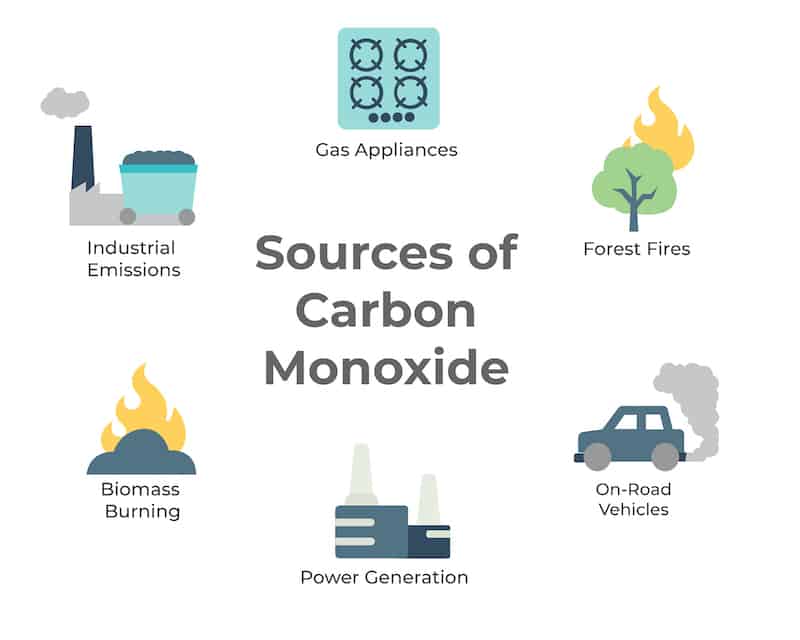
So, if natural gas isn't carbon monoxide, why do we always hear them mentioned together? Ah, my friend, this is where the plot twist comes in! It’s not that natural gas is carbon monoxide. It’s that natural gas, when it’s trying to do its job (burning!), can sometimes accidentally make carbon monoxide if things go a bit wrong.
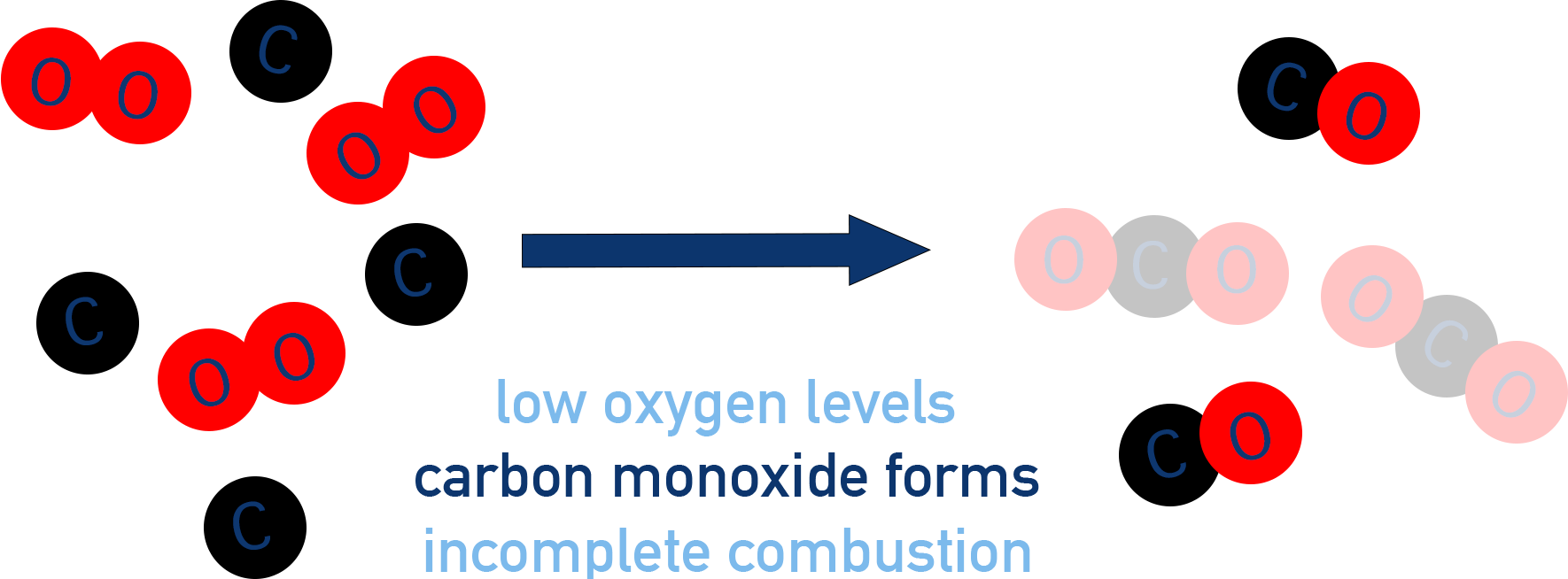
Think of it like this: your friend natural gas (methane) is cooking dinner. He needs a lot of oxygen – the air around us – to cook properly. If he has plenty of oxygen, he cooks up a perfect, delicious meal (heat, light, water, and carbon dioxide). This is what we call complete combustion. Everything works as it should, happy days.
But what if there isn't enough oxygen in the kitchen? Maybe the windows are all sealed, the vents are blocked, or the oven isn't working quite right. Suddenly, your friend natural gas struggles. He can't cook the meal properly. Instead of the perfect dish, he accidentally burns it, and out pops our sneaky friend, carbon monoxide (CO), as a byproduct. This is called incomplete combustion.
"It's not that natural gas is carbon monoxide. It's that natural gas, when it’s struggling to breathe, can accidentally create it. Think of it as a stressed-out chef making a mistake!"
So, natural gas itself is innocent. It's the process of burning it without enough fresh air that invites the trouble-making CO to the party. The natural gas doesn't transform into CO; it just, under poor conditions, creates it as a different, unwanted outcome. It’s less "Jekyll and Hyde" and more "good intentions, bad execution."
Keeping the Peace: How to Avoid the CO Crud
This isn't meant to scare you away from using natural gas appliances. Not at all! It's super safe when used correctly. The key is simply to ensure your appliances are well-maintained and have plenty of fresh air to "breathe."
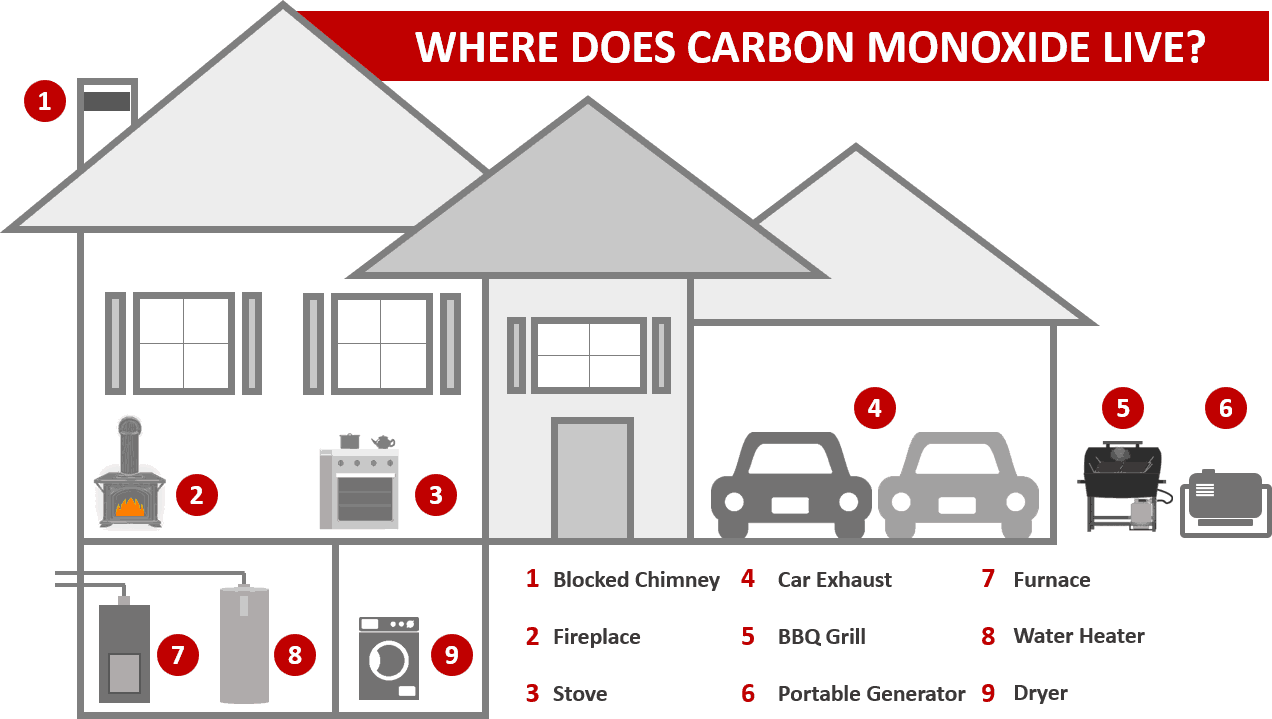
Regular check-ups for your furnace, water heater, and stove are like giving them a good physical. Making sure vents aren't blocked is like ensuring they have open windows for fresh air. And, of course, having a carbon monoxide detector is like having a superhero on standby, ready to alert you if that invisible party crasher, CO, tries to sneak in. They're surprisingly affordable and incredibly important for peace of mind.
So, the next time someone whispers about natural gas and carbon monoxide in the same breath, you can confidently clear your throat and explain. No, natural gas doesn’t magically become carbon monoxide. It’s a friendly fuel that, like all of us, sometimes needs the right conditions to do its job perfectly. Give it enough oxygen, keep its appliances happy, and you'll keep that pesky CO out of your hair. Now go forth, and enjoy your natural gas, knowing a little more about its surprisingly complicated social life!