
Does Candles Produce Carbon Monoxide

Who doesn't adore the gentle flicker of a candle? That soft glow instantly transforms any room. It whispers of relaxation, coziness, and perhaps a lovely lavender scent.
But then, a little shadow of doubt creeps in. A friend, or perhaps an internet comment, might mention something scary. They whisper the words: carbon monoxide.
Suddenly, your peaceful evening ritual feels less serene. Is your tiny flame secretly plotting against you? Are you unwittingly filling your home with a silent, invisible foe?
Must Read
Let's be honest, the thought of carbon monoxide can be quite alarming. We hear about it in serious contexts, like faulty furnaces or running cars in closed garages. It's a genuinely dangerous gas.
So, does your innocent little candle really produce it? The short answer, if we're being strictly scientific, is yes. But before you toss out all your beautiful votives, let's have a playful chat.
Almost anything that burns produces some amount of carbon monoxide. Think of it as a byproduct of less-than-perfect burning. It’s all about something called incomplete combustion.
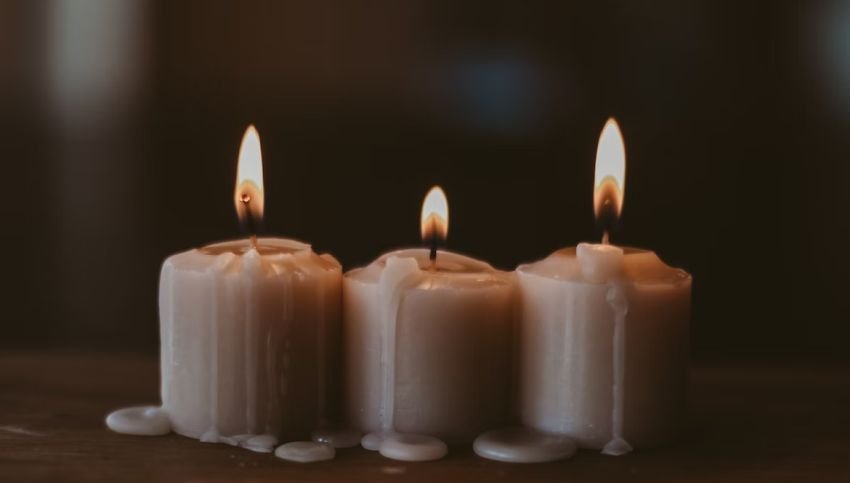
A perfectly happy candle flame, one that burns bright and steady, is doing a pretty good job. It’s getting plenty of oxygen and turning its wax into mostly water vapor and carbon dioxide.
This is what we call complete combustion. It’s the ideal scenario for your candle. Most of the time, your well-behaved candle is aiming for this perfection.

However, if your candle isn't getting enough oxygen, or if the conditions aren't just right, things get a bit messy. The flame might start to struggle.
When this happens, you get incomplete combustion. And that’s when a little bit of carbon monoxide can form. It's like your candle is having a bit of a hiccup.
Now, let's put this into perspective. Are we talking about the same amount of carbon monoxide as a car engine? Absolutely not, unless you’re lighting thousands of candles in a hermetically sealed vault.
Your single scented candle, flickering merrily, is likely producing incredibly tiny amounts. So tiny, in fact, that your nose wouldn't even detect them.
But how can you tell if your candle is having a bad day? There are usually some tell-tale signs. They're like your candle's little SOS signals.
One big clue is soot. That black, smoky residue clinging to the jar or floating in the air. That’s unburnt carbon particles, and it's a sign of a less-than-efficient burn.

If you see a lot of black soot, your candle is probably producing more than just that lovely aroma. It’s a good indicator that incomplete combustion is happening.
Another sign is a wildly flickering flame, especially one that looks "too big" for the candle. Or perhaps the wick is "mushrooming" at the top, forming a black ball.
These are all signs that your candle isn't burning as cleanly as it could. It’s like a car engine sputtering and blowing black smoke – not ideal.
So, what can a candle-loving person do? Don't despair! There are simple ways to keep your candles happy and your air clean. It’s mostly about common sense and a little bit of candle care.
First and foremost, ventilation is your best friend. Imagine your home taking a deep breath. An open window, even just a crack, makes a huge difference.
Fresh air dilutes any minuscule byproducts from your candle. It sweeps them away, ensuring they don't build up to concerning levels. Think of it as giving your room a gentle cleanse.

You wouldn't seal yourself in a closet with a gas stove on, right? The same logic, albeit on a much smaller scale, applies to candles. Let the air flow!
Next, keep those wicks trimmed. A long, unruly wick leads to a bigger, often smokier flame. Aim for about a quarter-inch before each burn.
Trimming the wick is like giving your candle a tiny haircut for optimal performance. It encourages a smaller, steadier, and cleaner flame. Less soot, more glow!
Avoid placing candles in really drafty spots. While ventilation is good, direct drafts can make the flame dance wildly. This can also lead to more soot and less efficient burning.
Consider the size of your space versus the number of candles. Lighting a dozen large, highly scented candles in a tiny, unventilated bathroom is probably not the wisest idea. Use a little judgment!
Also, don't leave candles burning unsupervised. It’s not just about fire safety; a neglected candle can become a messy, sooty one. Always keep an eye on your burning beauties.
For ultimate peace of mind, consider investing in a carbon monoxide detector. These vigilant gadgets are a fantastic idea for any home, whether you burn candles or not.
They monitor the air for this invisible gas, providing an early warning. They’re like a tiny, ever-watchful guardian angel for your indoor air quality.
So, can candles produce carbon monoxide? Yes, technically, under certain conditions. But is your cozy candle habit going to turn your home into a danger zone? Highly, highly unlikely if you're mindful.
Don't let the fear of a tiny scientific possibility steal your joy. Your candles are there to bring warmth, scent, and ambiance. They’re not secret agents of doom.
Embrace the glow, enjoy the scent, and relax. Just remember to trim those wicks, open a window, and let your candles burn happily. You've got this!
Now, go forth and light that lovely candle. Just make sure it’s in a well-ventilated space. And maybe keep that CO detector happy, too!