Does Brown Discharge After Plan B Mean It Worked
Let's talk about Plan B – that little pill that can feel like a superhero in a tricky situation! It’s super common, and probably why you're here wondering about… brown discharge. Now, discussing discharge might not be everyone's idea of a party, but understanding your body is always a good time. So, buckle up, because we're diving into whether that brown stuff means your Plan B did its job.
First things first: Plan B, also known as the morning-after pill, is designed to prevent pregnancy after unprotected sex. It works primarily by delaying ovulation, essentially stopping the egg from being released from your ovary. Think of it as hitting the pause button on your reproductive system.
One of the million-dollar questions after taking Plan B is: "How do I know if it worked?!" Unfortunately, there isn’t a flashing neon sign that says, "Pregnancy averted!" Instead, you have to rely on other cues, like waiting for your period. This is where that brown discharge comes into play. But does it guarantee success? Sadly, no.
Must Read
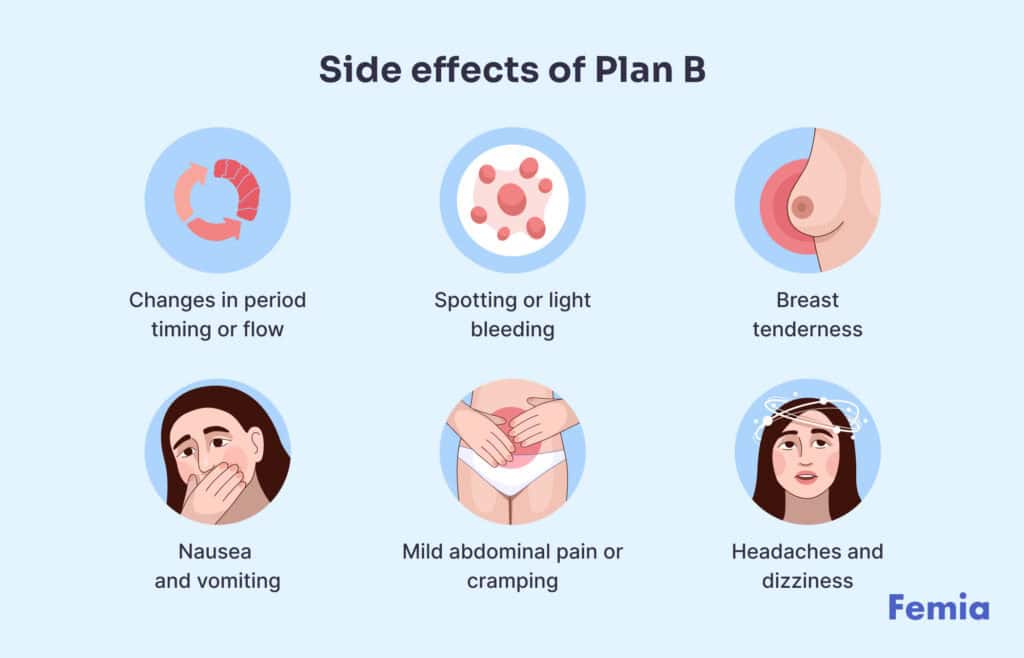
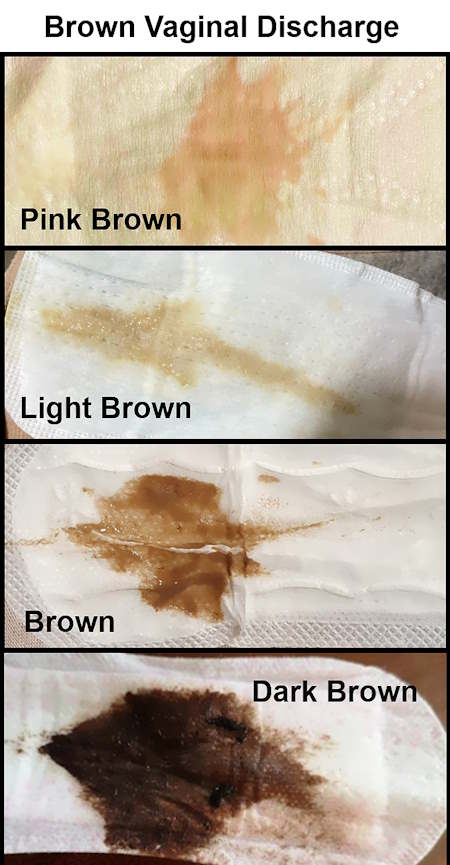
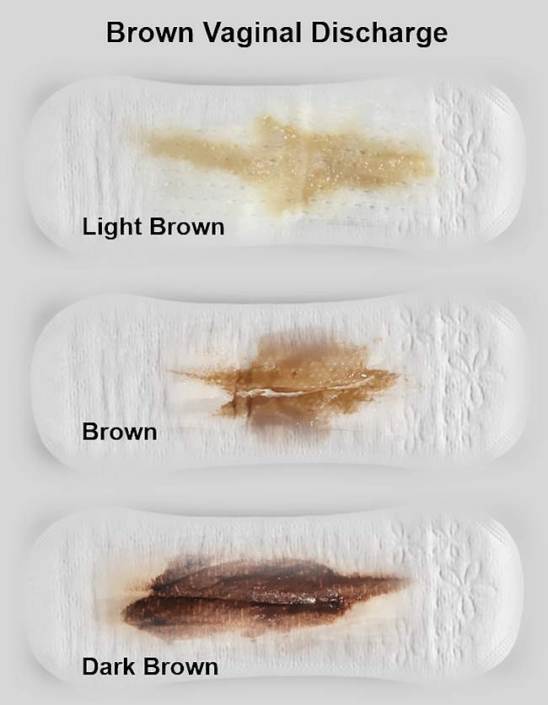
Brown discharge after Plan B is usually just old blood. Plan B contains a hefty dose of hormones, which can throw your cycle for a loop. This hormonal surge can cause spotting, which, because it is often old blood, appears brown. Spotting is a common side effect of Plan B. Think of it as your uterus having a mini-meltdown because of the hormone party.

So, here’s the crucial point: Brown discharge, spotting, or even a change in your period after taking Plan B does NOT definitively mean it worked. It's simply a common side effect caused by the hormonal changes.
The problem is, similar spotting can occur with early pregnancy. So, spotting alone is not a reliable indicator. Instead, spotting and brown discharge just make it even more confusing.
Here's what you should do:
- Take a pregnancy test: The most accurate way to determine if Plan B worked is to take a pregnancy test. Most tests are accurate about two weeks after unprotected sex.
- Track your period: Keep an eye on your period. If it's significantly late (more than a week), take a pregnancy test, even if you experienced spotting.
- Talk to your doctor: If you have concerns or experience unusual symptoms (severe abdominal pain, heavy bleeding), consult your doctor or a healthcare professional. They can provide personalized advice and rule out any other potential issues.
In short, while brown discharge after Plan B is a common side effect and usually nothing to worry about, don't rely on it as a sign that you're in the clear. The only way to know for sure is a pregnancy test. Knowledge is power, and understanding your body empowers you to make informed decisions about your health! And remember, Plan B is a backup, not a regular form of contraception. Talk to your doctor about reliable birth control options if you're sexually active.