Does Basket Of Seeds Work With Sugar Cane

Have you ever wondered how different farming practices impact the crops we rely on? It's a fascinating question, especially when we consider the increasing need for sustainable agriculture. One such practice, known as "Basket of Seeds," aims to enhance biodiversity and soil health. But how does this method fare when applied to a crop like sugar cane, a globally significant source of sugar and biofuels?
Basket of Seeds, at its core, is a method promoting agrobiodiversity. It's about introducing a variety of plant seeds into a specific area, fostering a mini-ecosystem within the crop field. This can involve planting different types of legumes, cover crops, and even wildflowers alongside the main crop. The idea is that this biodiversity strengthens the overall system, making it more resilient to pests, diseases, and climate fluctuations. It also aims to improve soil health by adding organic matter and nutrients, reducing the need for synthetic fertilizers.
The benefits of this approach are numerous. A more diverse planting can attract beneficial insects that prey on pests that target the main crop, thus reducing the need for harmful pesticides. The added plant species can also help suppress weeds, further decreasing reliance on herbicides. Furthermore, the decaying plant matter from these diverse species enriches the soil, improving its structure and water retention. In the long run, a healthier soil leads to healthier and more productive crops. But how does this translate when we consider sugar cane?
Must Read
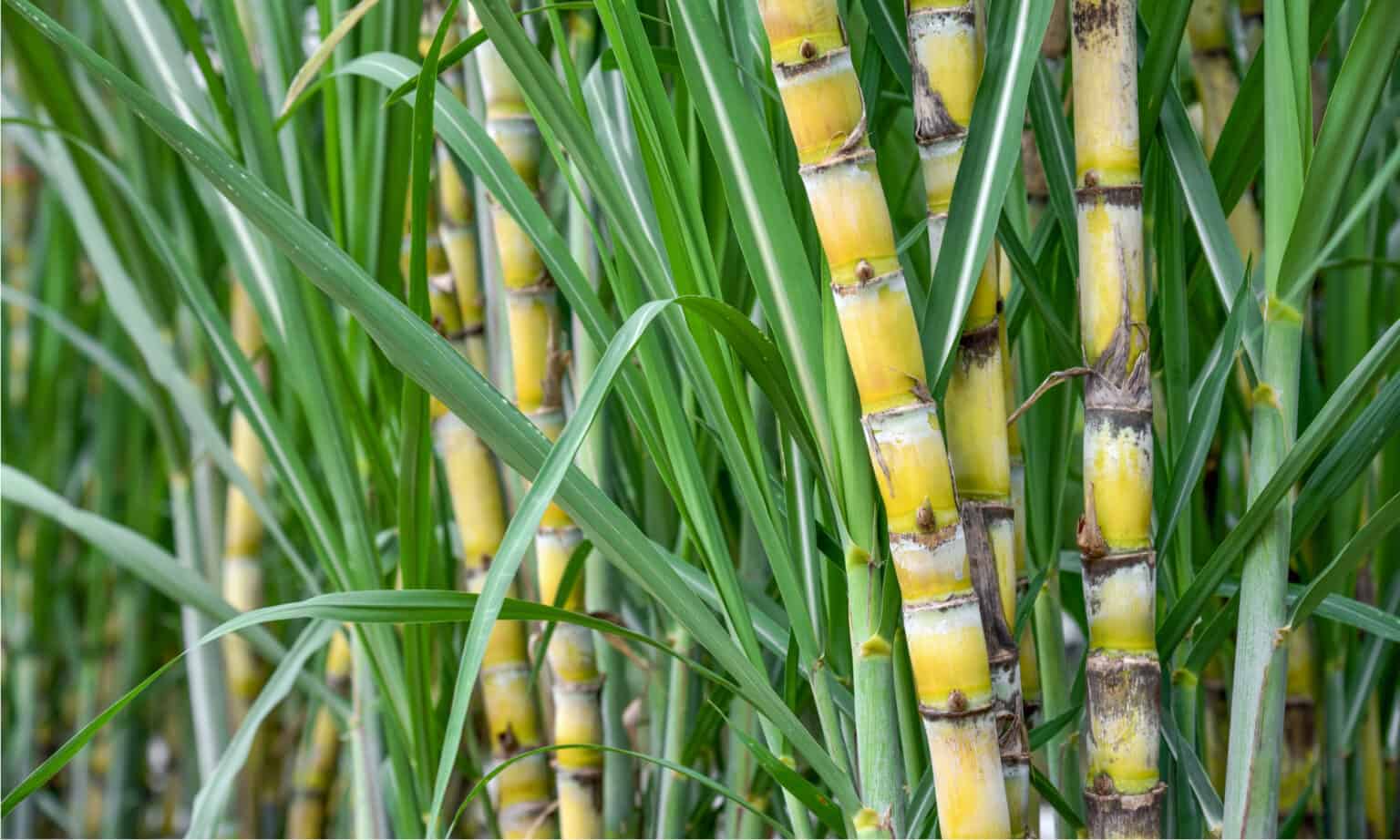
Applying the Basket of Seeds concept to sugar cane cultivation is an area of ongoing research. While sugar cane is often grown in large monocultures, introducing companion plants could offer several advantages. For instance, planting legumes like beans or soybeans between the rows of sugar cane can fix nitrogen in the soil, a crucial nutrient for plant growth. Certain cover crops can also help to suppress weeds and prevent soil erosion, which is particularly important in areas with heavy rainfall. Research is also exploring the use of plants that attract beneficial insects, helping to control pests that can damage sugar cane crops.

The beauty of the Basket of Seeds concept lies in its adaptability. In education, it serves as a fantastic tool for teaching about ecological interactions and sustainable farming practices. Imagine a school garden where students experiment with different companion planting strategies alongside a small sugar cane patch. This hands-on experience can provide invaluable insights into the complexities of agriculture and the importance of biodiversity. In daily life, even home gardeners can apply the principles of Basket of Seeds by incorporating diverse plantings around their vegetables, promoting a healthier and more resilient garden ecosystem.
Want to explore this further? Start small! If you know someone who grows sugar cane (or even if you just have a large grassy area), consider planting a small patch with a mix of seeds – clover, beans, and wildflowers are great starting points. Observe how these plants interact and how they affect the soil. You can even take soil samples to compare the nutrient levels in the areas with and without the mixed planting. Remember, the key is to experiment and learn from your observations. The Basket of Seeds approach is a journey of discovery, and even small steps can contribute to a more sustainable and resilient agricultural future, even for something as seemingly simple as a field of sugar cane.