
Does An Appliance Use Electricity Plugged In
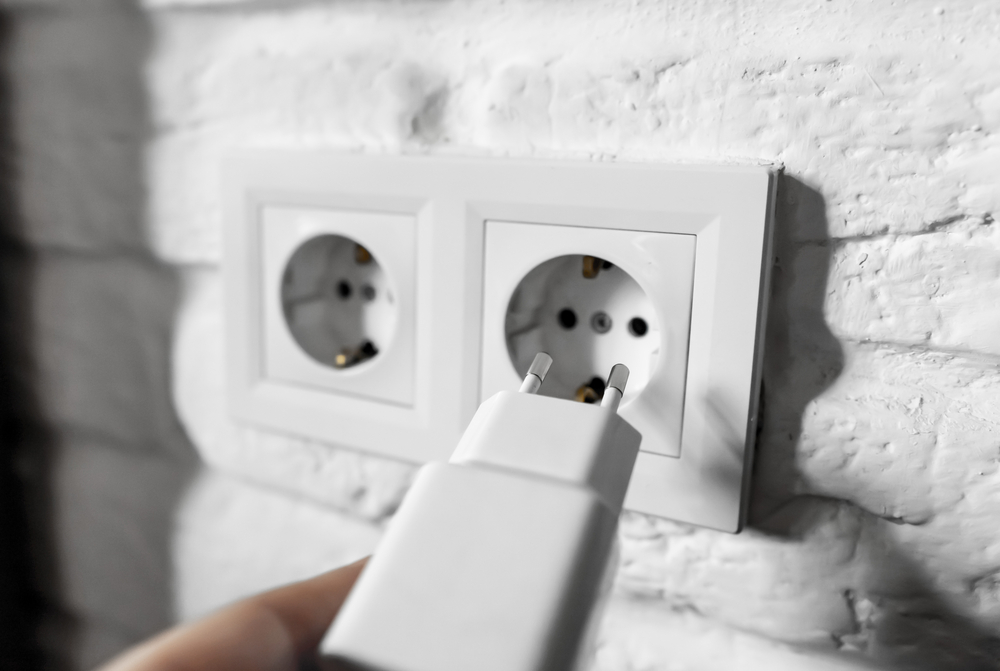
Ever wondered if your phone charger is secretly plotting against your electricity bill, even when your phone isn't attached?
We've all been there, right? Staring at that lonely plug, wondering if it's a silent energy vampire.
Let's dive into the surprisingly intriguing world of "phantom load," also known as "standby power" or "vampire power".
Must Read
The Case of the Sneaky Socket: Unplugged, But Not Powerless?
The simple answer? Often, yes. Many appliances continue to draw a small amount of electricity even when they're switched off. It's like they're in a perpetual state of light dozing, waiting for your command.
This is because many modern devices aren't truly "off" when you hit the power button. They are in stand-by mode.
They’re still ready to spring into action at a moment's notice, thanks to that tiny trickle of power.
Who Are the Usual Suspects?
Certain appliances are notorious for their phantom energy consumption. Think of them as the usual suspects in a power-draining lineup.
Your TV, for example, is a prime offender. It's always listening for that remote signal, ready to whisk you away to your favorite shows.
That's the price we pay for instant gratification.
Microwaves, with their ever-present digital clocks, are also guilty. They are perpetually counting down to your next bag of popcorn.
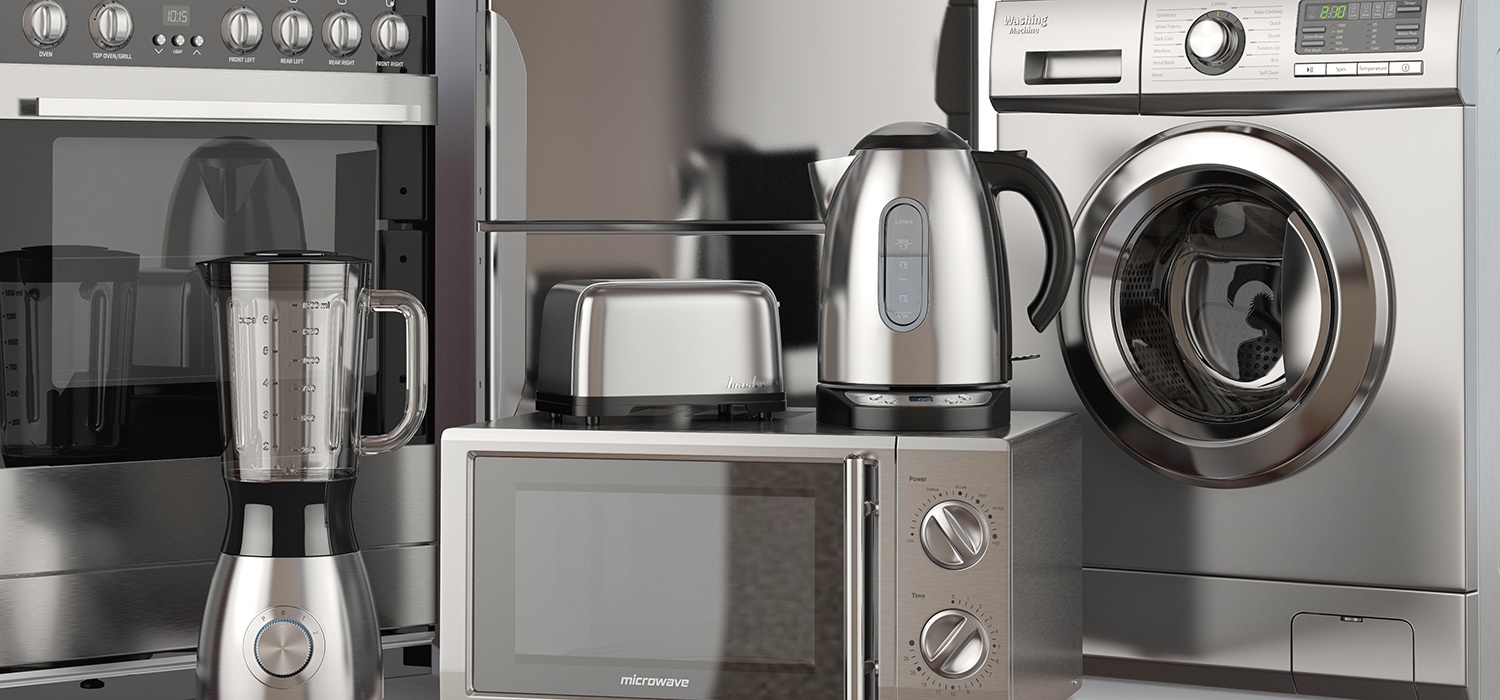
Gaming consoles, computers, printers, and DVD players all contribute to this silent energy drain. They’re all secretly fueling their hidden agendas.
Even phone chargers that aren't charging anything are still subtly sucking power from the outlet. It’s like they’re charging a ghost phone.
The Great Unplugging: A Heroic Tale of Energy Conservation
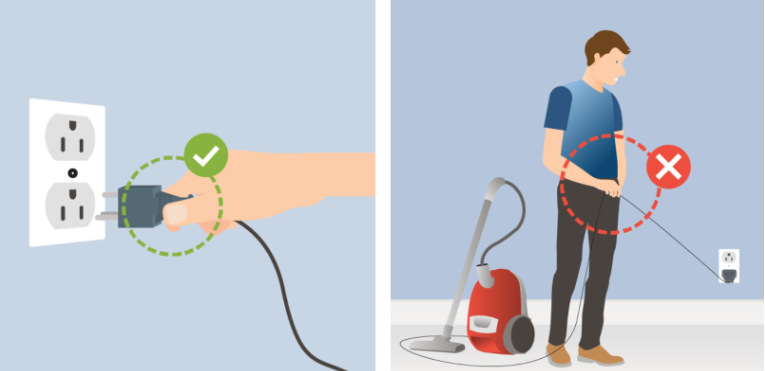
So, what can you do to fight back against these energy vampires? The answer is simpler than you think: unplug them.
Imagine yourself as a superhero, swooping in to vanquish these power-hungry villains with the simple act of pulling a plug. You are the Unplugger!
It might seem like a small gesture, but it can add up to significant savings over time. It's like finding spare change in your couch cushions – except it's money you never even had to spend.
Power Strips: Your Secret Weapon
For those hard-to-reach outlets or areas with multiple devices, power strips are your best friend. They come with an on/off switch, allowing you to cut power to several devices at once.
Think of it as a master control for your energy kingdom. With the flip of a switch, you can banish the energy vampires to the shadow realm.
This is especially helpful for entertainment centers and home offices, where multiple devices tend to cluster together.
The Surprising Psychology of "Off": A Heartwarming Twist
But there's more to this story than just saving money. There's also a certain satisfaction that comes from consciously choosing to disconnect.
In our hyper-connected world, taking a moment to physically unplug can be a surprisingly mindful act. It's a reminder that we have control over our energy consumption and our relationship with technology.
It's a small act of rebellion against the constant demands of our digital lives.
The Zen of the Unplugged Toaster
Consider the humble toaster. When it's plugged in, it's always ready, always waiting for your next craving for a golden-brown slice of bread.
But when it's unplugged, it's simply a toaster. It's free from the burden of constant readiness, existing purely in the present moment.
Okay, maybe that's a bit much. But you get the idea. There’s a strange peace in disconnecting.
Debunking the Myths: Setting the Record Straight
Let's address some common misconceptions about phantom load. One popular belief is that older appliances are the biggest culprits.
While it's true that older appliances tend to be less energy-efficient overall, modern electronics are often designed with standby modes that consume power even when "off".
Another myth is that the amount of energy wasted is negligible. While the individual drain from each device may be small, it adds up over time. It's death by a thousand tiny sips.
The "Always On" Culture: A Reflection of Our Times
Our society has become accustomed to the convenience of instant access. We expect our devices to be ready at a moment's notice. No more waiting!
This "always on" culture has fueled the growth of phantom load. And it's become a reflection of our own desire to be constantly connected.
Perhaps a little downtime for our appliances can also remind us to take a little downtime for ourselves.
The Future of Energy: Smart Homes and Smarter Choices
The good news is that technology is evolving to address the problem of phantom load. Smart homes are becoming increasingly popular, offering features that automatically cut power to devices when they're not in use.
Smart power strips, for example, can detect when a device is in standby mode and automatically shut off the power.
These innovations are making it easier than ever to reduce energy waste and save money. It’s almost like technology is fixing the problems that technology created!
A Call to Action: Embrace the Unplug
So, the next time you're wandering around your house, take a moment to consider the energy vampires lurking in your outlets. Are you ready to be the hero of your own energy-saving story?
Embrace the Unplug, and you'll not only save money but also gain a newfound appreciation for the power of disconnection.
And who knows? You might even discover the zen of the unplugged toaster. Go forth and conquer those sneaky sockets.
Consider using a tool like a kill-a-watt meter to measure the phantom load from your appliances. These tools provides more information on your device energy consumption.
And don't forget to
unplug your chargerwhen not in use! It’s a small act that can make a big difference, both for your wallet and the environment.
Be an energy saver. Be the Unplugger.