
Does A Smoke Alarm Need To Be Hardwired
Hey there, coffee's on me! Pull up a chair. We're diving into a topic that might seem a little... well, dry, but it's super important: smoke alarms. Specifically, that age-old question, "Does this thing need to be hardwired, or can I just pop a battery in it and call it a day?"
You know the drill, right? We all grew up with those little round disks on the ceiling. Most of us probably just assumed they ran on batteries. Like, forever. Until that dreaded 3 AM chirp. Ugh, that sound. It's the universal signal for "I'm dying, please feed me a 9-volt battery... preferably in the dark, from a wobbly chair." Am I right?
The Great Battery vs. Hardwired Debate (It's Not as Dramatic as it Sounds)
So, let's get real. For ages, battery-operated smoke alarms were the standard. You buy it, you stick it up, you forget about it until it starts complaining. And honestly, they've saved countless lives. They're definitely better than nothing! Like, a million times better than nothing.
Must Read
But then comes the hardwired brigade. "Oh, you want real protection?" they whisper, stroking a phantom mustache. "You need hardwired!" And you're left wondering, are they just being fancy, or is there something to it?
Why Hardwired Gets All the Buzz
Okay, let's break down why hardwired alarms are often seen as the

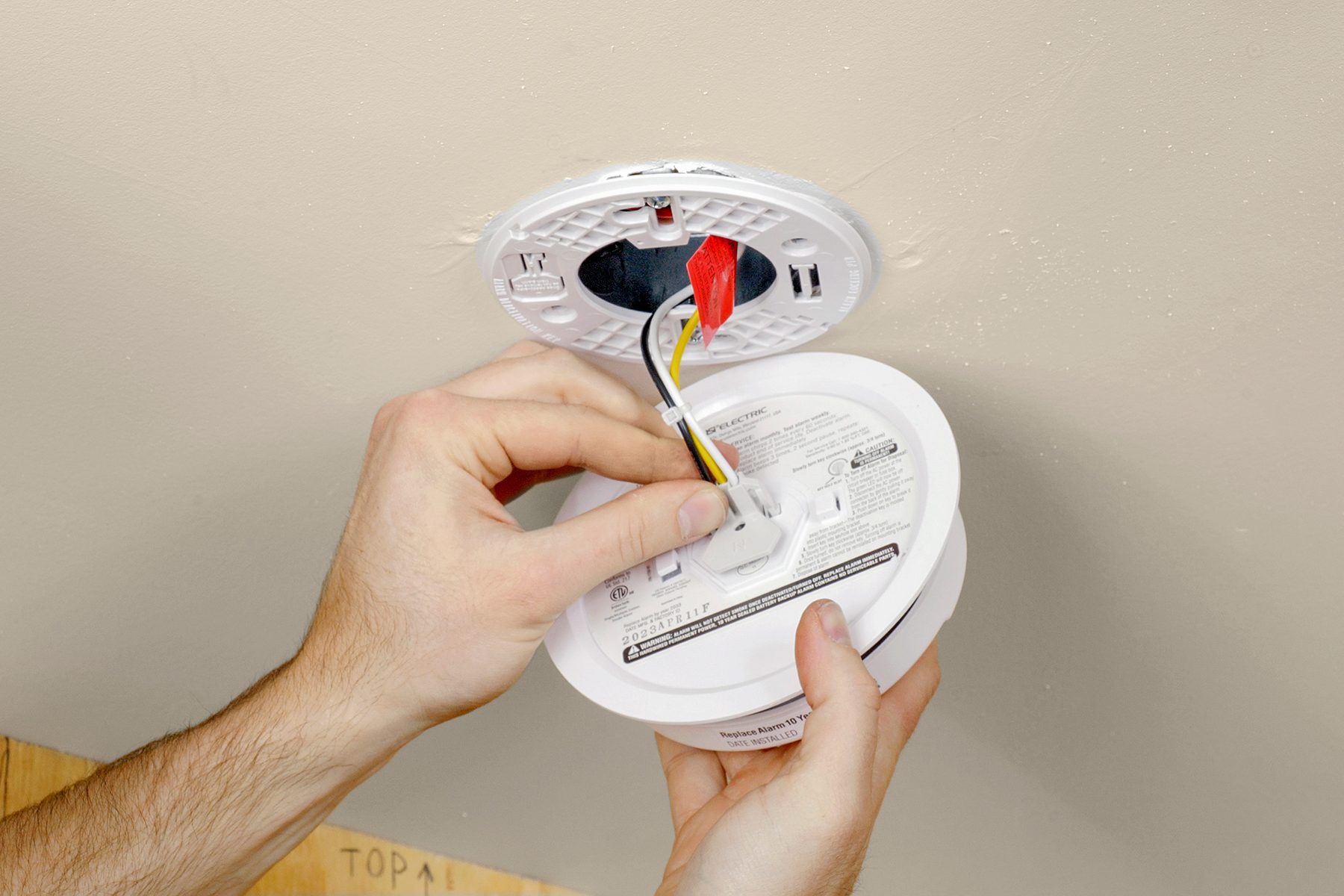
First off, the obvious: no dead batteries (mostly). These bad boys are wired directly into your home's electrical system. They're constantly powered up. That means no more 3 AM chirps from a dying battery. (Well, unless the backup battery dies, but we'll get to that in a sec.) This constant power flow means they're always vigilant, always watching. It's like having a security guard who never, ever needs a coffee break.
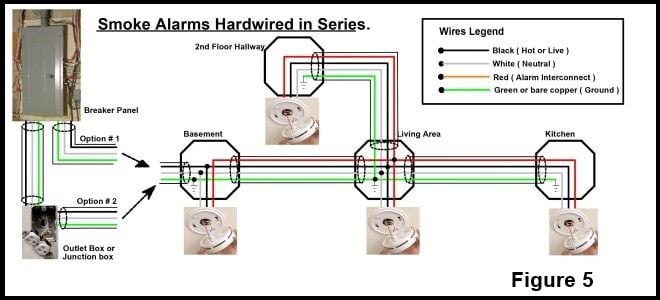
And here's where hardwired really shines: interconnectedness. Imagine this: a fire starts in your basement. If you have separate battery alarms, only the basement one might scream. But with a hardwired, interconnected system? If one alarm detects smoke, all of them go off. Upstairs, downstairs, laundry room – the whole house starts blaring a warning. It's like your entire home suddenly gains a voice, shouting, "GET OUT!" That extra few seconds can be absolutely critical for you and your family to escape safely. It’s a huge, huge advantage.
Oh, and about that backup battery I mentioned? Most hardwired alarms do have a battery backup. This is for when the power goes out. So even if the lights go dark, your smoke alarms are still on duty. It's like a superhero with a backup superpower, just in case. Double duty, baby!

The "But What Ifs?" and Alternatives
So, hardwired sounds great, right? But here's the kicker: it often requires a bit more effort. We're talking about running wires, possibly drilling holes, and maybe even needing an electrician. Not exactly a weekend DIY project for everyone, especially in older homes that weren't built with this in mind. It can be a little pricier to install, too.
And let's be fair, battery-operated alarms have come a long way. Many modern ones now boast 10-year sealed batteries. That means no battery changes for a whole decade! You just replace the whole unit when the ten years are up. Pretty sweet, right? Some even offer wireless interconnection, so they can talk to each other without needing to be hardwired. Technology, man! It’s wild.
So, Do You Need To Hardwire?
Alright, for the big reveal. The answer is... it depends! (Yeah, I know, classic non-answer, but hear me out!)
For new construction or major renovations, the answer is often a resounding YES. Building codes in most places now require hardwired, interconnected smoke alarms. This is because they offer the highest level of safety and reliability. So, if you're building fresh or doing a big re-do, you probably won't have a choice in the matter. And honestly, that's a good thing.
If you're in an existing home, especially an older one, it gets a little fuzzier. While hardwiring is the ideal, it might not be practical or affordable to retrofit your entire house. In that case, modern battery-operated alarms, especially the 10-year sealed ones with wireless interconnection capabilities, are an excellent alternative. They're vastly superior to the old "chirp at 3 AM" models.
The Bottom Line (And My Friendly Advice)
Here’s the deal: safety first, always.
- Check your local building codes: If you're doing any work, this is non-negotiable.
- If you can hardwire and interconnect, do it: It offers the best peace of mind and protection. It's the Rolls Royce of smoke alarm systems.
- If hardwiring isn't feasible: Upgrade to modern, 10-year sealed battery alarms. Look for ones that can interconnect wirelessly. They're a fantastic, reliable option.
- Don't forget carbon monoxide detectors! That's a whole other coffee chat, but just a friendly reminder.
Ultimately, the most important thing is that you have working smoke alarms. Period. Whether they're sipping power from your walls or drawing from a decade-long battery, make sure they're there, they're tested regularly, and they're ready to scream their little heads off if danger comes knocking. Because really, that's what friends are for, right? (And smoke alarms, apparently!)
Now, about that second cup...