
Does A Smoke Alarm Detect Carbon Monoxide
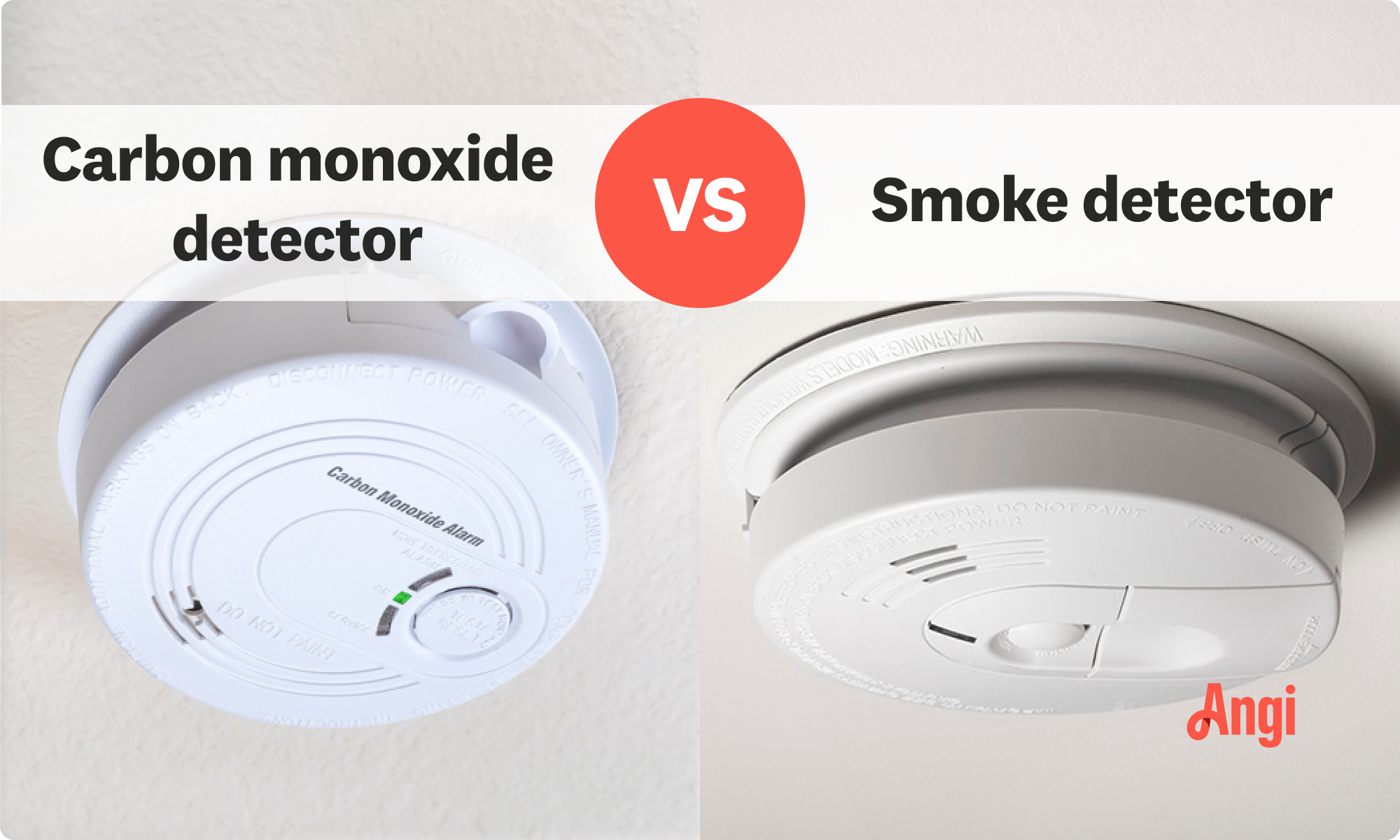
We all love that cozy feeling of home, right? A warm mug, a comfy couch, maybe a favorite show humming in the background. But underneath all that bliss, there's always that little flicker of concern for safety. We install locks, check our windows, and, of course, make sure our smoke alarms are chirping happily. But here’s a question that often pops up in the back of our minds: Does a smoke alarm actually detect carbon monoxide?
It's a really common query, and for good reason! Both are about protecting our homes and loved ones from unseen dangers. They both make a loud, attention-grabbing noise when something's wrong. So, it's easy to assume they're two sides of the same coin, right? Well, let's clear up this home safety mystery once and for all.
Smoke Alarms: The Fire Fighters of Your Home
Let's talk about your trusty smoke alarm first. These gadgets are designed with one primary mission: to detect smoke particles in the air. Think of them as tiny, ever-vigilant sniffers for fire. There are generally two types:
Must Read
- Ionization alarms: These are super sensitive to small, fast-burning fires with invisible smoke particles.
- Photoelectric alarms: Better at detecting large, smoldering fires that produce thick, visible smoke.
Many experts actually recommend having both types or, even better, a dual-sensor alarm for comprehensive smoke detection. They're essential, life-saving devices that give you precious minutes to escape a fire.
But here's the crucial bit: a standard smoke alarm is focused solely on smoke. It’s like asking a fantastic baker to fix your car – they're both incredibly skilled, but in completely different areas. Your smoke alarm is brilliant at its job, but that job does not include carbon monoxide detection.

Carbon Monoxide Alarms: The Silent Killer's Nemesis
Now, enter the carbon monoxide (CO) alarm. This is a completely different beast, designed to tackle a different kind of threat. Carbon monoxide is often called the "silent killer" because it’s a gas that you can't see, smell, or taste. It’s produced when fuels (like gas, oil, kerosene, wood, or charcoal) don't burn completely.
Think of it this way: your furnace, water heater, gas stove, fireplace, or even that charcoal grill you accidentally brought into the garage on a rainy day – they all have the potential to produce CO. If CO builds up in your home, it can quickly become deadly by replacing oxygen in your blood. Scary stuff, right?
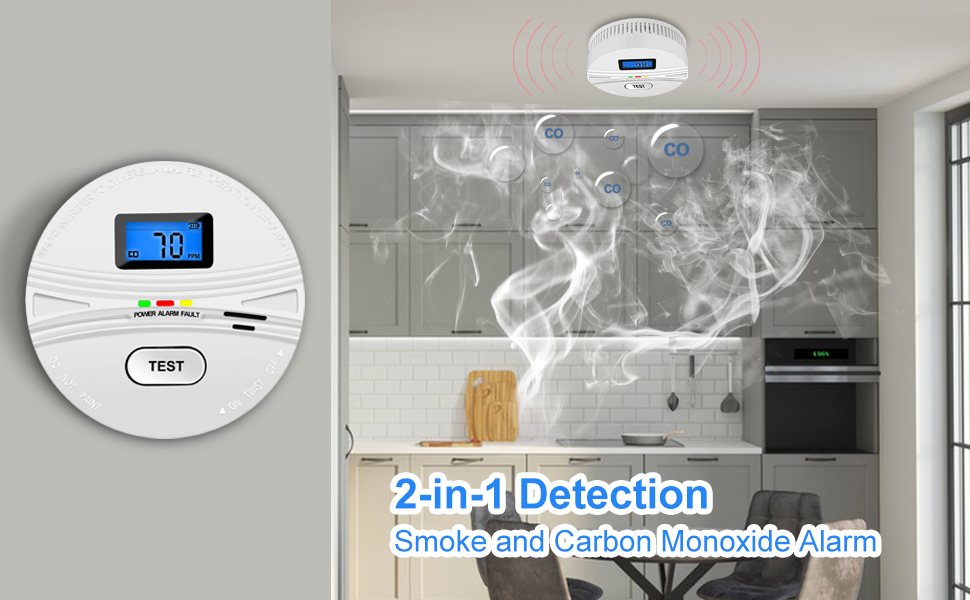
CO alarms use an electrochemical sensor that reacts specifically to carbon monoxide gas. When the sensor detects a dangerous level of CO, it sounds an alarm, giving you time to get fresh air and call for help. So, while your smoke alarm is on the lookout for a fiery villain, your CO alarm is silently battling an invisible, odorless one. Different threats, different superheroes!
The Takeaway: You Need Both!
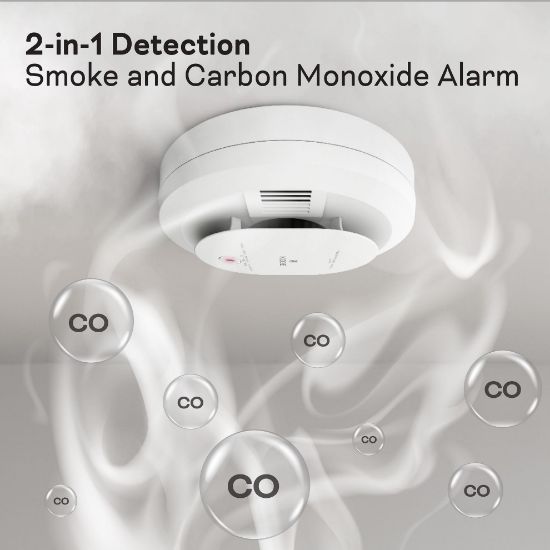
So, the answer to our initial question is a resounding no. A smoke alarm does not detect carbon monoxide. And that's okay, because they both have incredibly important, distinct jobs to do in keeping your home safe. It’s not about choosing one over the other; it’s about having a complete safety squad.
Practical Pointers for Peace of Mind
Ready to level up your home safety game? Here are some simple, actionable tips:
- Install Both: Make sure you have both smoke alarms and CO alarms on every level of your home, especially near sleeping areas. For CO alarms, also place one near any fuel-burning appliances.
- Test Them Monthly: Just like checking your car's oil, hit that test button once a month to ensure they’re working. It takes literally two seconds!
- Change Batteries Bi-Annually: A great trick is to change your batteries when you change your clocks for Daylight Saving Time – "spring forward, fall back, change your batteries!" (Unless you have 10-year sealed units, then just test regularly).
- Know Their Lifespan: Alarms aren’t forever. Smoke alarms typically last about 10 years, and CO alarms around 5-7 years. Check the manufacturer's date on the back and replace them when due. It's like a technology refresh for your safety!
- Know What to Do: If an alarm goes off, don't ignore it. For smoke, get out! For CO, get fresh air immediately and call 911 or your local fire department.
Investing in separate, properly placed smoke and carbon monoxide alarms is one of the smartest, most budget-friendly ways to protect your family. It's not about being paranoid; it's about being prepared. Like having both a sturdy umbrella for rain and sunglasses for sunshine – different tools for different conditions.
In the grand scheme of life, peace of mind is truly priceless. Knowing that your home is equipped to warn you about these unseen dangers allows you to fully relax and enjoy that cozy feeling. So, take a few minutes this week to check your alarms. It’s a small effort for a huge impact on your everyday serenity.
