Does A Nest Thermostat Need To Be Charged
Ah, the Nest Thermostat! It’s one of those brilliant pieces of tech that makes our homes smarter, cozier, and often, more energy-efficient. But if you’re new to the smart home game or just curious, you might have wondered: “Does my Nest Thermostat need to be charged?” It's a fun and super common question because, let's face it, we live in a world where almost every smart gadget, from our phones to our earbuds, needs a regular juice-up. So, naturally, we might assume our clever thermostat is no different!
Understanding how your Nest gets its power is surprisingly useful, whether you're a complete beginner, a busy parent, or a tech enthusiast. For beginners, knowing this means one less thing to worry about. You can enjoy the benefits of a smart home without constantly wondering if you need to plug something in. For families, it translates directly to peace of mind and potentially lower energy bills. No forgotten charges mean consistent comfort and optimal energy savings, keeping everyone happy without manual intervention. And for the hobbyists and smart home enthusiasts, delving into the power source reveals the clever engineering behind these devices and helps in troubleshooting or integrating them more effectively into a larger smart home ecosystem.
So, let's get straight to the big reveal: no, your Nest Thermostat does not need to be charged like your smartphone or laptop. You won’t find a USB port on it to plug into an outlet every few days. This is a common misconception because Nest thermostats do have a small internal battery. This battery is essential for powering the screen, Wi-Fi, and other smart features, but here’s the key: it’s designed to be recharged automatically by your home's heating and cooling (HVAC) system wiring. Most Nest thermostats draw a tiny amount of power from the existing wires that control your furnace or air conditioner. Ideally, this includes a dedicated "C-wire" (common wire), which provides a continuous low-voltage power supply. In homes without a C-wire, Nest can often "power-steal" by drawing power when your heating or cooling system is running. However, if power-stealing isn't enough, or the C-wire isn't providing sufficient power, you might see a "low battery" notification, which simply means it's not getting enough consistent power from your system to recharge its internal battery. It’s not an alert to manually charge it, but rather an indication to check your wiring or power source.
Must Read
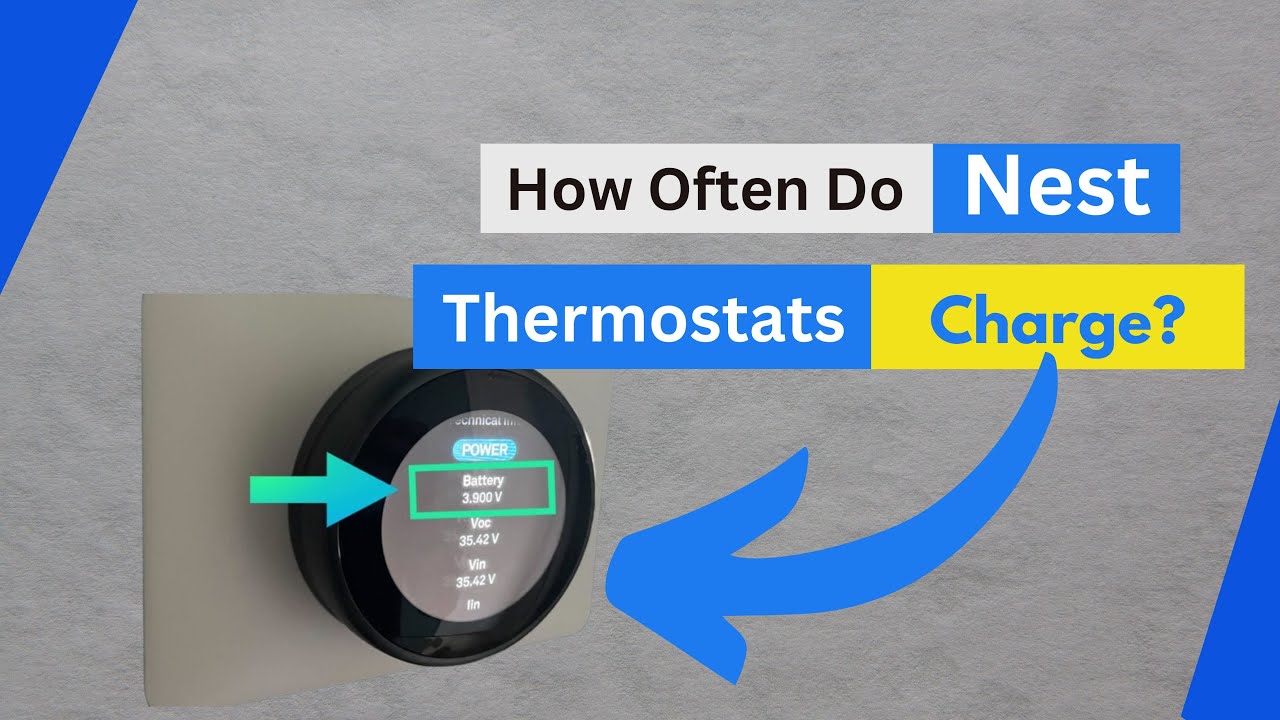
Ready to put your mind at ease? Here are a few simple tips for getting started and ensuring your Nest is always humming along nicely: First, if you're installing a Nest, always check your existing wiring for a C-wire. It makes for the most stable power supply. If you don't have one, Nest might still work, but if you experience persistent "low battery" alerts, consider having an electrician install a C-wire adapter or a C-wire itself. Second, familiarize yourself with the Nest app’s technical info, which often shows the thermostat’s battery level. This can be a useful diagnostic tool. Finally, remember that if your Nest ever goes blank, it’s most likely a wiring or power issue at the source, not a forgotten charge.
In conclusion, the enjoyment and value of a Nest Thermostat come from its hands-off convenience. Once installed correctly, you can largely forget about its power needs and simply revel in the comfort, energy savings, and smart control it brings to your home. No charging cables, no daily worries – just pure, smart home bliss!