
Does A Electric Blanket Use A Lot Of Electricity
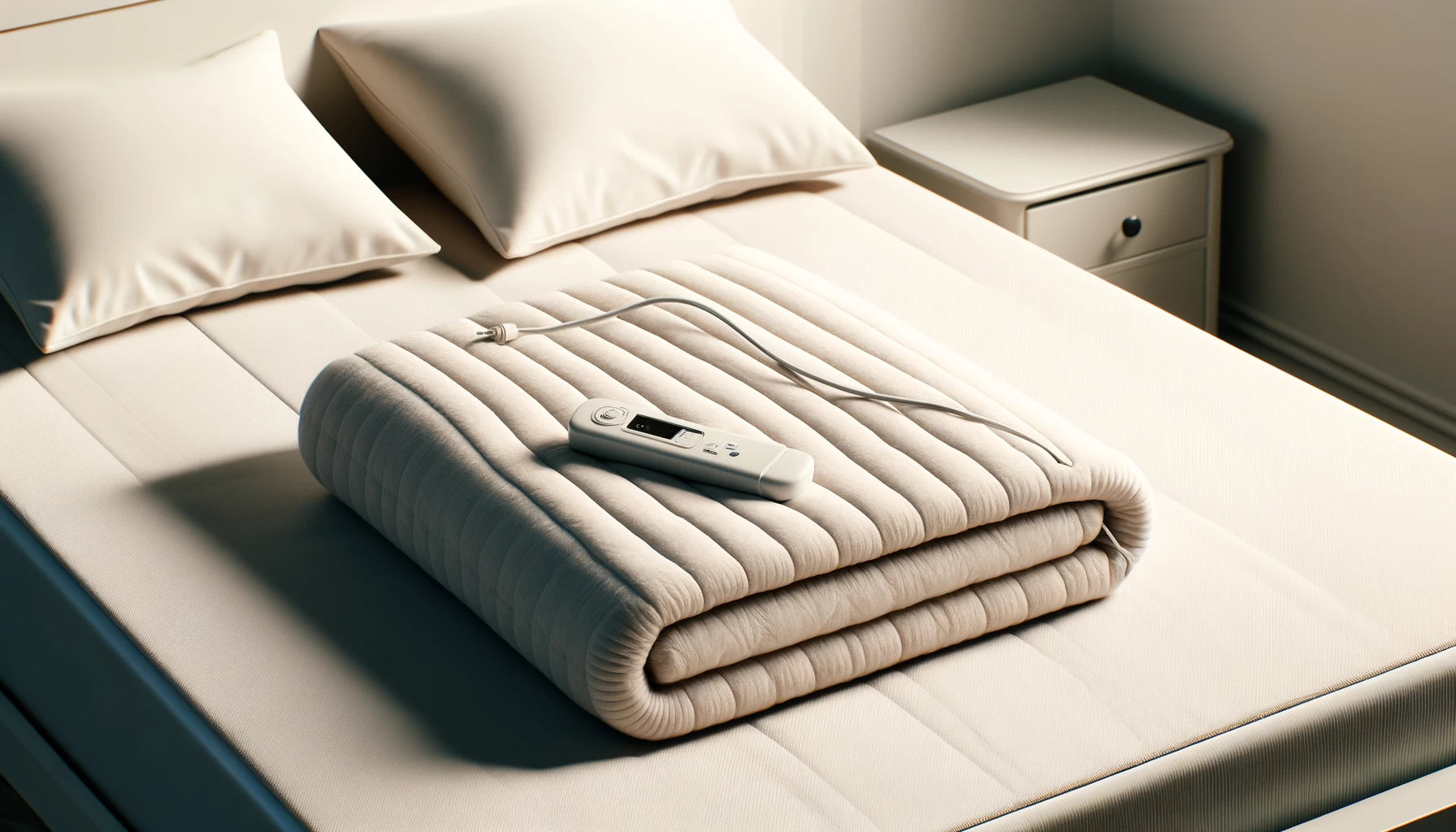
Let's talk electric blankets. Ah, the siren song of toasty toes on a frigid night. Are they electricity-guzzling monsters, or just misunderstood heroes of winter warmth?
The Great Electric Blanket Debate
Does that cozy comfort come at a shocking price? (Pun intended!). Some say yes, pointing fingers at the wall outlet. Others claim they're practically free to run. Who's right?
I'm here to offer a… perhaps unpopular opinion. Buckle up, buttercups.
Must Read
The "It's Gonna Bankrupt Me!" Argument
Okay, I get it. We’ve all seen those energy bills that make you question your life choices. It's easy to assume anything plugged in is secretly plotting against your wallet.
And yeah, electric blankets do use electricity. That's how they…you know... heat up.
But is it that much? Let's investigate, shall we?
Watt's Up With Watts?
The key is understanding watts. Most electric blankets use somewhere between 60 and 200 watts. Check your blanket's label; it's usually printed right there.
A standard incandescent lightbulb? Those old energy hogs can easily suck up 60 watts just to illuminate your living room.
Consider the comparison. It kind of makes the electric blanket seem less menacing, doesn't it?
The Math (Don't Panic!)
Time for some simple math! (I promise, it won't hurt). Let's say your blanket uses 100 watts and you use it for 8 hours a night.
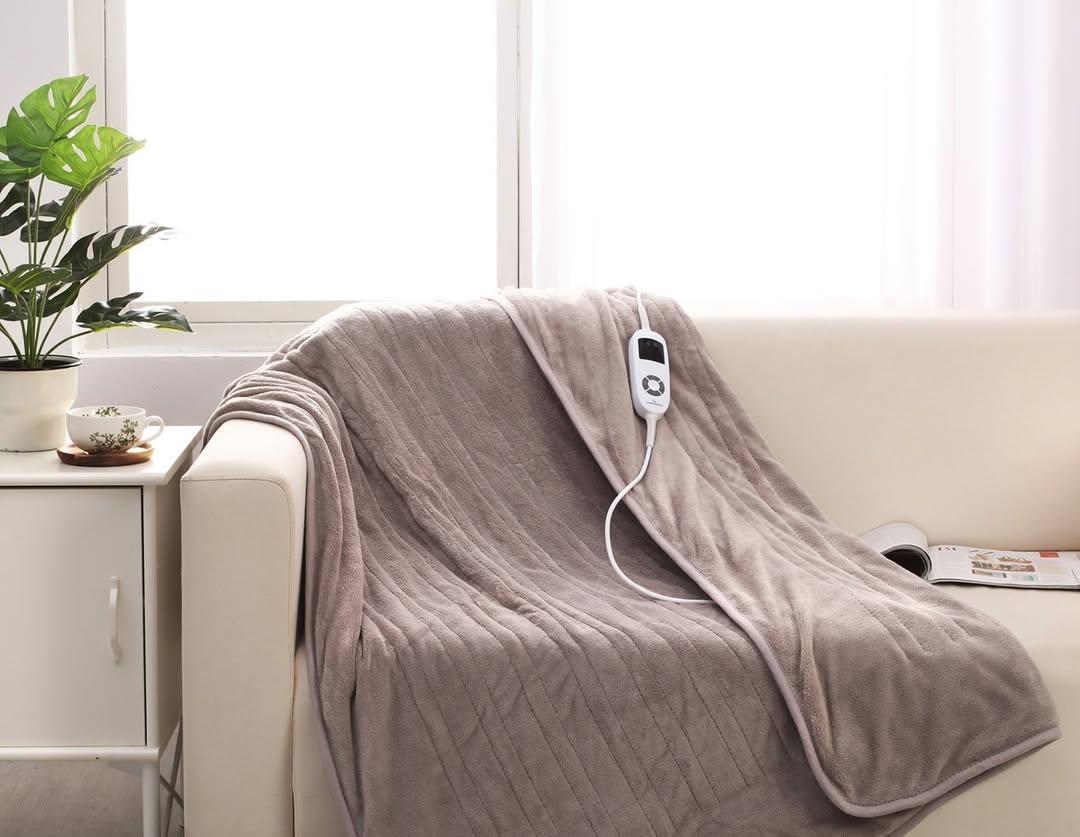
That's 800 watt-hours, or 0.8 kilowatt-hours (kWh). Look at you, understanding energy jargon!
Now, check your electricity bill. What's the cost per kWh in your area? Let's pretend it's $0.15.
Multiply 0.8 kWh by $0.15, and you get $0.12. Twelve cents! For a whole night of snuggly warmth! Tell me that's not a bargain.
My (Unpopular) Opinion: Electric Blankets Are Cheap Dates
Here it is. The statement that might get me banished from frugal living forums. I think electric blankets are shockingly (again, pun intended!) energy-efficient.
Think about it. You're heating yourself, not the entire room. Compare that to cranking up the thermostat.
Heating an entire house? Now that's an electricity vampire. That eats into your wallet.
So, while your furnace is blasting away, trying to make your entire home feel like a tropical paradise, your little electric blanket is just focusing on keeping you happy.
The Great Thermostat Showdown
Let's imagine a scenario. You have a choice: crank up the thermostat to 72 degrees all night or use an electric blanket. Which is more energy-efficient?
Spoiler alert: It's probably the electric blanket. By a long shot. Unless you have a super-efficient, unicorn-powered heating system. (If you do, please tell me your secrets!).
Reducing your thermostat by even a few degrees at night can save you a significant amount of money on your heating bill. The Department of Energy would agree with me on this.
But What About the Environment?!
Okay, valid point. We all want to be responsible citizens of planet Earth. Every little bit counts.
Here's where it gets interesting. If using an electric blanket allows you to lower your thermostat and use less overall heating, you're potentially reducing your carbon footprint.
Plus, think of the resources saved by not overheating your entire house! It's a win-win (sort of).
Tips for Maximum Energy Savings
Want to be even more energy-conscious with your electric blanket? Here are a few tips:

- Use a Timer: Don't need it on all night? Set a timer to turn it off after you've fallen asleep.
- Preheat, Then Lower the Setting: Crank it up to get cozy, then dial it back to a lower setting to maintain the warmth.
- Layer Up: Use the blanket in conjunction with pajamas and extra blankets. Less power needed!
- Unplug When Not in Use: Even though they don't draw much power when off, unplugging is always a good habit.
The "Lazy Tax"
Look, I'll admit it. There is a small "lazy tax" associated with electric blankets. You're paying for convenience and comfort.
But is that so wrong? Is wanting to be warm and snuggly a crime? I think not!
Sometimes, a little bit of extra electricity usage is worth the pure, unadulterated joy of climbing into a perfectly heated bed on a frigid night. My happiness is worth it.
Debunking the Myth
So, does an electric blanket use a lot of electricity? In my humble, slightly controversial opinion, the answer is no. Not really.
Compared to other heating methods, they're practically saints. They use less energy. They keep you warm.
It depends on your usage. They are also relatively cheap to run.
But Wait, There's More! (Safety First!)
Before you rush out and buy every electric blanket in the store, a word of caution. Always prioritize safety.
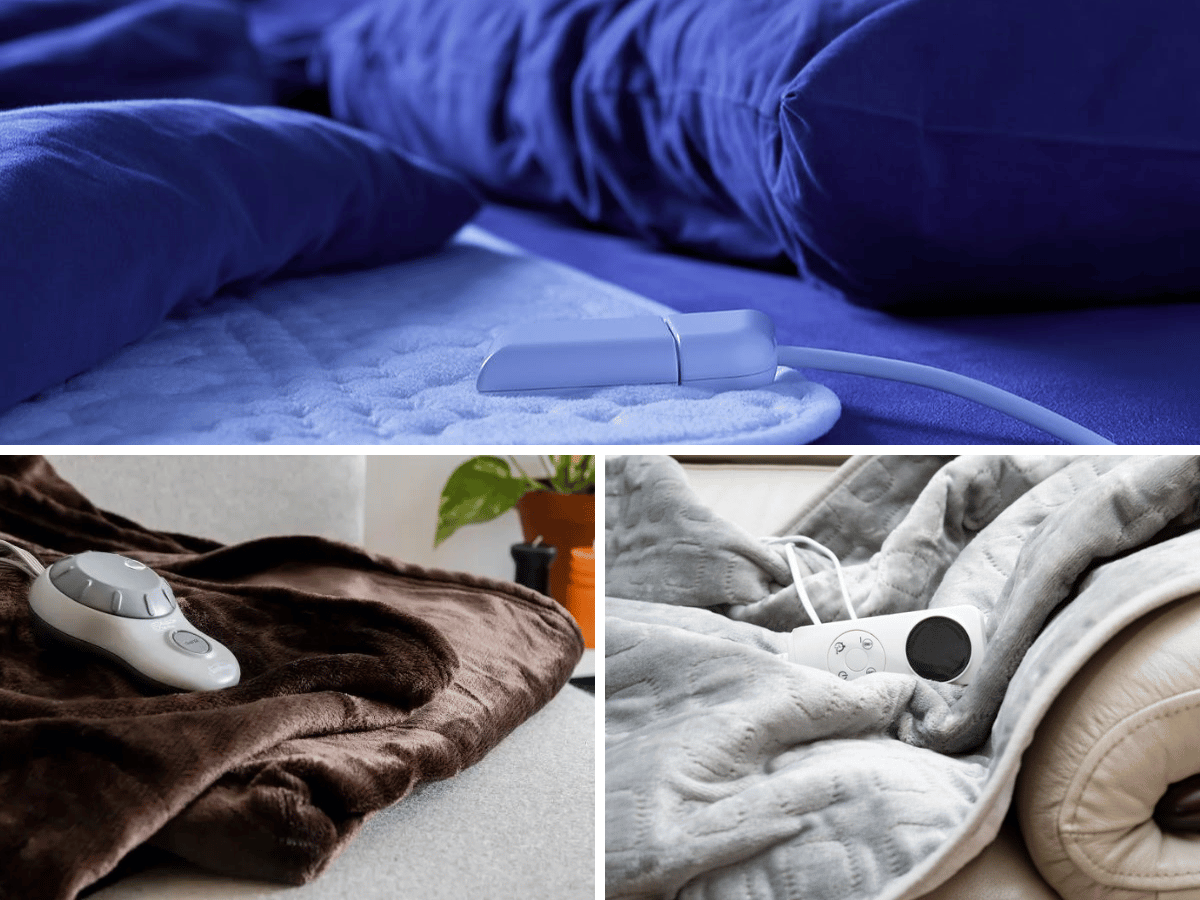
Make sure your blanket is in good condition, with no frayed wires or damage. Follow the manufacturer's instructions carefully. And never, ever fold the blanket when it's turned on.
Old electric blankets can pose a fire hazard. So, if you have a vintage model, consider upgrading to a newer, safer one. Also, check Underwriters Laboratories (UL) for certified blankets.
The Final Verdict
Electric blankets: energy-efficient heroes or electricity-guzzling villains? I vote hero. Imperfect heroes, perhaps.
The extra warmth is worth it for the low energy cost. And the lower energy costs are worth it for the warmth.
But heroes nonetheless! Now, if you'll excuse me, I'm going to go curl up under my electric blanket and enjoy the warmth.
A Parting Thought
Maybe, just maybe, we should stop demonizing small appliances and start focusing on the real energy hogs in our lives. The giant TVs, the constantly running computers, the energy-inefficient refrigerators...
The electric blanket is innocent! Okay, maybe not innocent. But definitely not guilty of excessive energy consumption.
Now go forth and enjoy your cozy, guilt-free warmth! And don't let anyone tell you otherwise. You deserve it!