Does A Co2 Detector Detect Natural Gas
Ever found yourself staring at a gadget, a little blinking light, and wondering, "Okay, smart device, what exactly are you doing in my home?" It happens to the best of us, especially when it comes to those unsung heroes of home safety: detectors! We know they're important, but sometimes, the alphabet soup of gases they monitor can get a bit confusing. And let's be real, who hasn't pondered the great mystery of whether a CO2 detector can actually sniff out a natural gas leak?
The Big Question: CO2 vs. Natural Gas – A Detector Showdown!
So, let's cut to the chase and answer that burning question you might have whispered to yourself while making toast: Does a CO2 detector detect natural gas? The short answer, my curious friend, is a resounding Nope!
Think of it like this: your kitchen smoke detector is brilliant at telling you when your dinner is reaching its crispy demise, but it won't warn you if your bathtub is overflowing. Different jobs, different tools, right? It's the same principle here.
Must Read
Carbon Dioxide (CO2) and natural gas are two entirely different beasts. They have different chemical structures, different properties, and therefore, require completely different types of sensors to detect them. It’s like expecting your nose to smell both a rose and a silent alarm bell. Two distinct sensations!
Natural gas, which is primarily methane (CH4), is a potent fuel. It’s what powers your stove, your furnace, and perhaps even your cozy fireplace. While incredibly useful, a leak can be seriously dangerous, posing risks of fire, explosion, and even asphyxiation if it displaces enough oxygen. That lovely rotten-egg smell you associate with natural gas? That's actually an additive called mercaptan, deliberately put there to make it detectable to humans, because methane itself is odorless!

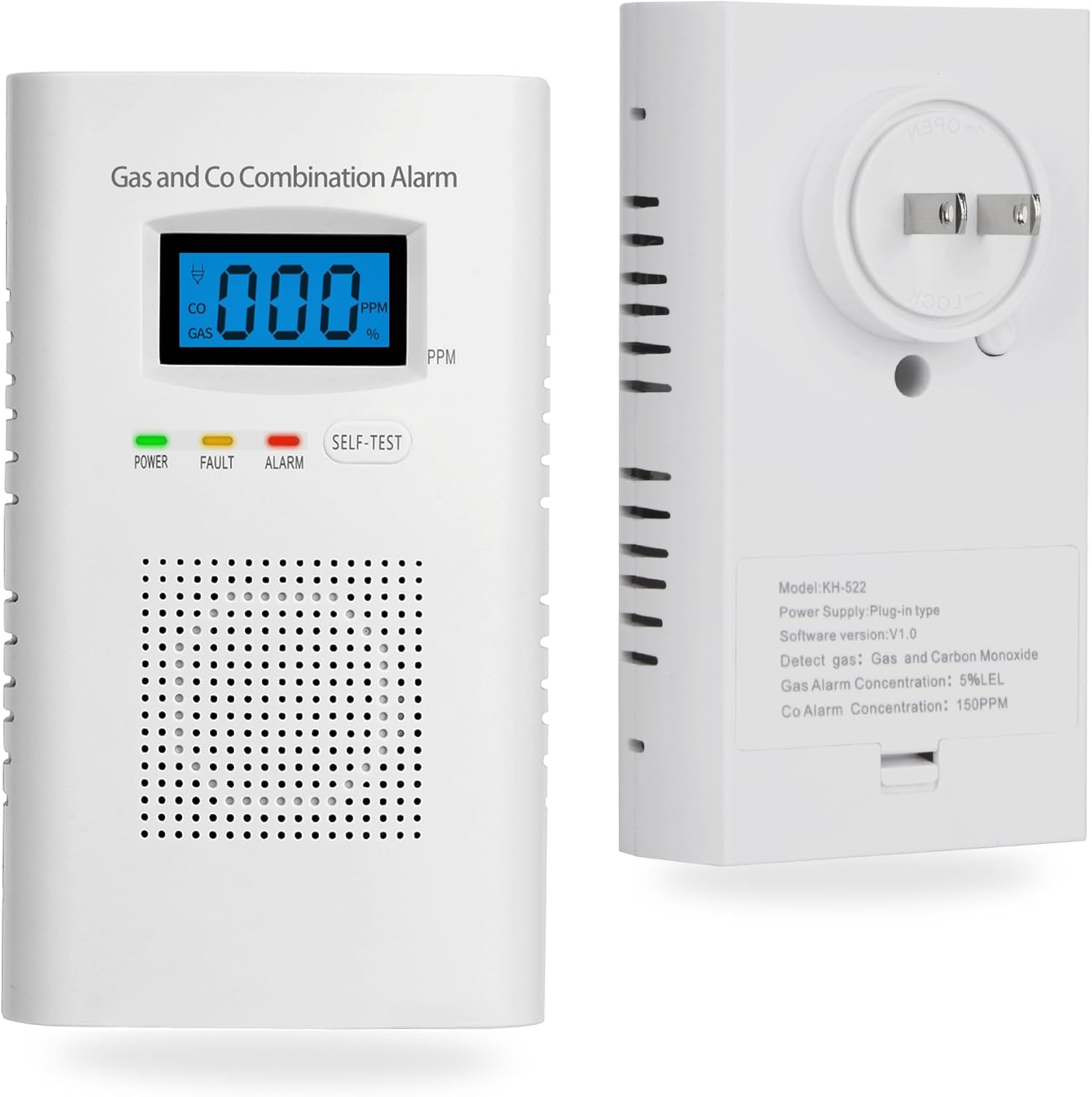
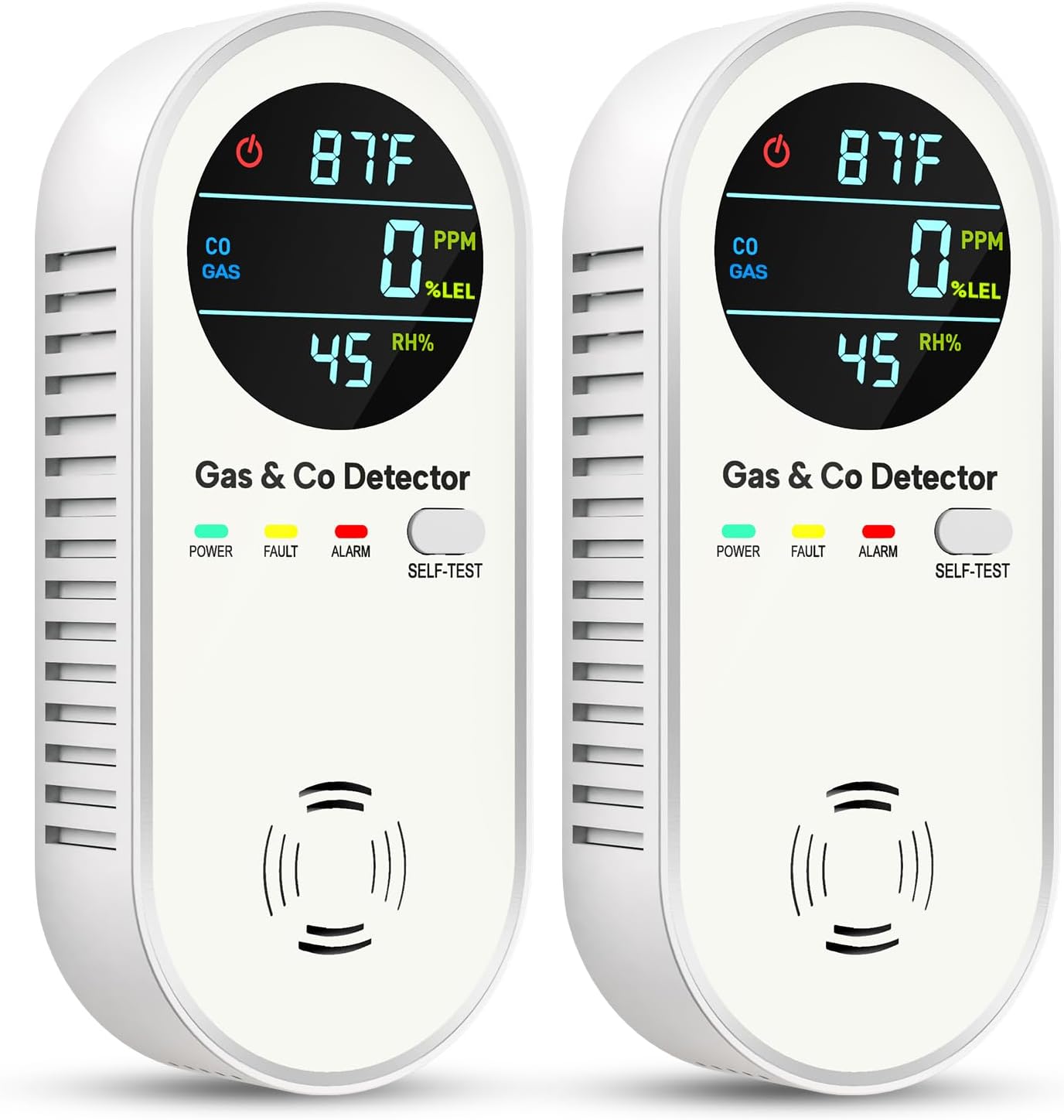
So, to detect this mischievous methane, you need a dedicated natural gas detector (often called a methane detector). These devices are specifically designed to sniff out CH4, usually triggering an alarm long before concentrations become truly hazardous. Pretty neat, huh? They’re your early warning system for a potentially explosive situation, giving you crucial time to ventilate and call for help.
So, What Does a CO2 Detector Do?
If your CO2 detector isn't on natural gas duty, what's its superpower? Well, it keeps an eye on carbon dioxide levels in your indoor environment. CO2 is a gas we produce naturally every time we exhale. It’s also a byproduct of burning fossil fuels, though not typically from your home furnace unless there’s a serious ventilation issue.
High CO2 levels aren't usually an immediate explosion risk like natural gas. Instead, they indicate poor ventilation. Imagine a stuffy room with too many people – that's often a high CO2 situation! Elevated CO2 can lead to drowsiness, headaches, and a general feeling of sluggishness. Over longer periods, particularly in poorly ventilated spaces, it can impact concentration and overall well-being. Think about those long meetings where everyone starts to yawn – CO2 might be the culprit!
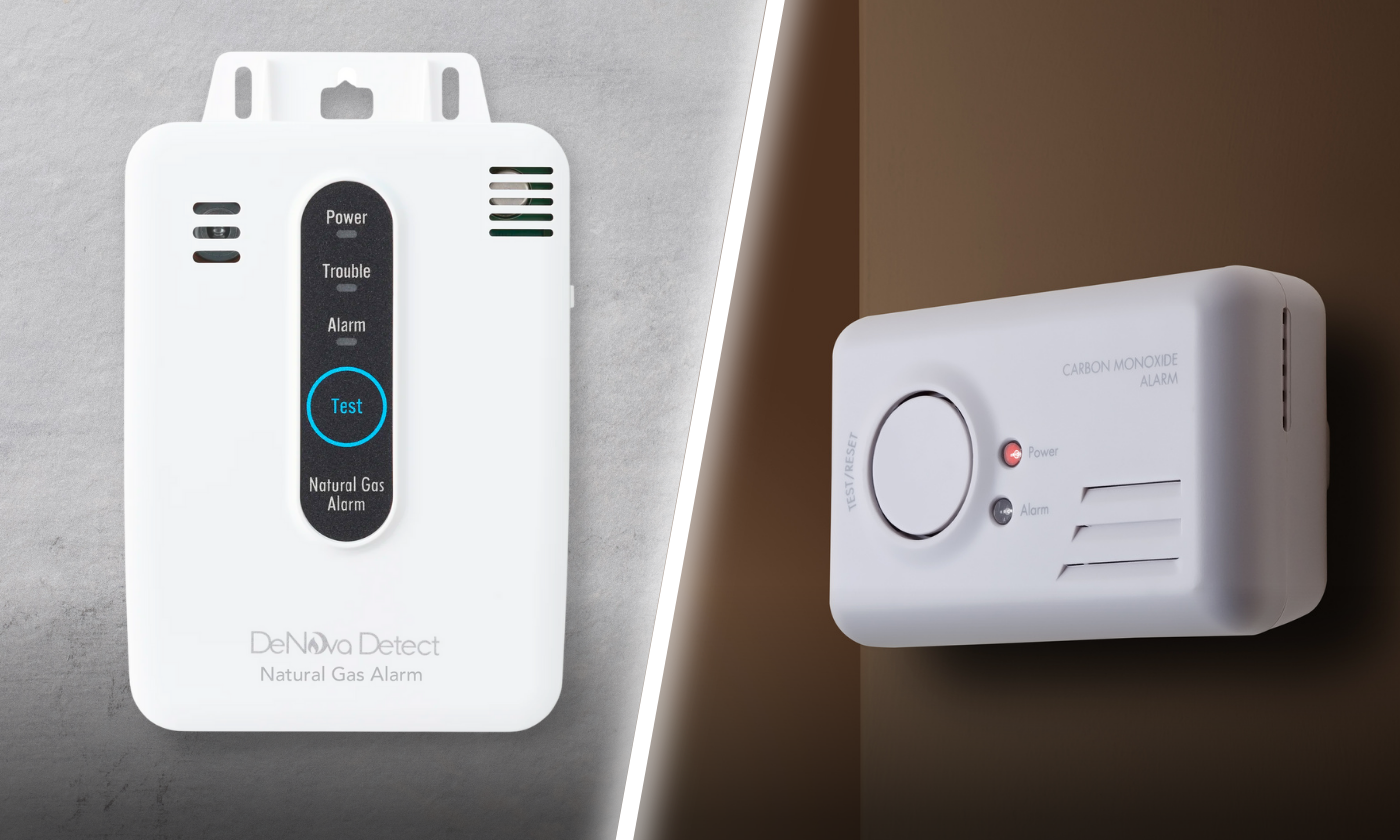
CO2 detectors are fantastic for monitoring indoor air quality. They're popular in offices, schools, and even homes where people are conscious about creating a healthy living space. They can also be crucial in specific environments like breweries or places with large-scale dry ice storage, where CO2 can accumulate to dangerous, suffocating levels without proper air circulation. So, while it's not looking for natural gas, a CO2 detector is doing vital work to ensure your air is fresh and breathable!
Why This Knowledge Is Your Superpower!
Knowing the difference between these detectors isn't just a fun trivia fact; it's about empowerment and peace of mind. When you understand what each device is designed to do, you can make informed choices about your home safety. You won't waste time or energy worrying that your CO2 detector isn't doing double duty for gas leaks, because you'll know exactly what to look for and what each device protects against.

It's like being a mini-expert in your own home! You can confidently check that you have the right kind of detectors in the right places: a smoke detector near sleeping areas, a carbon monoxide (CO) detector near fuel-burning appliances (another important gas, often confused with CO2!), and yes, a dedicated natural gas detector wherever you have gas appliances. Feeling safe and secure in your own space? That's a huge win!
So, the next time you glance at one of those little safety gadgets, instead of confusion, you'll feel a tiny spark of understanding. You'll know that each one has its specific, vital role in keeping your home a happy, healthy, and hazard-free haven. Isn't it wonderful how a little bit of knowledge can transform a simple piece of tech into a source of confidence and calm?
Keep that curiosity burning! The more we understand the world around us, from the air we breathe to the gadgets that protect us, the more fun and fulfilling life becomes. So go ahead, be inspired to learn more about the incredible science that makes our homes safer and smarter every day. Your brain (and your peace of mind!) will thank you for it!