
Do You Pay Electricity In An Apartment

Hey there, my friend! Grab a mug, settle in. We need to chat about something super relatable, super confusing, and honestly, a little bit terrifying when you're navigating the apartment world: electricity bills. It’s like one of those adulting mysteries, right? Like, do you actually pay for that glowing power that fuels your Netflix binges and keeps your phone charged? Or is it just… magic?
Well, spoiler alert: for most apartments out there, especially the run-of-the-mill, individually-metered ones, the answer is a resounding, “Yep, you absolutely do!”
Seriously. It’s not just a myth. You’ll typically have your own meter, humming away (or silently judging your late-night snack raids) somewhere. This means you’ll be setting up an account directly with the local utility company. They send you a bill, you send them money. Simple, in theory, until you see the amount, right? Oof.
Must Read
It’s a direct relationship, just like you and your landlord, but this one is with the folks who keep your lights on. And trust me, it’s a bill you don’t want to ignore unless you fancy living by candlelight. Romantic for a night, less so for a month, you know?
But Wait! There Are Plot Twists!
Because life loves to throw curveballs, there are always exceptions to the rule. These are the rare birds, the unicorns of apartment living, where utilities might be included in your rent. Yeah, you heard me right. Sometimes, especially in older buildings, or smaller, multi-unit homes converted into apartments, a landlord might just decide to fold the electricity cost into your monthly rent payment.
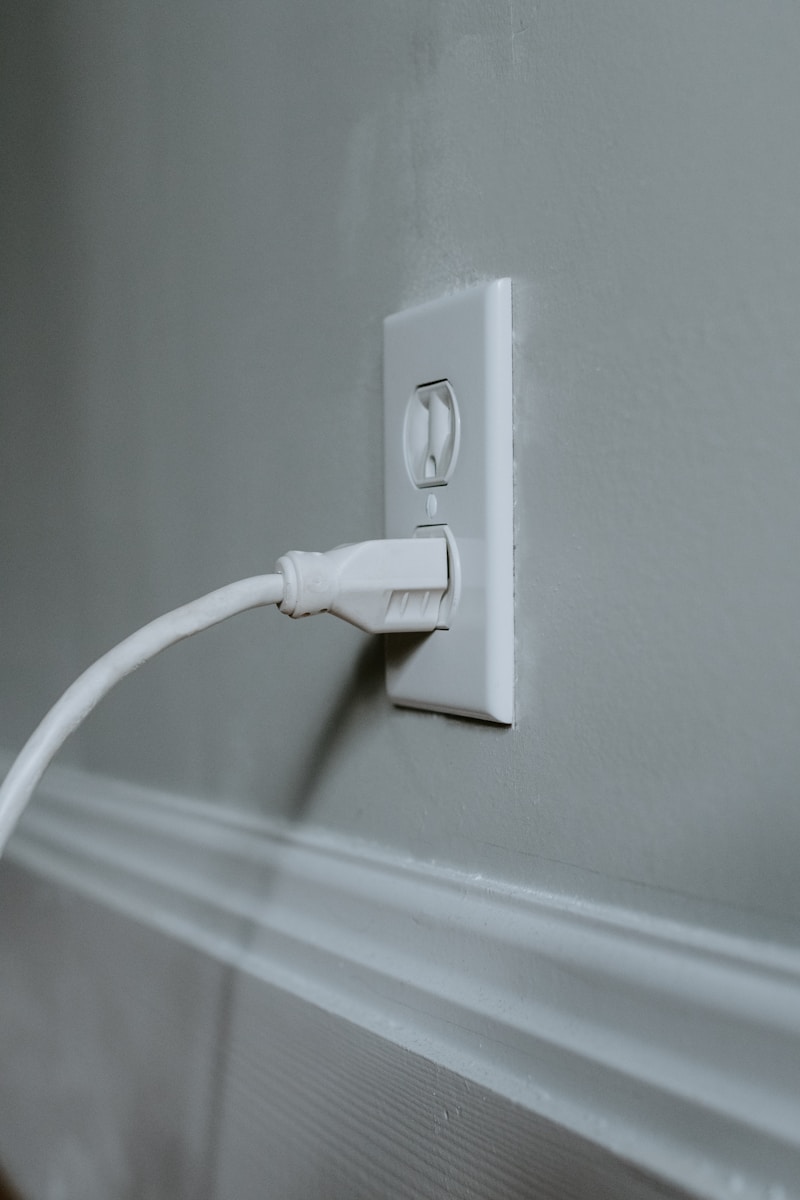
Why? Well, maybe it’s simpler for them to manage one big bill. Or perhaps the wiring is ancient, and individual metering would be a total nightmare. So, they just bake it into the rent price. It’s like a little bonus, but usually, the rent is just higher to cover it, so it’s not exactly "free" electricity. It’s just pre-paid, like an all-inclusive resort, but for your lights. Pretty neat, if you can find one, huh?
Then there’s the whole "sub-metering" or "shared utilities" thing. Super common in older, converted multi-unit homes. The landlord gets one enormous bill for the whole building, and then they figure out a way to split it among tenants. Sometimes it’s fair, based on estimated usage, or square footage. Sometimes it’s just a flat fee added on. This can be tricky because you're technically paying them, not the utility company directly. It’s like a game of “who used the most AC last month?” but without a scoreboard. Gulp.
And, of course, for things like corporate housing or short-term rentals (think those trendy Airbnb-style stays for a month or two)? Yeah, electricity is almost always bundled in. You’re paying for convenience, darling. So, no separate bill there. But that’s a whole other ballgame, right? Not your typical long-term lease situation.
Why Knowing This Upfront Is Your Superpower
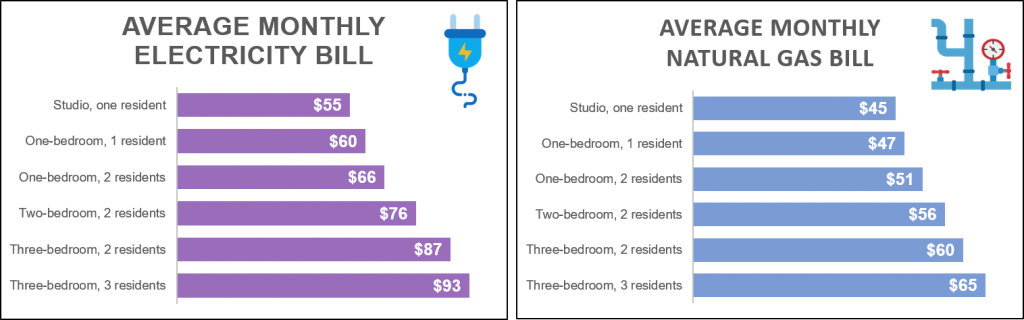
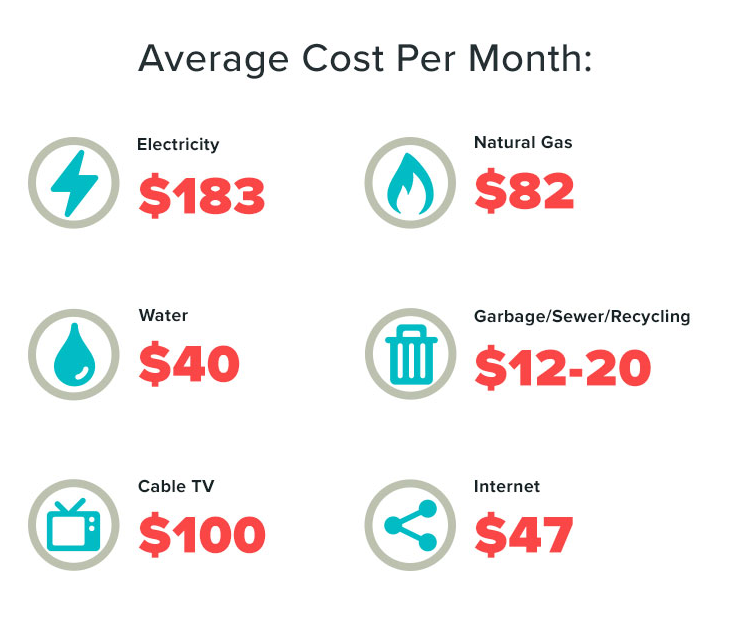
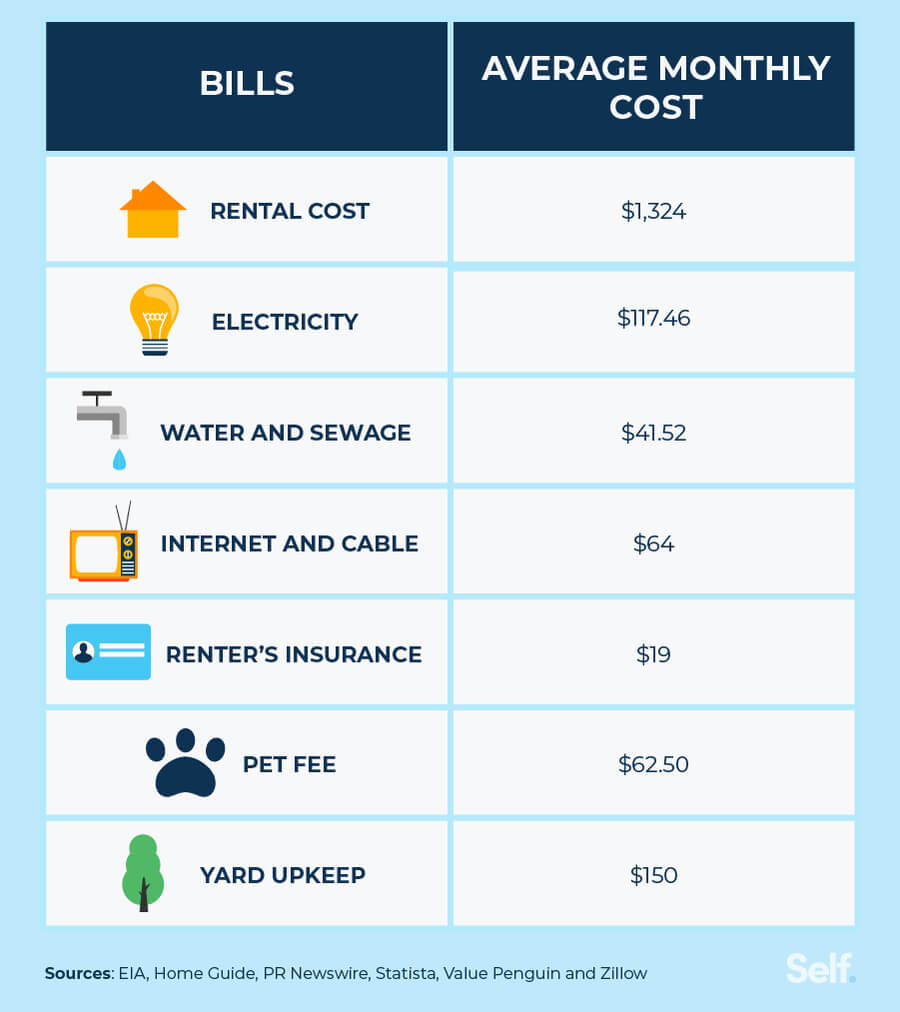
Seriously, understanding this before you sign anything is crucial. Imagine moving in, getting all settled, unpacking your favorite mug, and then BAM! A surprise electricity bill lands in your inbox that makes your eyes water. Not cool. That totally messes with your budget. And let's be real, budgeting is already like trying to herd cats while juggling flaming torches. Knowing if electricity is extra helps you plan, save, and not have a mini heart attack every time the lights flicker or you turn on the oven. Avoid the shock, literally!
How to Be an Apartment Detective (aka, How to Find Out)
So, how do you solve this mystery? Because you need to know. The number one, most important, can’t-stress-this-enough step is to read your lease agreement. Like, every single word. It will spell out exactly what you're responsible for. It usually has a whole section on utilities. If it’s silent on electricity, that's a red flag waving vigorously in your face. Don't ignore it! Ask!
And speaking of asking, don't be shy! Before you sign a single document, grill the landlord or the leasing office. Ask: "Is electricity included in the rent?" "If not, who do I set up an account with?" "What's the average bill here in the summer/winter?" Ask it all! They've heard it before. This isn't your first rodeo, right?
If you can, try to chat up a current or even a former tenant. They are the real MVPs here. They'll give you the lowdown, the honest truth, maybe even some juicy details about how much their bill usually runs. Insider info is pure gold, my friend. Don't underestimate the power of a friendly "Hey, neighbor!"
You can also do a quick visual check. Look for individual electricity meters outside your unit or for a centralized meter room. If there's just one meter for an entire building, that's a clue that things might be shared or included. It’s like being an apartment detective, but with less trench coat and more curiosity!
Smart Moves to Save Energy (and Your Wallet)
Okay, so let's say you do pay it directly. Which, again, is most likely. Don't despair! You’re in control. Little things make a big difference. Remember those phantom power suckers? Unplug those chargers, coffee makers, toasters, anything with a blinking light or a little glowing clock. They silently sip electricity even when off! It’s sneaky, but you can outsmart them!
Switch to LED light bulbs if you haven't already. Seriously, it's a game-changer. They last forever and use barely any power. And maybe invest in a smart thermostat? They learn your habits and can save you money without you even thinking about it. Fancy, huh? Even sealing up drafty windows with weatherstripping or those temporary plastic kits can make a surprising difference. Every little bit helps your wallet stay a little fatter, and who doesn't want that?
So, to wrap it up, nine times out of ten, yes, you’ll be paying for electricity in your apartment. But don't let it be a nasty surprise! Be proactive, ask questions, read the fine print, and then be smart about your usage. It's all part of the grand adventure of adulting and apartment living. Now, about that coffee refill…?