
Do Wired Smoke Detectors Need Batteries

Ever woken up in the middle of the night to that infuriating, intermittent chirp? You know the sound. It's the sound of a tiny bird trapped in your ceiling, slowly driving you mad. For many of us, this little symphony of annoyance often comes from our smoke detectors. And then the big question pops into our heads: "Wait, my smoke detector is wired. Does it even need batteries?"
It's a fantastic question, and one that trips up more people than you might think! It feels like a riddle, doesn't it? You see those wires disappearing into the ceiling, clearly connected to your home's electricity. Logic dictates that it’s powered by the house, right? No need for extra little power packs. Well, prepare for a charming little plot twist!
Think of your wired smoke detector like a superstar main act on a big stage. It gets its primary power, its spotlight, from your home's electrical system. It's always 'on,' always ready, as long as the electricity is flowing. This setup is brilliant because it means you usually don’t have to worry about constantly swapping out batteries under normal conditions.
Must Read
The Secret Life of Batteries in Wired Detectors
Here’s where it gets interesting, and why that little chirp sometimes makes an appearance. While your wired detector is mostly powered by your house, it has a secret weapon, a backup plan: a battery backup. This isn't just a quirky feature; it's a critical component, like a superhero's emergency gadget.
"Why the battery backup? What's the big deal?"
Imagine a stormy night. The wind howls, lightning flashes, and suddenly—poof! Your lights go out. The whole neighborhood is dark. If your smoke detector relied only on your home's electricity, it would go quiet too. And that's precisely when a fire could start, unseen and unheard. That’s where the trusty battery backup steps in.

It’s there for those moments when the main power supply goes kaput. It's the silent guardian that ensures your smoke detector stays vigilant, even in a blackout. It’s like having an emergency generator just for your safety system. Pretty clever, right?
That Annoying Chirp: A Call for Help!
So, when your wired detector starts its chirping chorus, it's almost always that little backup battery trying to tell you something. It’s not trying to annoy you (though it often succeeds!). It's simply saying, "Hey! My power is running low! My shift is almost over! Please change me!" Consider it a friendly, if persistent, reminder from your home's safety guardian.
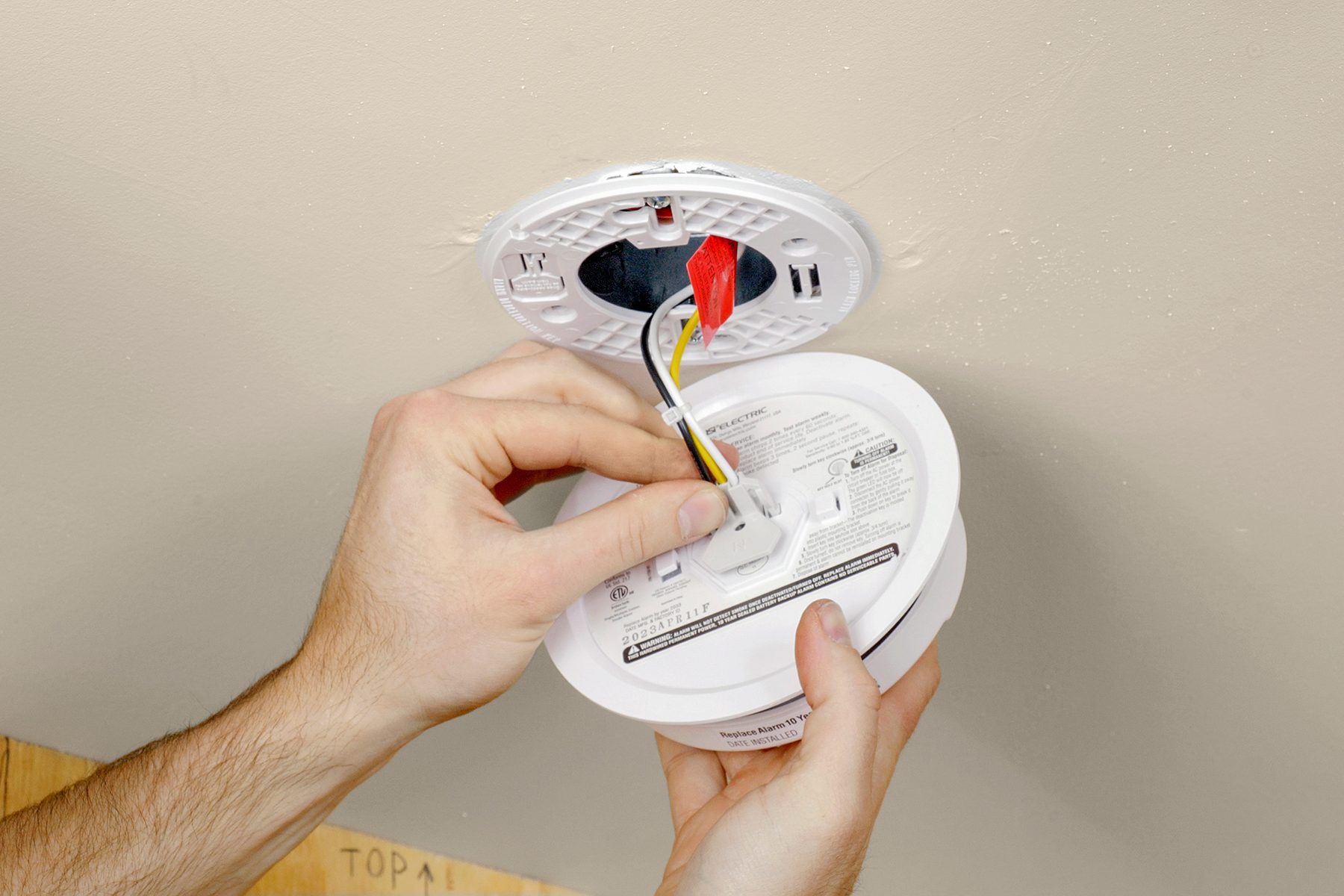
Typically, these batteries are 9-volt, AA, or AAA. They’re easy to find and usually simple to replace. You just unclip the detector from its base (a gentle twist usually does it), pop open the battery compartment, swap it out, and clip it back into place. Voila! Silence restored, and more importantly, your detector is back to full alert status.
Making Sure Your Home is Safe (It's Easy!)
Here’s what you can do to make sure your wired detectors are always ready:
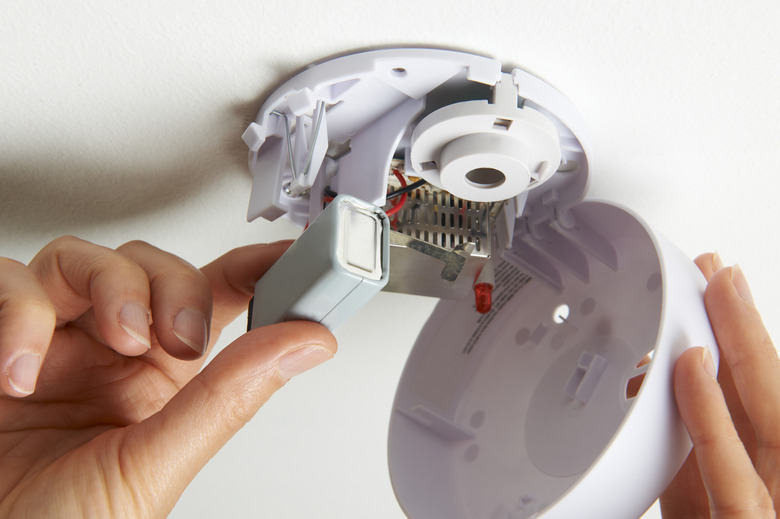
- Check the batteries annually: Even if they don't chirp, it's a good idea to swap out the backup batteries at least once a year. A common tip is to do it when you change your clocks for daylight saving time.
- Test them monthly: Most detectors have a little 'test' button. Push it! You should hear a loud alarm. This confirms the detector itself is working and that the battery backup has enough juice for the alarm.
- Know their expiration date: Did you know smoke detectors have an expiration date? It's true! They usually last about ten years. After that, they become less reliable. Look for a date stamped on the back. If it’s past its prime, it’s time for a new one, wires and all.
It’s a tiny bit of maintenance that goes a huge way in keeping your loved ones safe. That little battery, quietly doing its job, is an unsung hero in your home's defense system. So, the next time you hear that chirp, don't just get annoyed. Think of it as a crucial message, a friendly heads-up from your vigilant wired smoke detector.
Now that you know the secret, go forth and conquer those chirps! Your peace of mind (and your ears!) will thank you. Maybe even inspire your neighbors to check theirs too. Happy checking!
