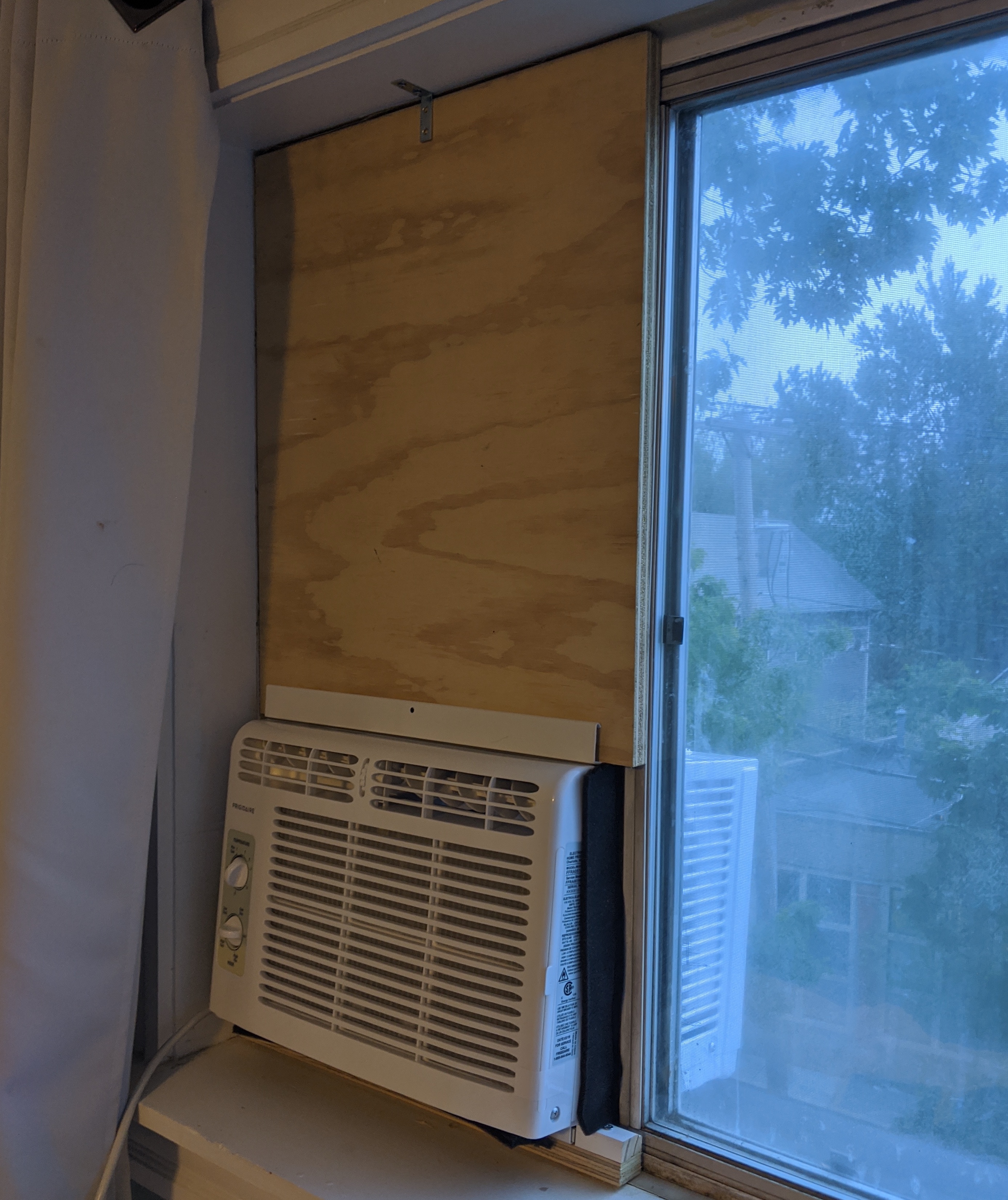
Do Window Air Conditioners Have To Be In A Window

Okay, let's talk about window air conditioners. We all know them, right? Those trusty (or sometimes not-so-trusty) boxes that blast cool air into our sweltering rooms during the summer. But have you ever stopped to think... do they really need to be in a window? Or are we all just blindly following some ancient AC rulebook?
The short answer? Well, it's a bit of a "yes, but..." kind of situation. Stick with me, and I'll explain without getting too technical. Think of it like this: you could technically eat spaghetti with a spoon, but a fork is just so much more efficient, right?
The Window Conundrum: Why the Window?
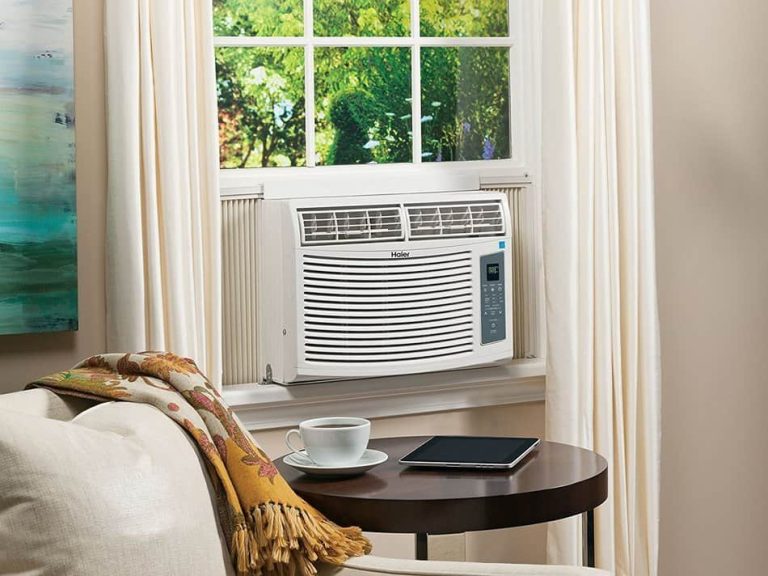
The main reason window air conditioners are… well, window air conditioners, is all about exhaust. See, when your AC is working its magic, cooling down the air inside, it's also producing a lot of hot air. This hot air needs to go somewhere. And that "somewhere" is… outside.
Must Read
Imagine trying to cool your room while simultaneously blasting a hairdryer on full heat. Not exactly a winning strategy, is it? That's essentially what you'd be doing if you didn't vent the hot air from your AC unit outside. Windows provide that perfect escape route.
Think of it as your AC needing to breathe. It sucks in the room air, cools it, and then exhales the hot air through the back. A window offers that essential ventilation.
So, Are Windows Absolutely Mandatory?
Now, here's where the "but..." part comes in. No, a window isn't absolutely the only option, though it's usually the easiest and most common. There are alternative setups, but they require a bit more effort and might not be suitable for everyone.
Portable air conditioners are the most common alternative. These are essentially window ACs on wheels. They still need to vent hot air outside, but instead of sitting directly in a window, they use a hose that you can typically attach to a window. Think of it like a flexible exhaust pipe for your AC.
However, even with a portable AC, you'll still need to deal with the window situation. Usually, they come with a panel that fits into your window opening, with a hole for the exhaust hose. This prevents the hot outside air from sneaking back into your room and undoing all your hard work.
Beyond Windows: Walls and More Creative Options
Technically, you could vent a window AC through a wall using specialized kits and ductwork, but this is a much more involved process. We're talking about cutting holes in walls, proper sealing, and potentially needing professional help. It's like upgrading from instant ramen to a Michelin-star meal – a lot more effort involved!
I once knew someone who swore they vented their portable AC through a dryer vent. While it might work in a pinch (and I emphasize might), it's generally not recommended. Dryer vents are designed for specific types of airflow and lint, and you could potentially damage your AC or dryer.

Why Should You Even Care?
Okay, so why does all this matter? Besides avoiding a sweaty summer of misery, understanding how your AC works can save you money and energy. Here's why you should care:
- Efficiency: Proper venting means your AC works more efficiently, cooling your room faster and using less energy. Lower energy bills? Yes, please!
- Lifespan: Overworking your AC because it's not properly vented can shorten its lifespan. Nobody wants to buy a new AC every year!
- Comfort: Let's be honest, the main reason we all want air conditioning is for that sweet, sweet relief from the heat. Proper venting ensures you get the maximum cooling power.
The Takeaway: Windows are Convenient, But Not Always Necessary
So, to recap: while "window" air conditioners are designed for windows due to the need for exhaust, they aren't strictly confined to them. Portable ACs offer a flexible alternative, and even wall venting is possible (though a bit extreme). The key is to understand the fundamental principle: hot air must go out. Otherwise, you're just fighting a losing battle against the summer heat. And who wants to lose to the summer heat?
Ultimately, the best option for you depends on your living situation, budget, and how much DIY effort you're willing to put in. But now, at least, you know you have options! So go forth and conquer the heat, my friends!