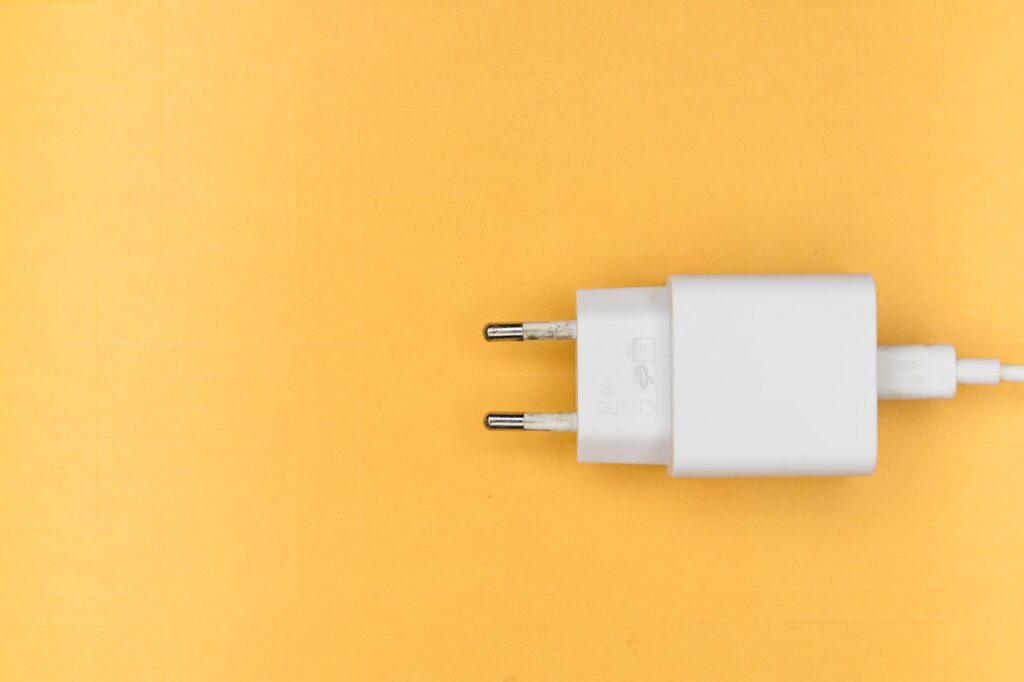
Do Phone Chargers Use Power When Not Charging
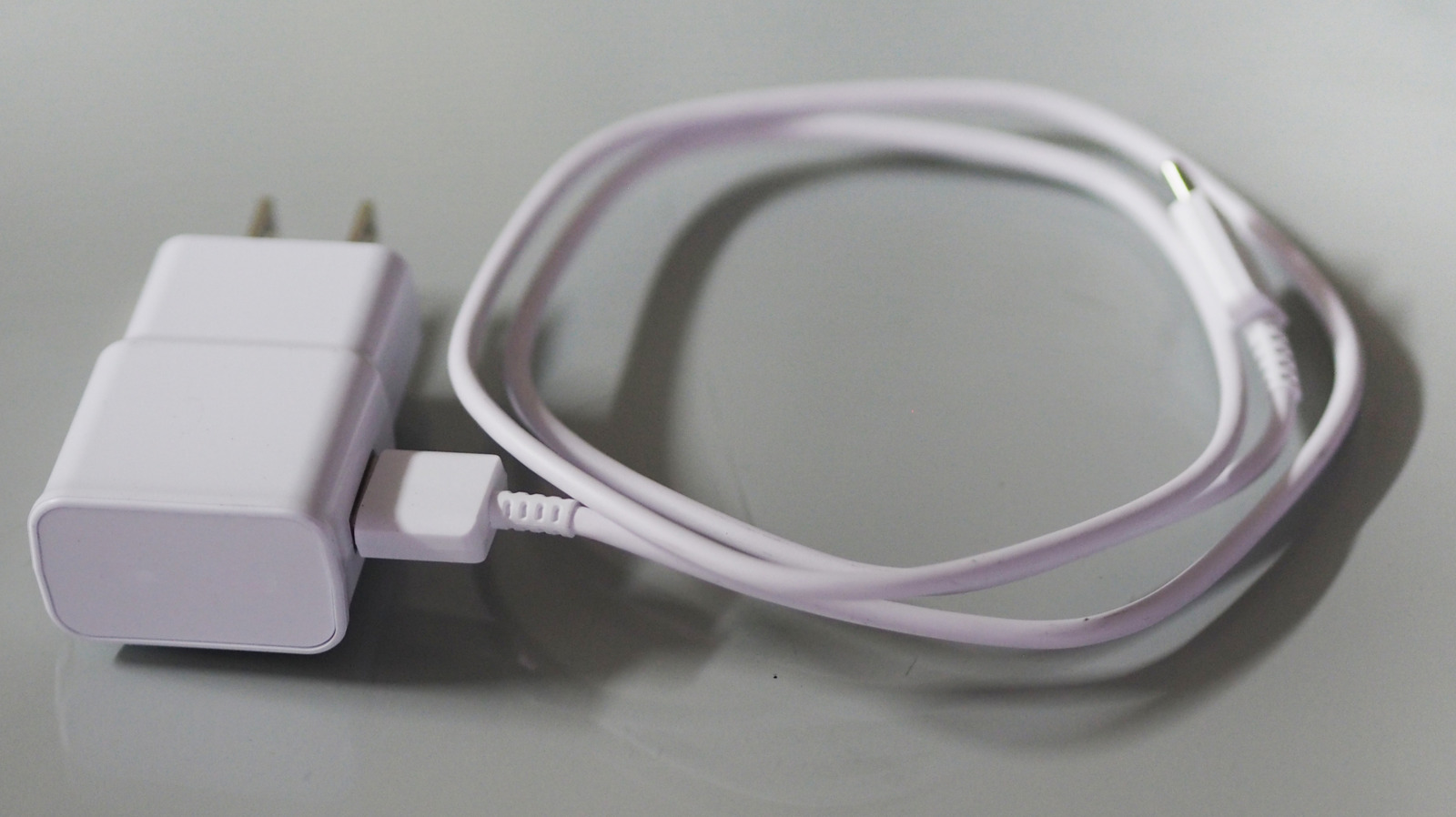
Let's face it, we're all hopelessly attached to our phones. They're our lifelines, our entertainment centers, our mini-computers that fit snugly in our pockets. And what powers these pocket-sized wonders? The humble phone charger, of course! We plug them in daily, sometimes multiple times a day, barely giving them a second thought. But have you ever wondered what happens to that little brick of plastic and metal when it's plugged into the wall, but not connected to your phone? Does it sit there, silently sipping electricity, even when it's not actively charging?
Our reliance on phone chargers is a testament to their vital role in modern life. They keep us connected, informed, and entertained. Think about it: they fuel our ability to navigate with GPS, video chat with loved ones across the globe, capture memories with high-resolution cameras, and access a world of information with a few taps on a screen. They're the unsung heroes of our digital age, ensuring our devices are ready to go whenever and wherever we need them.
You see them everywhere: the standard USB charger for your Android device, the Lightning cable for your iPhone, the wireless charging pad on your desk. They're ubiquitous, practically invisible, yet utterly essential. We use them at home, at work, in coffee shops, and even in our cars. They've become so ingrained in our daily routines that we often take them for granted... until our battery dips below 20%!
Must Read
So, back to the burning question: is your charger a sneaky energy vampire when it's not actually charging? The answer, thankfully, is a bit more nuanced than a simple yes or no. Modern chargers are designed to be relatively energy-efficient, even when idle. However, they do still draw a small amount of power, often referred to as "vampire power" or "phantom load." This is because the internal components of the charger are still active, ready to spring into action the moment you plug in your phone.
While the amount of electricity a single charger uses while idle is relatively small, it can add up over time, especially if you have multiple chargers plugged in throughout your house. Think about your laptop charger, your tablet charger, your smartwatch charger... that "phantom load" can contribute to a noticeable increase in your electricity bill. It also contributes to overall energy consumption on a larger scale.
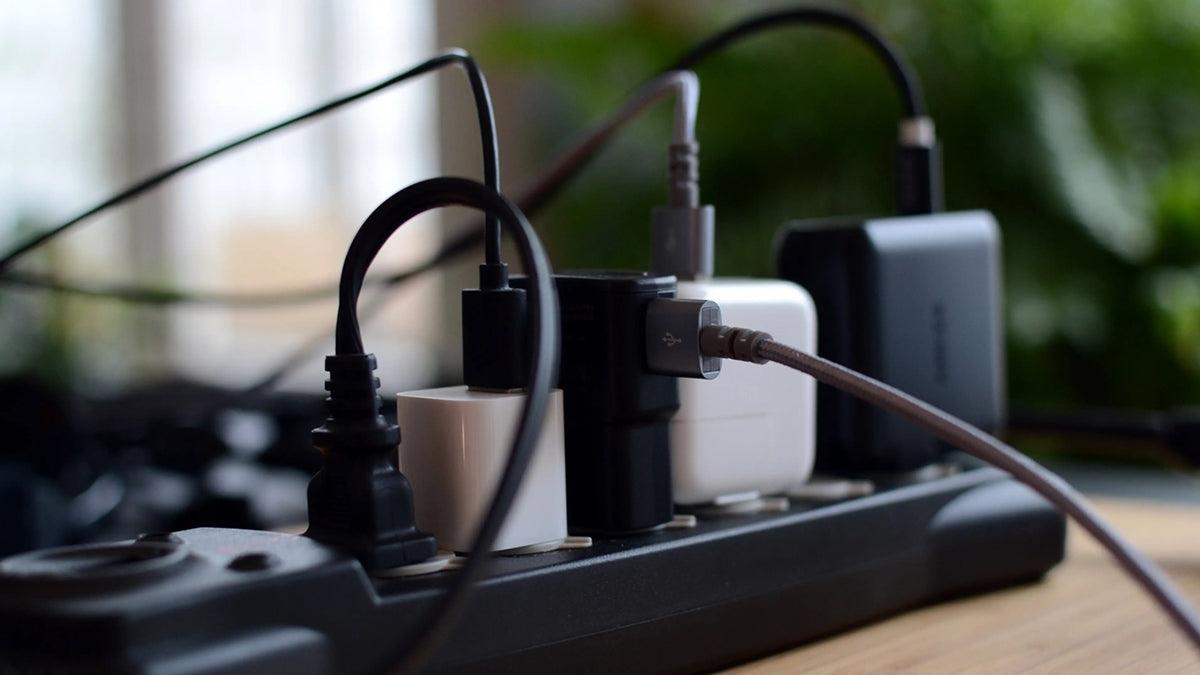
So, what can you do to be a more energy-conscious charger user? Here are a few practical tips:
- Unplug your chargers when they're not in use. This is the simplest and most effective way to eliminate vampire power completely.
- Use a power strip with an on/off switch. This allows you to easily turn off multiple chargers at once.
- Consider using smart power strips that automatically detect when devices are fully charged and cut off power to the outlets.
- Invest in energy-efficient chargers that are designed to minimize phantom load. Look for chargers with a high energy-efficiency rating.
- When buying new chargers, opt for multi-port chargers. This reduces the overall number of chargers you need plugged into the wall.
By implementing these simple tips, you can not only save a little money on your electricity bill but also contribute to a more sustainable future. So, next time you unplug your phone, take a moment to unplug your charger too. Your wallet and the planet will thank you!