Do New Windows Help With Heat
Ever found yourself squinting at a thermometer inside your house on a sweltering summer day, wondering if your air conditioner is staging a quiet rebellion? Or perhaps you've shivered near a drafty window in winter, dreaming of a warmer, cozier existence. If so, you've likely asked the age-old question that many homeowners ponder: "Do new windows really help with heat?" It’s a fantastic question, not just for the sake of comfort, but also for your wallet and the planet. Let’s dive into this curious topic and uncover what lies behind the glass.
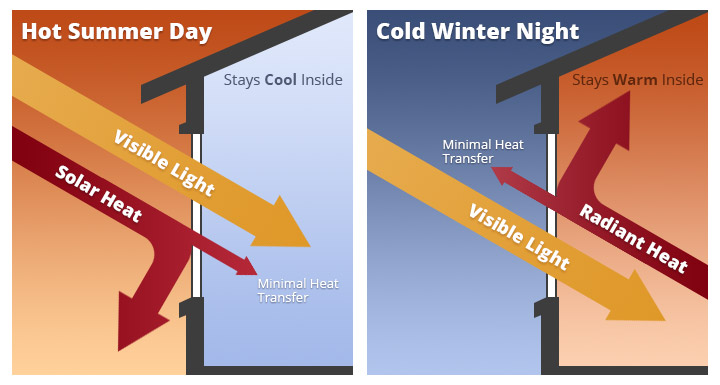
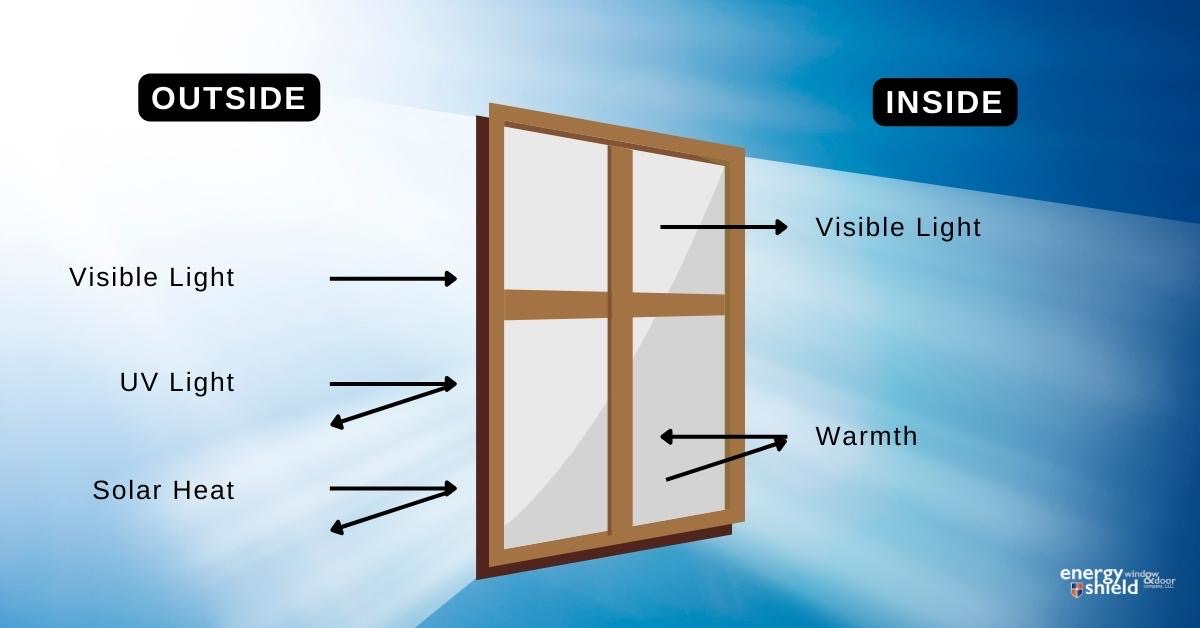
At its heart, the purpose of modern windows isn't just to let light in and keep the rain out. Their primary mission, especially when it comes to heat, is to act as a sophisticated barrier. Think of your old single-pane windows as a wide-open door to the elements. Heat easily transfers in during summer and escapes just as readily in winter. New windows, however, are designed with energy efficiency in mind. They aim to minimize this heat transfer through various ingenious methods.
The benefits are tangible and plentiful. Firstly, and most obviously, they can significantly reduce your energy bills. By keeping the heat out when it's hot and in when it's cold, your HVAC system doesn't have to work nearly as hard. This translates directly into lower monthly costs. Beyond savings, there’s the immense benefit of improved indoor comfort. No more hot spots near windows in summer, or chilly drafts in winter. Your home becomes a more uniformly pleasant environment. Another often-overlooked perk is UV protection. Many modern windows come with special coatings that block harmful ultraviolet rays, protecting your furniture, flooring, and artwork from fading. Plus, they can even offer better noise reduction, making your home a peaceful sanctuary.
Must Read
So, how does this knowledge apply in daily life? For homeowners, understanding window technology is crucial when considering renovations. You’ll hear terms like double-pane or triple-pane glass, referring to multiple layers of glass with insulating gas (like argon) sealed between them. You’ll also encounter Low-E coatings (low-emissivity), which are microscopically thin, transparent metal layers that reflect infrared light (heat) while letting visible light pass through. This is key to keeping summer heat out and winter heat in. Knowing these terms empowers you to make informed decisions, choosing windows that are right for your climate and budget, rather than just picking the prettiest frame. Even renters can benefit by understanding why some apartments are ovens in summer and iceboxes in winter – often it comes down to the quality of the windows.
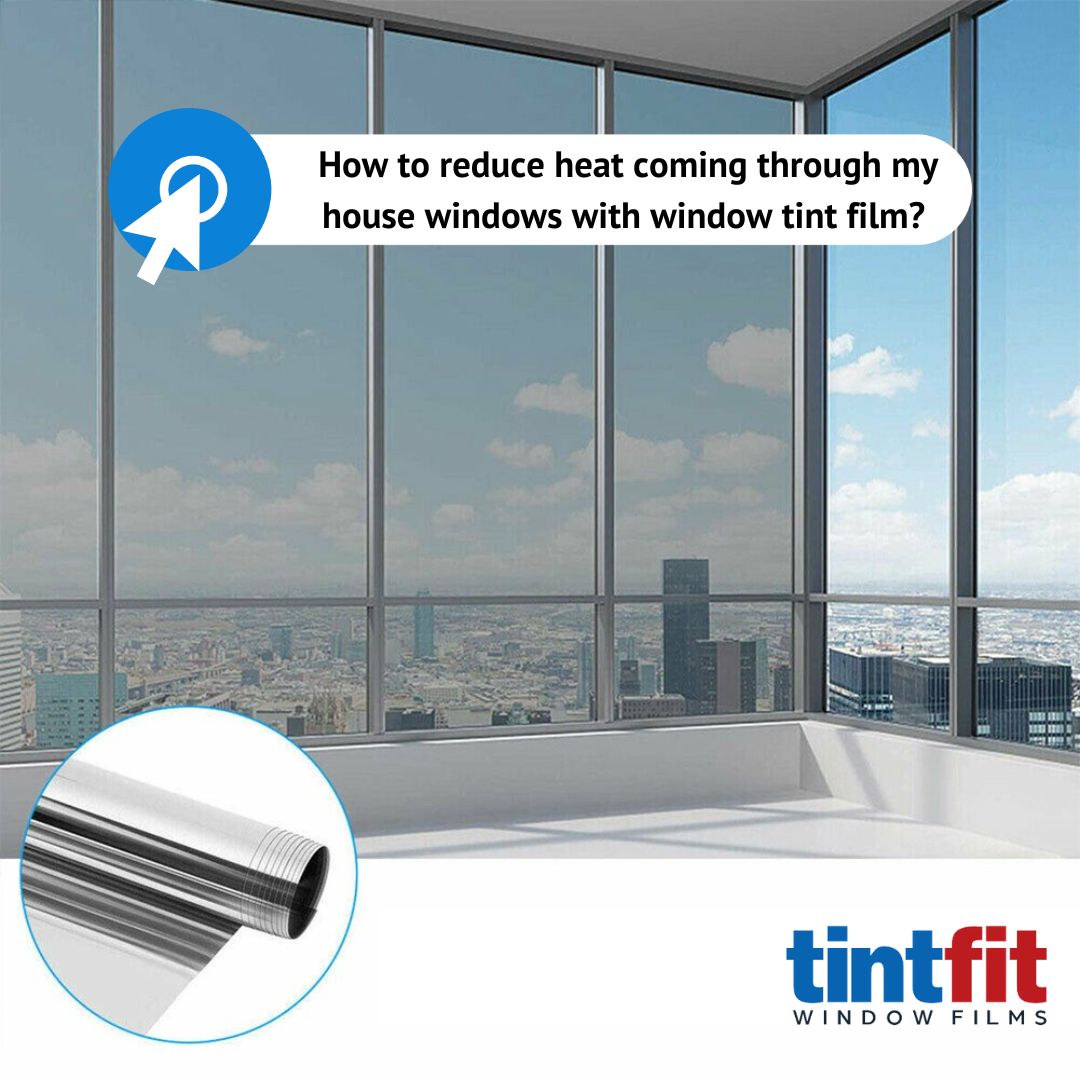
Ready to do a little detective work in your own home? Here are some simple ways to explore this topic. On a hot day, carefully touch your existing window glass – is it significantly warmer than the indoor air? That's a clear sign of heat transfer. You can also feel for drafts around the edges. For practical tips, consider some less drastic steps before jumping to full replacement: installing reflective window films can offer immediate, albeit temporary, heat reflection. Heavy curtains or blinds can also make a noticeable difference. For a deeper dive, research your local utility company for potential rebates on energy-efficient windows, or even consider a professional home energy audit. They can pinpoint exactly where your home is losing or gaining heat, giving you a clear roadmap to a more comfortable and efficient living space. The journey to a cooler summer and warmer winter might just start with a look out your window!