
Do Lights Make A Room Hotter

Hey there, comfort-seeker! Ever walked into a room, flicked on all the lights, and then thought, "Is it just me, or did it suddenly get a smidge toastier in here?" You're not alone, my friend. It's a question that's probably crossed many minds, especially when you're already sweating buckets in the summer and every little bit of heat feels like a personal attack.
So, let's dive into the great debate: do lights make a room hotter? Or is it just a figment of our heat-addled imaginations?
The Big Reveal (Spoiler Alert!)
Alright, let's cut straight to the chase because I know you're on the edge of your seat (or perhaps just melting into it). The answer is a resounding... YES!
Must Read
Gasp! Shock! Horror! Okay, maybe not that dramatic. But yes, your humble light bulbs, in their quest to illuminate your life, also contribute a little bit to the room's temperature. Think of them as tiny, inefficient heaters with a side gig as light providers.
The Science-y Bit (But Make It Fun!)
Now, why does this happen? Well, it all comes down to energy, baby! When electricity zips into a light bulb, it doesn't magically transform into pure light. Oh no, that would be far too elegant for our universe. Instead, it gets converted into a couple of things: light, obviously, and — you guessed it — heat.
It’s like when you try to do too many things at once and end up just making a mess. The bulb is trying to make light, but a good chunk of that electrical energy just ends up vibrating the atoms inside, generating heat. It's an imperfect world, even for light bulbs!
Incandescent Bulbs: The Heat Hogs
Remember those old-school, traditional bulbs? The ones that glowed with a warm, comforting light and were surprisingly heavy? Those, my friend, were the undisputed champions of heat production. We're talking about incandescent bulbs here.
These little powerhouses were actually incredibly inefficient at making light. A whopping 90% of the energy they consumed was released as heat, with only about 10% actually turning into visible light. Ninety percent! That's less of a light source and more of a miniature sun you could hold in your hand. No wonder touching a lit one felt like a dare!
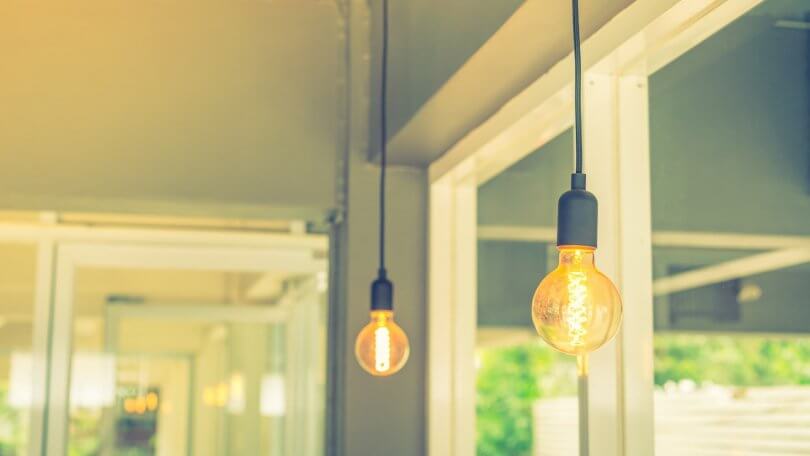
So, if your room felt like a sauna after a few hours of these glowing orbs, you weren't imagining things. You were experiencing a very real, very toasty phenomenon.
LEDs & CFLs: The Cool Kids on the Block
But fear not, modern minimalist! Technology has come to our rescue, thankfully. Enter the heroes of our story: LEDs (Light Emitting Diodes) and, to a lesser extent, CFLs (Compact Fluorescent Lamps).
These newer bulbs are like the cool, efficient overachievers of the lighting world. They convert far, far more of their energy into light and significantly less into heat. LEDs, especially, are the rockstars. They produce so little heat that you can often touch them even after they’ve been on for hours without risking a trip to the burn unit. (Though maybe don't lick them, just to be safe.)

Switching from incandescent to LED is one of the easiest ways to not only save on your electricity bill but also keep your living space a little less like a tropical rainforest. So if you're still rocking those old bulbs, consider it a friendly nudge to upgrade!
So, How Much Hotter Are We Talking?
Okay, let's be realistic. A single LED bulb isn't going to turn your arctic tundra of a bedroom into a desert oasis. The heat contribution from a single, modern bulb is often negligible in a larger, well-ventilated room.
However, if you have a lot of lights on in a small, enclosed space – especially if they're older, less efficient bulbs – the combined effect can absolutely be noticeable. Think about a theater stage with dozens of powerful lights. That's a serious heat situation right there!
.jpg)
For most of us, though, it's more about the collective effect and recognizing that every little bit of heat adds up, especially when you're trying to keep cool without cranking the AC to absurd levels.
The Warm, Fuzzy Conclusion
So, yes, lights do make a room hotter, to varying degrees depending on their type. But hey, don't let this newfound knowledge cast a shadow over your day! Instead, let it empower you to make smarter, cooler choices for your home. Maybe it's time to finally embrace those energy-efficient LEDs, not just for your wallet, but for your thermostat too!
Ultimately, lights are there to brighten our lives, chase away the shadows, and create cozy, inviting spaces. And even if they bring a tiny bit of warmth along with them, isn't that just another way they make our homes feel a little more... alive? So go ahead, flip that switch, enjoy the glow, and remember that sometimes, a little warmth (even from a bulb) can feel pretty good. Just maybe not in the middle of a July heatwave. 😉