
Do I Have Gas Or Electric Dryer
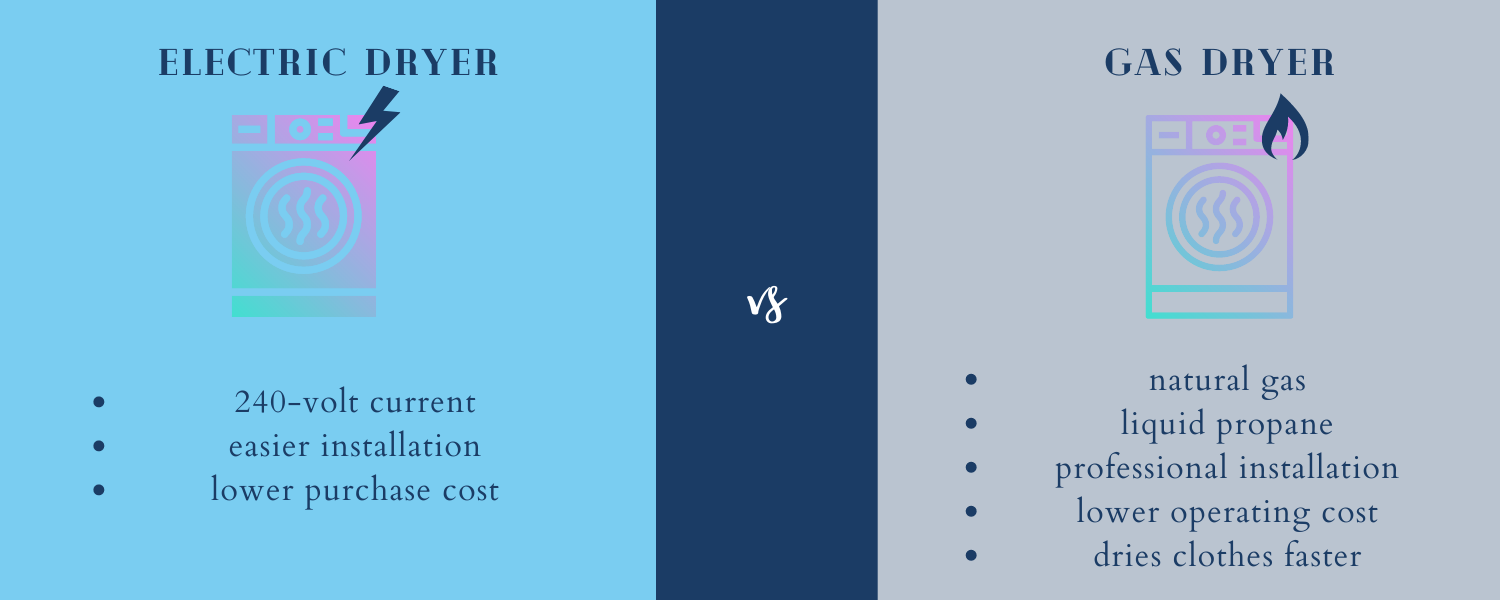
Alright, confession time! Have you ever stood in front of your dryer, mid-laundry crisis, and thought, "Wait a minute... is this thing running on good old electric juice, or is it getting its fiery spirit from natural gas?" It's a question that pops into our heads more often than you'd think, right up there with "Where did all my socks go?" Fear not, my fellow laundry adventurers! We're about to embark on a thrilling, super-easy quest to uncover your dryer's true power source. Grab your detective hats, because this is going to be fun!
The Case of the Electric Enthusiast
Let's kick things off with the most common suspect: the electric dryer. Think of it as the super-sized, muscle-bound cousin of your kitchen toaster. It needs a serious jolt of electricity to heat things up! The biggest, brightest clue for an electric dryer is its plug.
The Plug's the Clue!
If your dryer’s plug looks like it belongs to a mini-fridge that went to the gym and got buff, you’ve probably got an electric dryer on your hands.
We're talking about a big, chunky plug with either three or four prongs. It’s way beefier than the regular plugs you use for your phone charger or a lamp. Why so big? Because electric dryers demand a high-voltage outlet, usually 240 volts, to get those heating elements glowing. So, peek behind your dryer (carefully, of course!). Is there a robust, almost industrial-looking plug shoved into an equally robust wall outlet? Bingo! That’s your first sign.
Another dead giveaway? There’s no gas line in sight. Seriously, nothing that looks like a pipe leading to your dryer. No flexible yellow hose, no rigid black pipe. Just the big plug and maybe a vent hose doing its thing. If you don’t see any evidence of a gas connection, and you’ve got that monster plug, you can practically high-five yourself. You've cracked the code! Your machine is an electrical marvel, humming along on pure watts and volts, turning your wet towels into warm comfort.
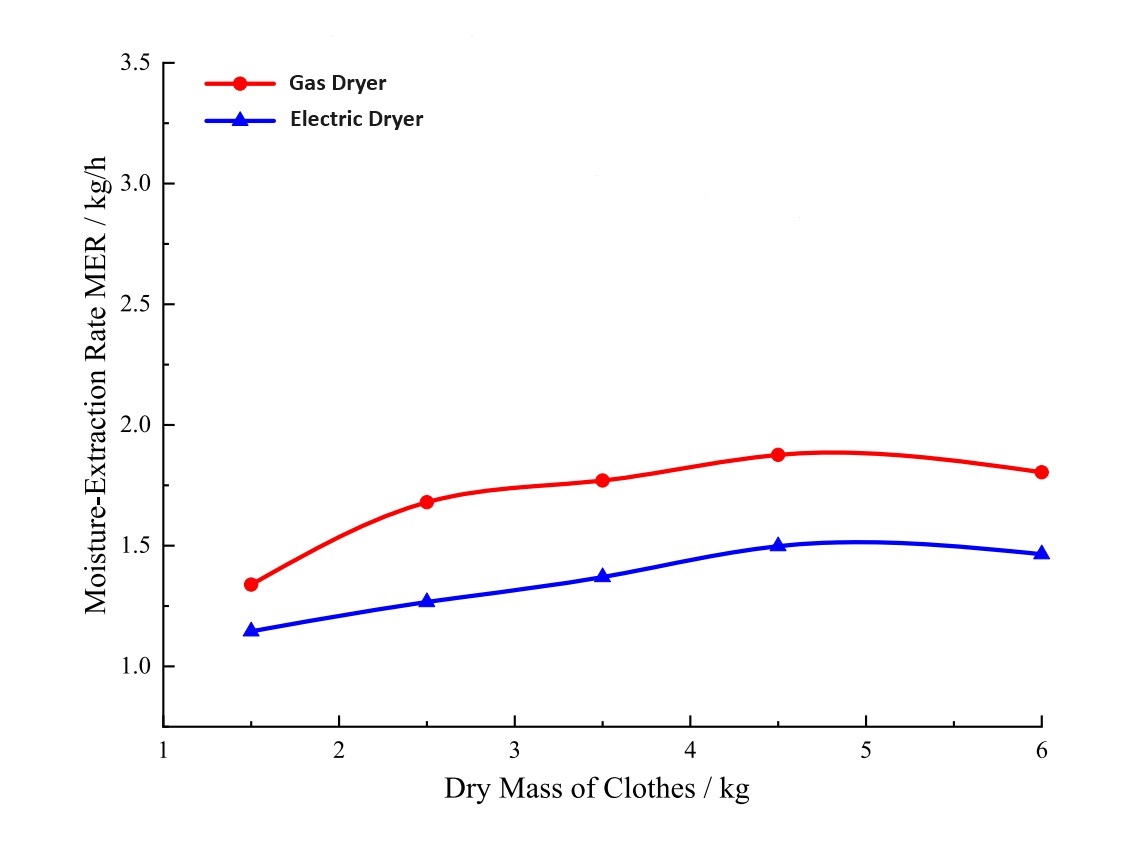
If you can plug it into an outlet that looks like it could power a small spaceship, you're rocking an electric dryer. Easy peasy!
The Mystery of the Gas-Powered Dynamo
Now, for the other side of the coin: the fabulous gas dryer. These machines use natural gas for heat, but still need a little electrical boost to get the party started. So, what’s our first clue here? Look for the gas line!

Follow the Line!
The tell-tale sign of a gas dryer is usually a flexible, corrugated yellow gas line snaking its way to the back of the unit, or sometimes a rigid black pipe.
This is the pipeline to your dryer's heat source, usually connected to a shut-off valve on the wall. If you spot this golden (or sometimes black) umbilical cord, you're 99% of the way there. That pipe isn't there for decoration; it's delivering the good stuff to get your clothes wonderfully toasty!
:max_bytes(150000):strip_icc()/gas-dryer-vs-electric-dryer-2146251_FINAL-5bbe54b846e0fb00511f28f4.png)
Now, here’s a fun twist: a gas dryer still needs electricity! But not for heating. It uses a standard 120-volt electrical outlet – yep, the same kind you plug your lamp into – to power the controls, the drum motor, and that little igniter that lights the gas. So, if you see a normal-sized, standard three-prong plug behind your dryer, AND you spot that gas line, then you, my friend, are the proud owner of a gas dryer. It's like having a tiny, super-safe furnace in your laundry room!
If you're still not totally sure, and you're feeling a bit adventurous (and your dryer is safely connected and working), listen closely when you start it up. A gas dryer will often have a distinctive "whoosh" sound a few moments after it starts, as the igniter clicks and the gas burner lights. You might even catch a faint, brief whiff of gas just before ignition, but it should dissipate immediately. It’s a subtle dance between electricity and gas, working together to give you perfectly dry clothes.
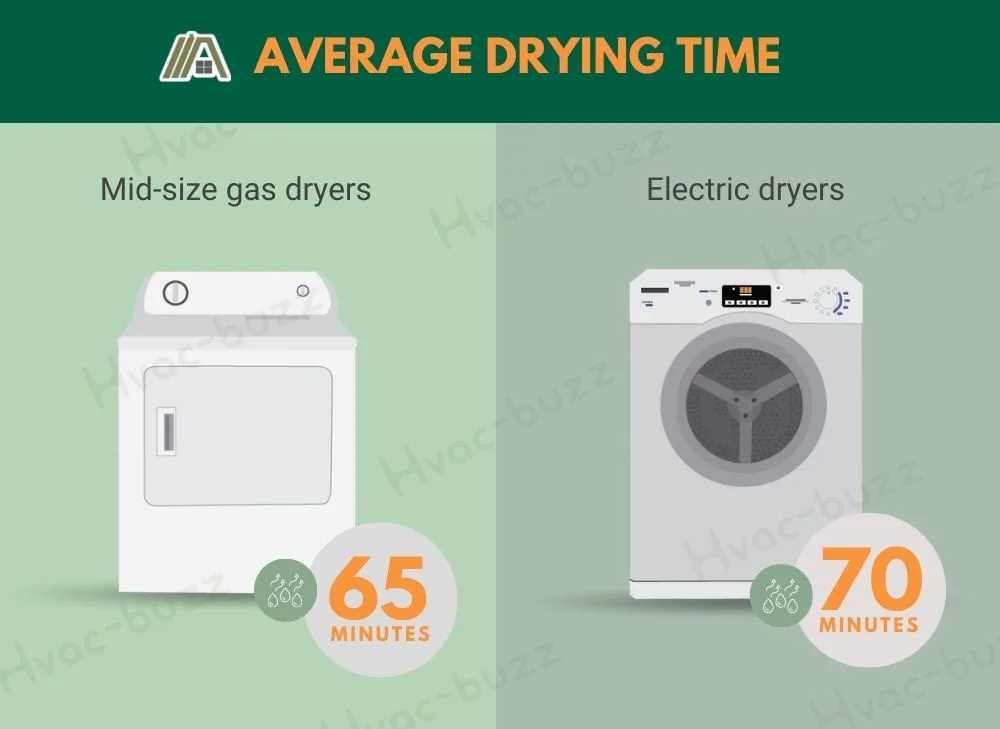
So, to recap the gas guzzler: standard plug PLUS gas line equals a gas dryer. Pretty straightforward, right?
The Grand Reveal: Why Even Bother?
Okay, so why is this crucial information, besides bragging rights? Well, knowing your dryer type is super important if you’re moving, buying a new dryer (because gas and electric models aren't interchangeable outlets-wise!), or even troubleshooting an issue. Plus, it makes you feel like a domestic superstar, mastering the hidden secrets of your household appliances!
Congratulations, you’ve just earned your honorary PhD in Dryer Power Source Identification! Go forth and confidently declare your dryer's allegiance – whether it's an electric powerhouse or a gas-powered gem. You're officially a laundry room detective, destined for perfectly dry bliss. You rock!