Do Hard Wired Smoke Detectors Go Bad
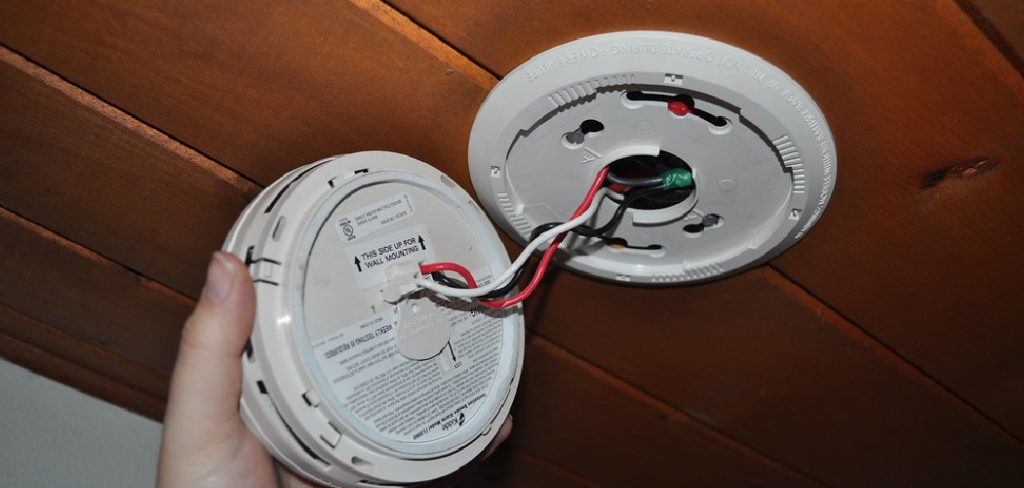
In the grand symphony of home comfort and security, some instruments play a quieter, yet profoundly critical, role. We're talking about those unassuming discs on our ceilings – the hardwired smoke detectors. Often installed during construction and then largely forgotten, these silent sentinels are much like the bedrock of a great painting or the foundational chords of a catchy tune. They're always there, working behind the scenes, offering a priceless sense of safety. But here’s the million-dollar question that often sparks a flicker of curiosity: do hardwired smoke detectors go bad?
For the uninitiated, the answer might be a shrug and a hope that "it's fine." But for the burgeoning home safety artist, the meticulous DIY hobbyist, or even the casual learner who simply enjoys understanding their living space better, knowing the truth about these devices is truly empowering. It’s not just about ticking a box; it’s about actively crafting a sanctuary. Understanding their lifespan and maintenance transforms you from a passive occupant into an active guardian of your home. You're not just living in a house; you're curating a safe environment, much like an artist selecting the perfect shade or a musician tuning their instrument to perfection.
So, do they go bad? The definitive, resounding answer is YES, they absolutely do! It’s a common misconception that because they’re hardwired and drawing constant power, they’re somehow immortal. Think of it like a finely tuned engine; even if it runs on a continuous fuel supply, its components will eventually wear out. Smoke detectors, whether battery-operated or hardwired, have a limited lifespan. Typically, manufacturers recommend replacing them every 10 years. This isn't just a suggestion; it’s a critical guideline. Over time, their internal sensing chambers can accumulate dust, degrade electronically, or simply become less sensitive to smoke particles. You might have different "styles" in your home – ionization detectors (better for fast-flaming fires) or photoelectric detectors (better for slow, smoldering fires) – but regardless of their specific sensing mechanism, they all fall prey to the relentless march of time. Even the subjects they detect, like different types of smoke, become harder to register accurately as the device ages.
Must Read
Ready to put on your home safety hat and become an expert? Here are some simple tips for "trying it at home":
- Locate Them All: Do a full sweep of your home. Kitchen, bedrooms, hallways, basement – make sure you know where every detector is.
- Check the Date: Look for a manufacturing or expiration date on the back of each unit. If it's over 10 years old, it's time for a replacement. Even if it seems to be working, its reliability diminishes significantly.
- Press the Test Button: Do this monthly! A working test button doesn't guarantee full functionality, but a silent one is a clear red flag.
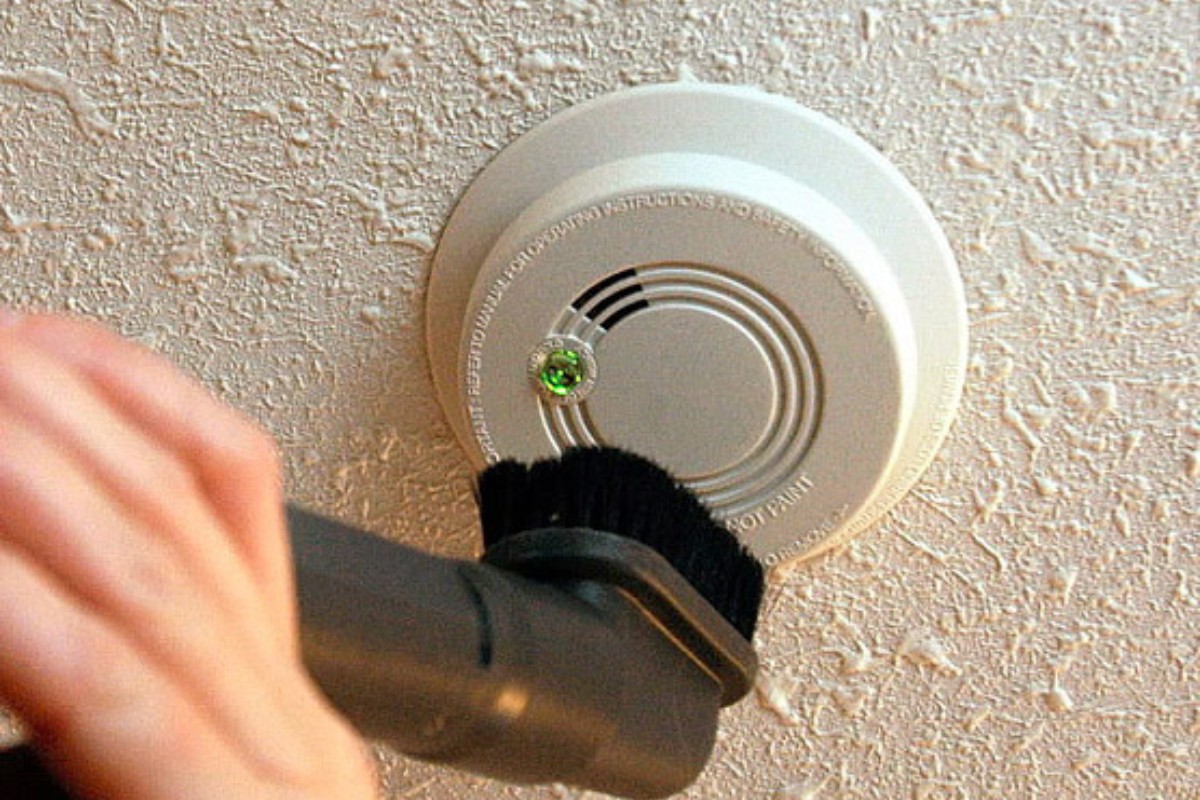
- Vacuum Gently: Lightly vacuum around the vents of your detectors every few months to remove dust and cobwebs, which can interfere with their sensing ability.
- Have a Plan: Know your escape routes and practice fire drills with your family.
There’s a profound satisfaction in knowing you’ve taken proactive steps to protect your loved ones and your home. It’s the quiet joy of a well-maintained garden, the pride in a perfectly baked loaf of bread, or the peace that comes from a well-ordered space. Regularly checking and replacing your smoke detectors isn't just a chore; it’s an act of love, a declaration of responsibility, and a fundamental step toward continuous peace of mind. Embrace the knowledge, empower yourself, and enjoy the profound satisfaction of a truly safe home!