
Do Garage Door Keypads Have Batteries
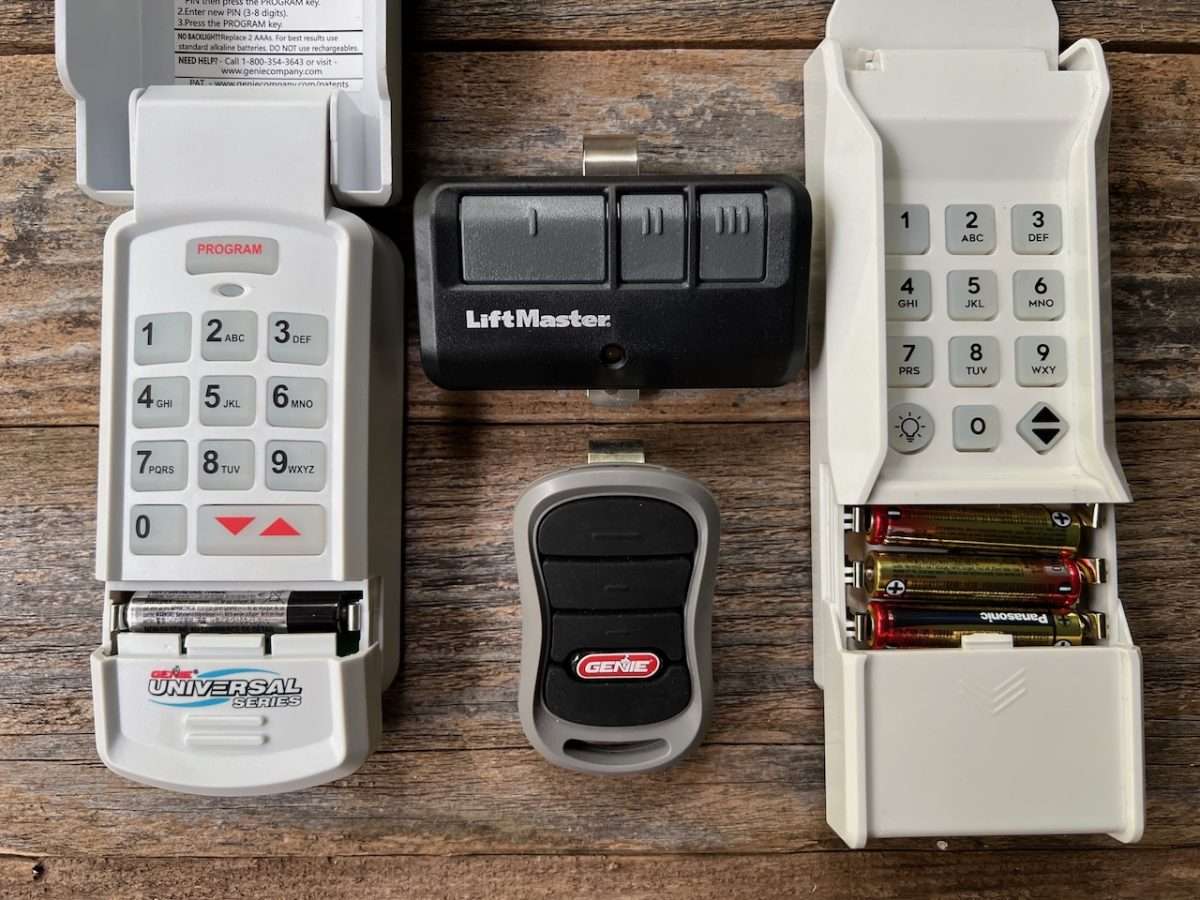
Picture this: It's 7 AM, a Monday, and you're running late. The coffee is barely hitting your system, and you've got approximately zero brain cells dedicated to anything other than getting out the door. You swipe your work badge, grab your keys, and head for the garage. You punch in your trusty four-digit code on the keypad, expecting that familiar whirring groan as the door ascends. Nothing. You try again, slower this time, double-checking each digit. Still nothing. You start mashing the buttons like a frantic chimpanzee, muttering expletives under your breath. Your car keys are inside the car, which is inside the garage. And the remote? Also on the visor. Panic, my friends, is a swift and unforgiving beast.
After a good five minutes of staring blankly at the silent keypad, a thought, barely a whisper from the half-awake part of my brain, surfaced: "Wait a minute... how does this thing even get power?" It's not wired to the house, is it? It’s just... out there, on the wall, wirelessly sending signals to the opener inside. Ding ding ding! That little lightbulb moment, brought on by pure desperation, made me wonder about something many of us probably never think about until it's too late.
So, Do Garage Door Keypads Have Batteries?
The short, sweet, and incredibly important answer is a resounding, yes, they absolutely do!
Must Read
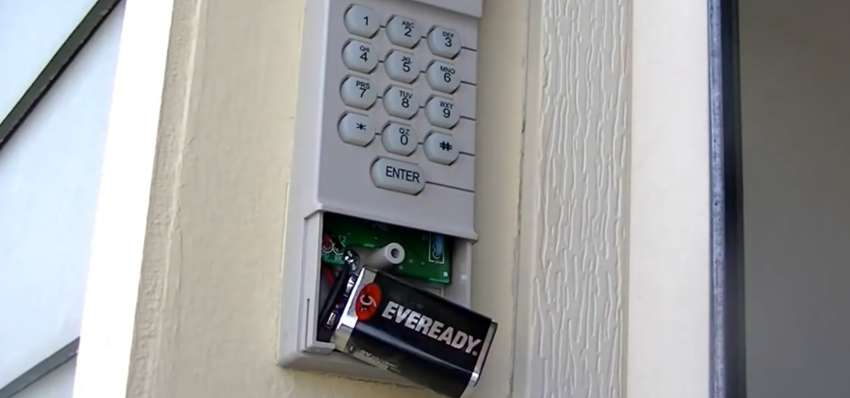
Surprised? You're not alone. We often take these convenient little gadgets for granted. They're just there, silently doing their job, day in and day out, through scorching summers and freezing winters. But unlike your main garage door opener unit, which is hardwired into your home's electrical system, the external keypad is a completely independent device. It needs its own internal power source to communicate with the opener.
Think about it. It’s designed to be mounted outdoors, usually on your doorframe, exposed to the elements. Running a wire to it would be a pain, make it less aesthetically pleasing, and honestly, just a bit overkill for what it does. So, the engineers, bless their clever little hearts, designed them to be battery-operated.
Why Does This Even Matter?
Because, dear reader, a dead keypad battery means exactly what happened to me on that fateful Monday morning: you're locked out. Or worse, your kids are locked out after school. Or you’ve just hauled a week’s worth of groceries to the door and now have to trek around to the side entrance. It’s a minor inconvenience that feels like a major catastrophe when you're in the moment.
Your garage door keypad isn't just for emergencies; for many, it's the primary way they access their garage without fumbling for a remote or an actual key (remember those?). So, ensuring it has juice is pretty darn important.

What Kind of Batteries Are We Talking About?
This is where it gets a little varied, but nothing to lose sleep over. Most garage door keypads will use common, easily found batteries. We're talking:
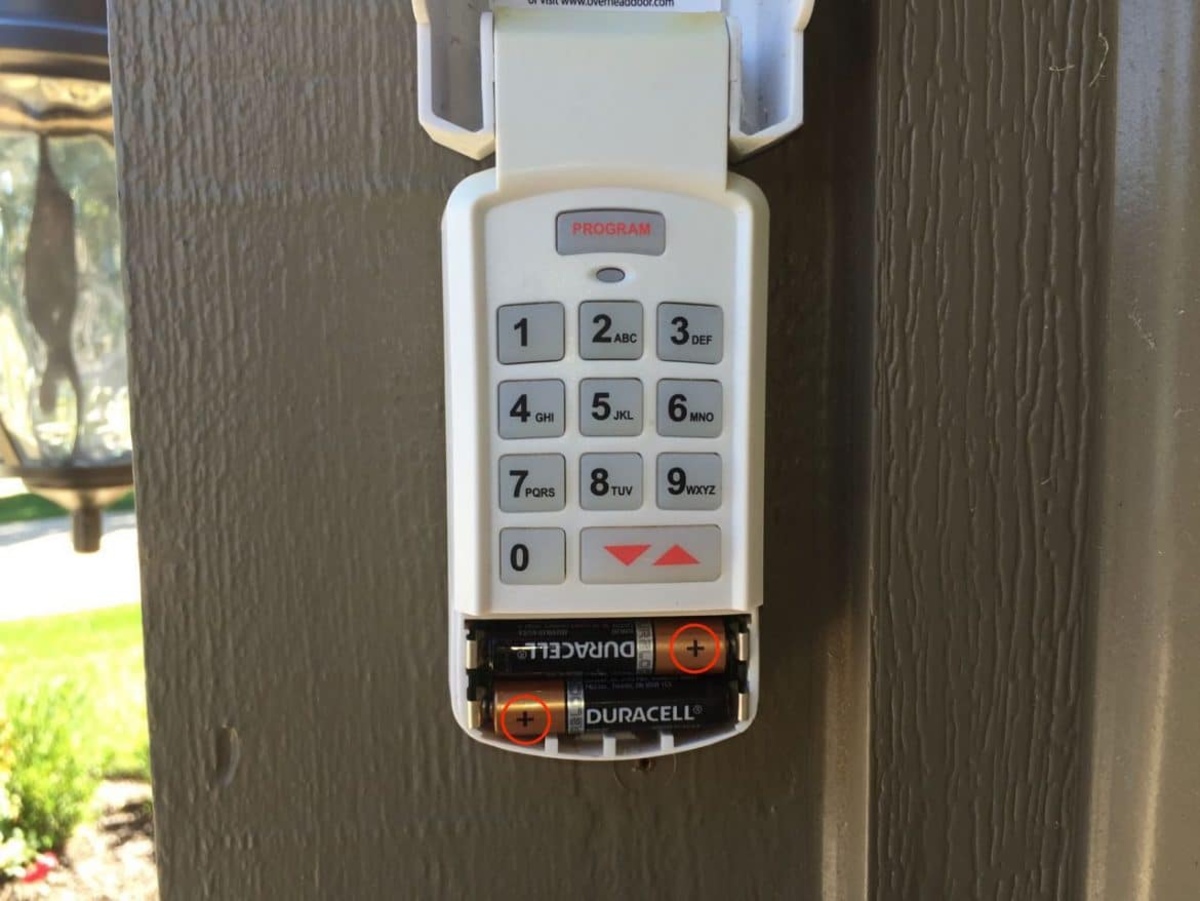
- AA batteries: Often 2 or 4 of them.
- AAA batteries: Less common, but some smaller models might use them.
- 9V batteries: A classic, and quite common for these devices.
- Less frequently, you might find a CR2032 coin cell in some really compact units.
"How do I know which one mine uses?" I hear you ask. The best way is to either check the tiny label inside the battery compartment (once you've opened it up) or, if you're feeling adventurous, consult the manual. (Go on, admit it, when was the last time you read a manual for anything other than assembling IKEA furniture?)

Changing Those Little Powerhouses
The good news is, changing the battery in your garage door keypad is usually a breeze. Most keypads have a cover that you can either slide off, unclip, or remove with a small Phillips head screwdriver. Once inside, you'll see the battery or batteries clearly. Here's the general drill:
- Locate the battery compartment. It’s usually on the bottom or front panel, often behind a small cover.
- Open it up. This might require a small screwdriver or just a firm push/slide.
- Note the type and orientation of the existing batteries. Snap a quick phone pic if you're worried about remembering!
- Pop out the old batteries.
- Insert the fresh ones, making sure to match the positive (+) and negative (-) terminals correctly.
- Close the compartment securely.
- Test it! Punch in your code and make sure the door responds. You might even hear a little beep or see a light confirming it's powered up again.
It's rarely more complicated than changing the batteries in your TV remote, thankfully.
A Little Proactive Effort Goes a Long Way
So, now you know the secret life of your garage door keypad. It's not magic; it's just powered by a tiny little energy source that needs replacing every now and then. How often? It varies based on usage and climate, but generally, expect to change them every 1-2 years. If you live in an area with extreme cold, you might find battery life diminishes faster.
My advice? Make it a habit. When you change your smoke detector batteries annually, add your garage door keypad to the list. Keep a spare set of the correct batteries handy. Trust me, future-you will thank past-you for avoiding that frantic Monday morning scenario. A little bit of proactive maintenance saves a whole lot of frustration.
Now, go forth, check your keypads, and ensure uninterrupted garage access. You've got this!