
Do Fish Breathe Oxygen From The Air Or Water

Okay, let's talk about fish. Those slippery, scaled critters that live in the big blue… or your goldfish bowl. Ever wondered how they actually breathe? It’s a question that might pop into your head while you’re waiting for your coffee to brew, or maybe while watching your kid tap incessantly on the aquarium glass. And hey, it's a valid question! Because, surprisingly, it's not as straightforward as you might think.
The Watery World of Oxygen
So, do fish breathe air like we do? The simple answer is: mostly, no. Think of it this way: you can’t breathe underwater (unless you're wearing some serious scuba gear, of course!). Fish, similarly, aren’t built to suck air directly from the atmosphere. They have a different system.
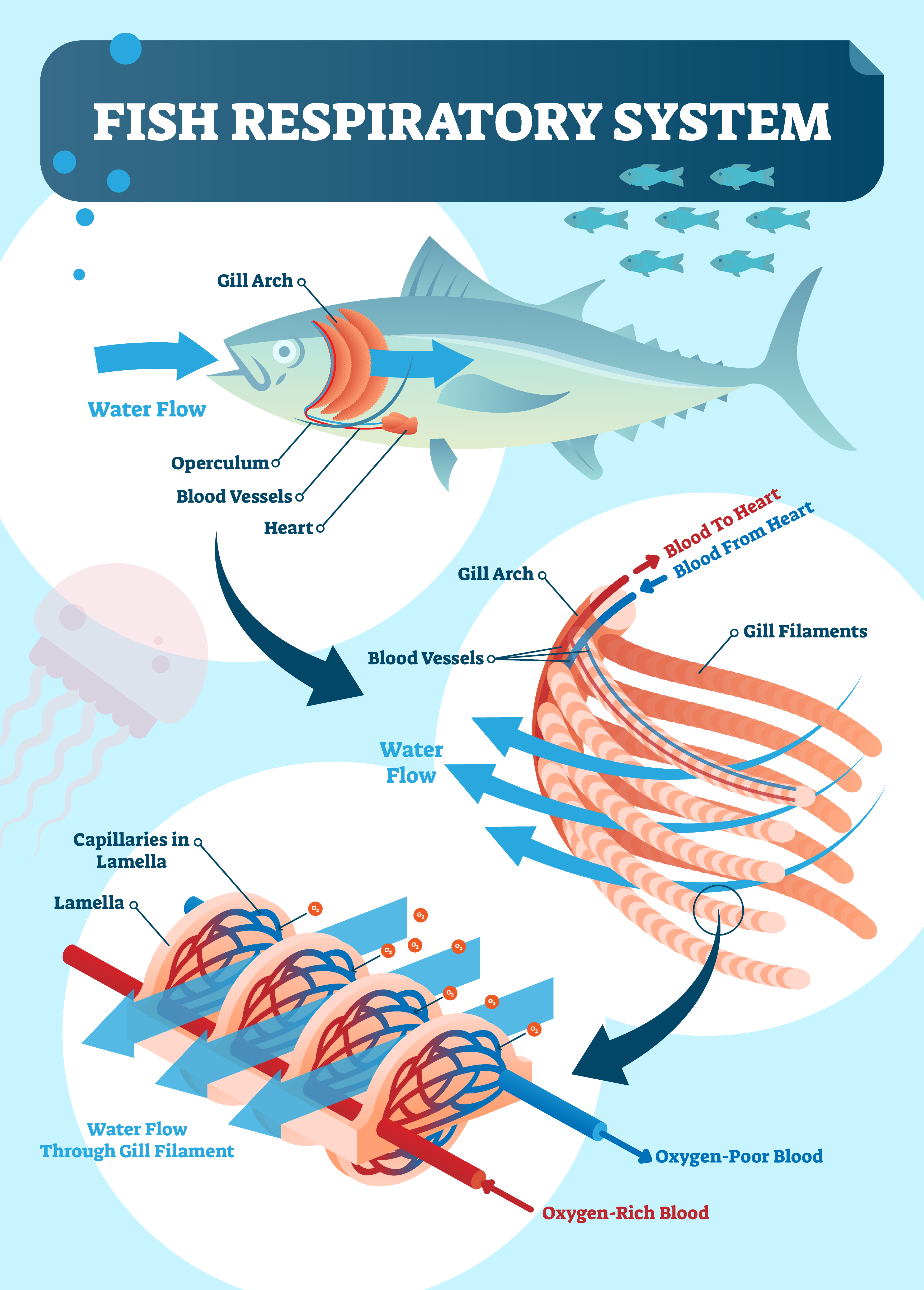
Instead of lungs, most fish use gills. Imagine gills as super-efficient filters designed to extract oxygen that's already dissolved in the water. Yes, you heard right! Water, even though it looks like pure H2O, contains dissolved oxygen. Think of it like carbonated water. You can't see the bubbles (mostly) until you open the can, but they're there. Oxygen in water is similar; it's present, just not in a gaseous, bubbly form we can directly inhale.
Must Read
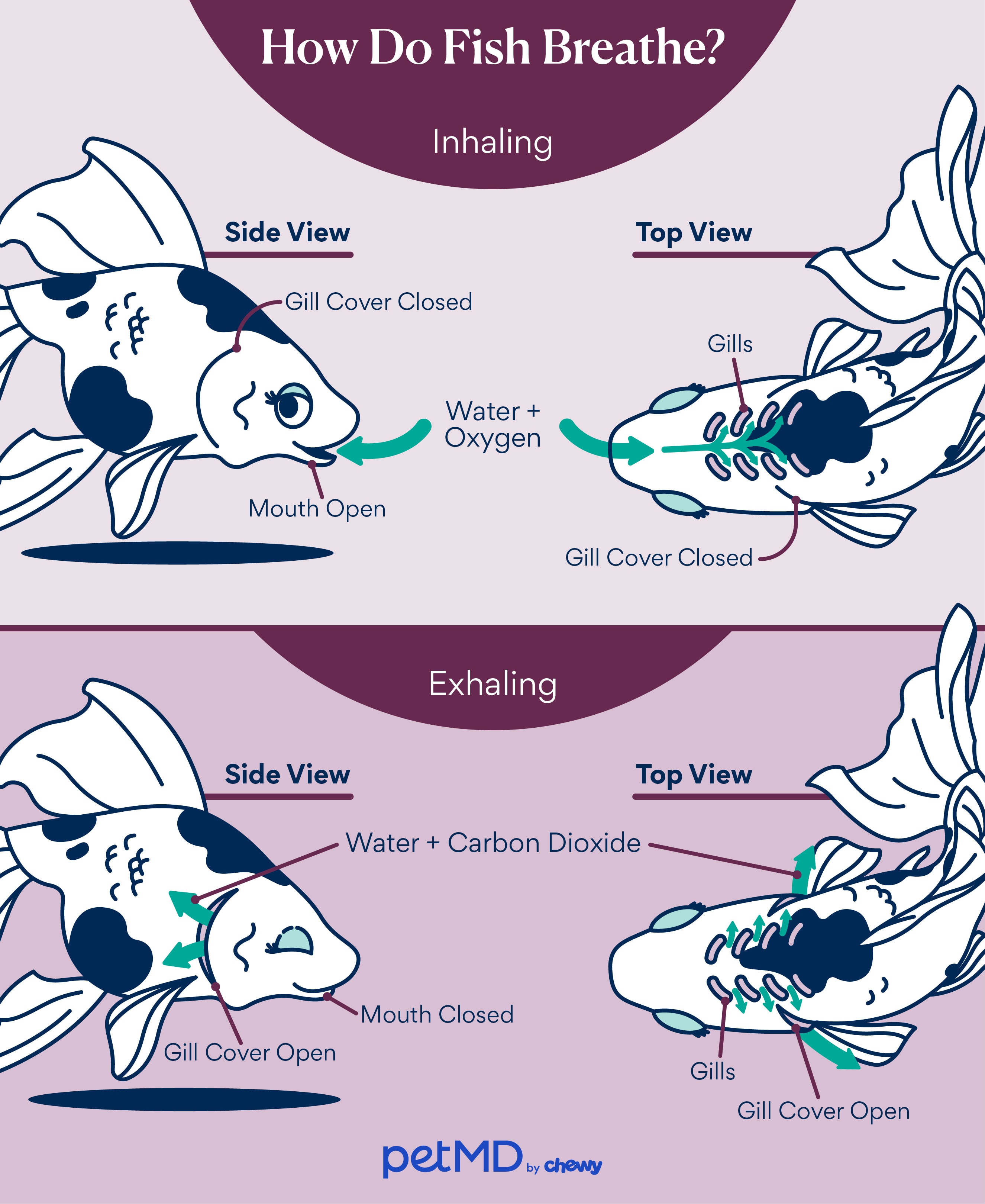
Here's how the magic happens: A fish opens its mouth, takes in water, and that water flows over its gills. Gills are packed with tiny filaments – like super-thin curtains – that are rich in blood vessels. These blood vessels are designed to absorb the dissolved oxygen from the water as it passes by. The deoxygenated water then flows out through the gill slits, and voila! The fish has its oxygen fix.
It’s a brilliantly designed system, perfectly adapted for life in the water. It’s like having a built-in oxygen extractor always working, keeping them swimming and happy. Think of it like a super sophisticated water filter, but instead of just cleaning water, it pulls out the life-giving oxygen.
But Wait, There's a Twist! (The Air-Breathing Exception)
Now, just when you think you've got it all figured out, Mother Nature throws you a curveball! There are some fish that can breathe air, or at least supplement their gill-breathing with air-breathing. It's a bit like us taking an extra deep breath after swimming underwater for a while.
For example, the lungfish (yes, really!) has both gills and a primitive lung. They live in areas where water conditions can get pretty rough – think shallow swamps that dry up during certain seasons. When the water gets stagnant and low on oxygen, the lungfish can gulp air at the surface to survive. They’re like the amphibians of the fish world, straddling the line between water and air breathing.

Another example is the betta fish (aka Siamese fighting fish), often kept as pets. These little guys have a special organ called the labyrinth organ, which allows them to take in air from the surface. That's why you might see your betta fish occasionally darting up to the top of the tank to take a gulp of air, even if the water is well-oxygenated. Think of it as a little "top up" for their oxygen supply!
Why Should We Care About Fish Breathing?
Okay, so why does any of this matter to you, the average person? Well, it all boils down to water quality. Fish are incredibly sensitive to changes in their environment. If the water becomes polluted or loses oxygen, fish can suffocate. Imagine trying to breathe in a room filled with smoke – that's essentially what it's like for a fish in oxygen-depleted water.
Things like agricultural runoff, sewage, and industrial waste can all contribute to lower oxygen levels in lakes, rivers, and oceans. This can lead to fish kills and damage entire aquatic ecosystems. When fish populations decline, it can have a ripple effect throughout the food chain, affecting everything from birds that eat fish to the livelihoods of fishermen.
So, by understanding how fish breathe and how sensitive they are to water quality, we can all be more mindful of our impact on the environment. Simple things like reducing our use of fertilizers and pesticides, properly disposing of waste, and supporting conservation efforts can all make a difference. Think of it as doing your part to keep the underwater world healthy and thriving.
Ultimately, understanding the simple act of a fish breathing helps us appreciate the delicate balance of nature and reminds us that even the smallest creatures play an important role in the grand scheme of things. Plus, it’s just plain cool to know how these amazing animals survive in their watery homes!
