
Do Dogs Have High Pain Tolerance

Okay, let’s talk about our furry best friends and something that might surprise you: pain. Do dogs have a secret superpower when it comes to handling owies? Do they have a legendary, almost mythical, high pain tolerance?
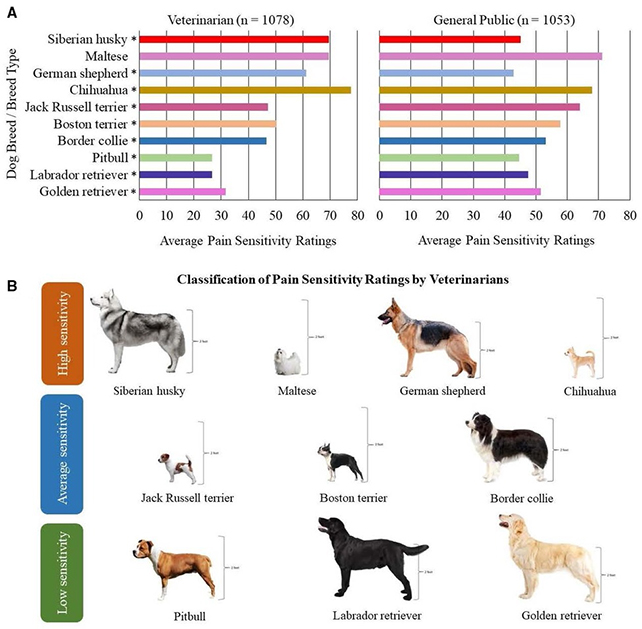
The short answer? It's complicated. It's not that they necessarily feel pain differently than us, but how they show it might be throwing us off.
The Stoic Pup: A Master of Disguise?
Think about it. When you stub your toe, what do you do? You probably yell, hop around on one foot, and maybe even shed a dramatic tear or two (no judgment!).
Must Read
Now, picture your dog stubbing his toe. Does he immediately launch into a theatrical performance of canine agony? Probably not. He might whimper, limp for a second, and then... back to sniffing that fascinating patch of grass.
This is where the "high pain tolerance" myth comes from. We often equate visible reaction with the intensity of pain. If a dog isn't howling in despair, we assume he's not hurting that much.
But dogs are masters of disguise! Their evolutionary history plays a big role in this.
Survival of the Fittest (and Most Silent)
In the wild, showing weakness – like, say, yelping loudly every time you get a scratch – can make you a target. A predator might see you as an easy meal. Or, within a pack, you might be seen as vulnerable and lose your social standing.

So, dogs have evolved to be pretty good at hiding their discomfort. It's a survival mechanism! They're trying to project an image of strength and resilience, even when they're feeling less than stellar.
Think of it like a poker face – a canine poker face, that is. They might be holding a pair of twos, but they're betting like they've got a royal flush.
Reading Between the Tail Wags: Deciphering Doggy Discomfort
So, if they're not going to scream and shout (thank goodness!), how do you know if your dog is hurting? You have to become a doggy detective, paying close attention to subtle clues.
Changes in behavior are key. Is your normally energetic dog suddenly lethargic? Is your cuddle bug suddenly shying away from touch? These could be signs that something's amiss.
Look for things like: limping, stiffness, excessive licking of a particular area, loss of appetite, changes in sleeping habits, or even just a general "off" feeling.
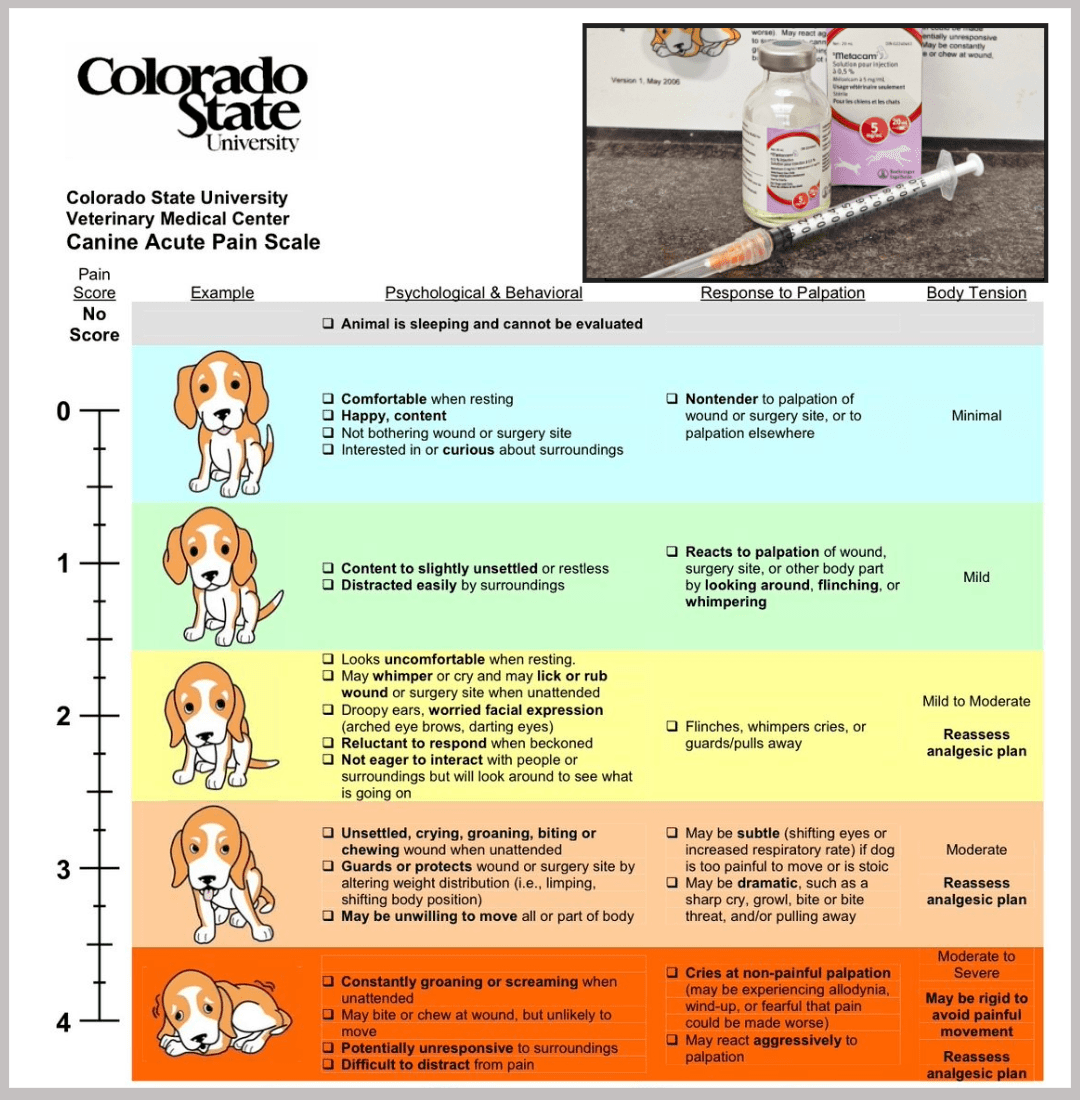
And don't forget the power of observation! Is your dog favoring a leg? Are they reluctant to jump on the sofa? Are they panting excessively for no apparent reason?
These are all pieces of the puzzle. Put them together, and you might just crack the case of the hidden hurt.
The Importance of the Vet Visit
If you suspect your dog is in pain, the best thing to do is consult with your vet. They're the experts! They can perform a thorough examination, diagnose the problem, and recommend the appropriate treatment.
Don’t try to play doctor yourself. A vet visit isn’t just about getting medication; it’s about getting an accurate diagnosis. Something that seems minor could be masking a more serious underlying issue.
Early detection and treatment can make a world of difference in your dog's comfort and quality of life. After all, we want them to be happy and healthy for as long as possible!
The Heartwarming Truth: Their Loyalty Overrides the Hurt
Here's something else to consider. Dogs are incredibly loyal and eager to please. Sometimes, they'll push through pain simply because they don't want to disappoint you.
Think about a dog who loves to play fetch. Even if his joints are aching, he might still chase after the ball, just because he knows how much you enjoy it. He's putting your happiness above his own discomfort.
This isn't necessarily a good thing (we don't want them to injure themselves further!), but it speaks volumes about their devotion.
That boundless, unconditional love can sometimes mask the pain they're experiencing. It's a beautiful testament to their character, but it also means we have to be extra vigilant in looking out for their well-being.
Beyond the Physical: Emotional Pain
We often focus on physical pain, but let's not forget about emotional pain. Dogs experience grief, anxiety, and stress just like we do.

The loss of a loved one, a move to a new home, or even just a change in routine can be incredibly upsetting for a dog. And emotional distress can sometimes manifest as physical symptoms, like loss of appetite or excessive sleeping.
So, be mindful of your dog's emotional state as well as their physical condition. Create a safe and loving environment where they feel secure and supported.
So, Do Dogs Have High Pain Tolerance? The Verdict
The answer isn't a simple yes or no. It's more nuanced than that. They don't necessarily feel pain differently, but they're often better at hiding it. Their evolutionary instincts and their unwavering loyalty can make it difficult to detect when they're hurting.
Ultimately, it’s up to us, as their guardians, to be observant, empathetic, and proactive in ensuring their well-being. Knowing your dog and learning their typical behavior will serve you the best.
By paying attention to subtle clues and seeking veterinary care when needed, we can help our canine companions live long, happy, and pain-free lives. And that's something worth wagging your tail about!