
Do Carbon Monoxide Detectors Have Batteries

Ever been startled awake by that dreaded, insistent chirp? You know the one. It usually happens at 3 AM, always feels like it’s coming from directly above your head, and means one thing: a smoke detector battery is giving up the ghost. It's like the little guy is politely (or not-so-politely) tapping you on the shoulder saying, "Hey, friend, a little juice over here, please!"
Well, if your mind then drifts to its lesser-known, quieter cousin – the carbon monoxide (CO) detector – you might find yourself wondering: Do CO detectors have batteries, too?
The Short and Sweet Answer (with a Twist!)
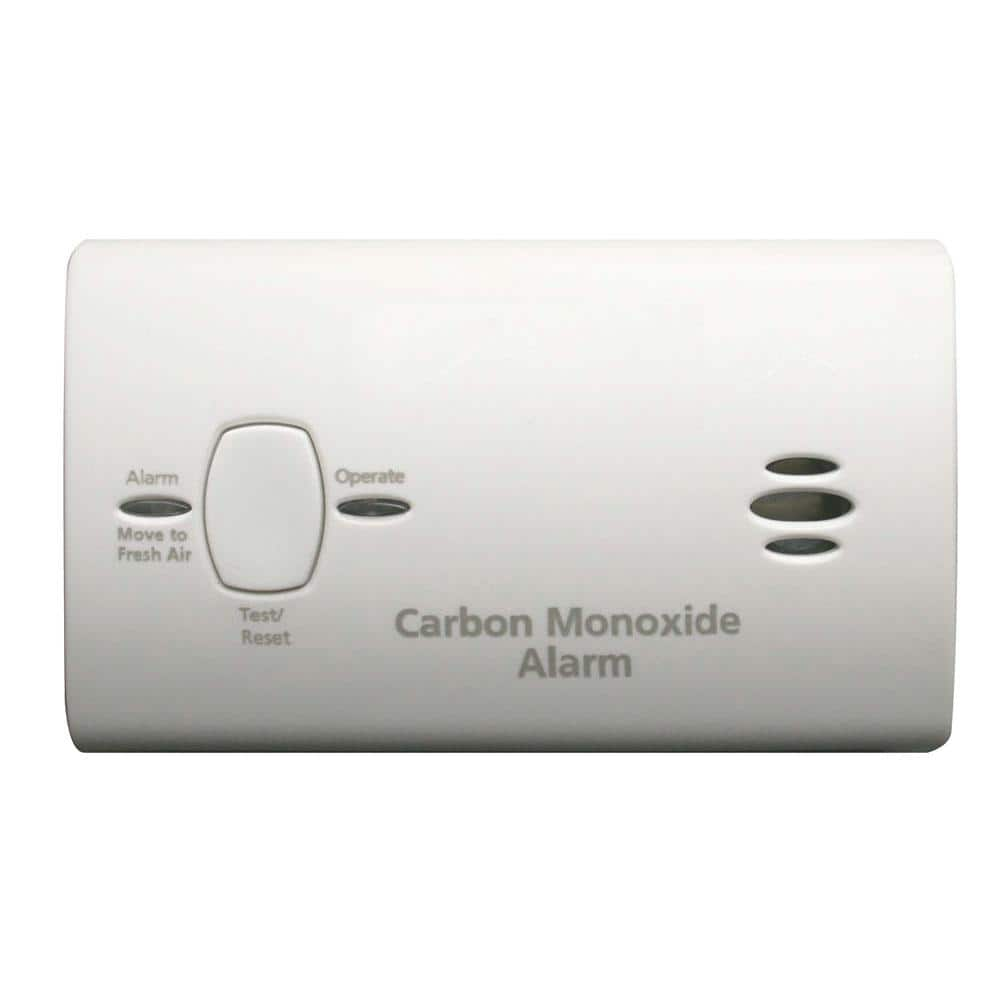
The answer, my friend, is a resounding yes, mostly! Just like those melodramatic smoke detectors, many carbon monoxide detectors rely on batteries to keep their watchful eyes (or rather, sensors) peeled. But it’s not always a straightforward battery situation, so let’s unpack that a little.
Must Read
Think of it like choosing a car. Some cars are fully electric, some run on gas, and some are hybrids. CO detectors have their own versions of this. You've got your battery-only units, which are super handy and portable. Then there are the plug-in models, which often have a battery backup, just in case the power goes out. And finally, some are hardwired into your home’s electrical system, also usually with a battery backup for good measure.
So, why all the battery fuss? Simple: peace of mind when the lights go out. Imagine a storm knocking out your power. You're cozy under a blanket, maybe with a flashlight, but your CO detector is still on duty, silently doing its thing thanks to those trusty batteries. It’s like having a tiny, dedicated bodyguard that never sleeps, even during a blackout.

Why Should We Even Care About This Invisible Guest?
Now, let's talk about why this little device, battery-powered or not, is such a big deal. Carbon monoxide is often called the "silent killer," but let's make it sound a little less scary and more like the tricky villain it is. Imagine an invisible, odorless, tasteless gas that can sneak into your home without you ever knowing. It's like an uninvited party guest who shows up, drinks all your oxygen, and makes everyone feel terrible, but you can't even see them!
This sneaky gas is a byproduct of incomplete combustion. Translation? It can come from everyday things that burn fuel:
- Your furnace or boiler
- Gas stoves and ovens
- Fireplaces (especially if not vented properly)
- Gas clothes dryers
- Water heaters
- Even a car left running in an attached garage
Seriously, it’s all around us in small doses. The problem arises when it builds up indoors. At low levels, CO can make you feel like you have the flu – headaches, dizziness, nausea. You might just shrug it off as a bad day or a tricky virus. But at higher levels, it can be really dangerous, even deadly. It basically starves your body of oxygen, which, as we know, is pretty important for, well, everything!
That's where your CO detector comes in. It’s your personal invisible gas-sniffer, standing guard so you don't have to play detective with your own health. It’s like having a super-powered nose that can smell trouble long before you even feel a whiff of it.
The Chirp, The Button, and The Biannual Ritual
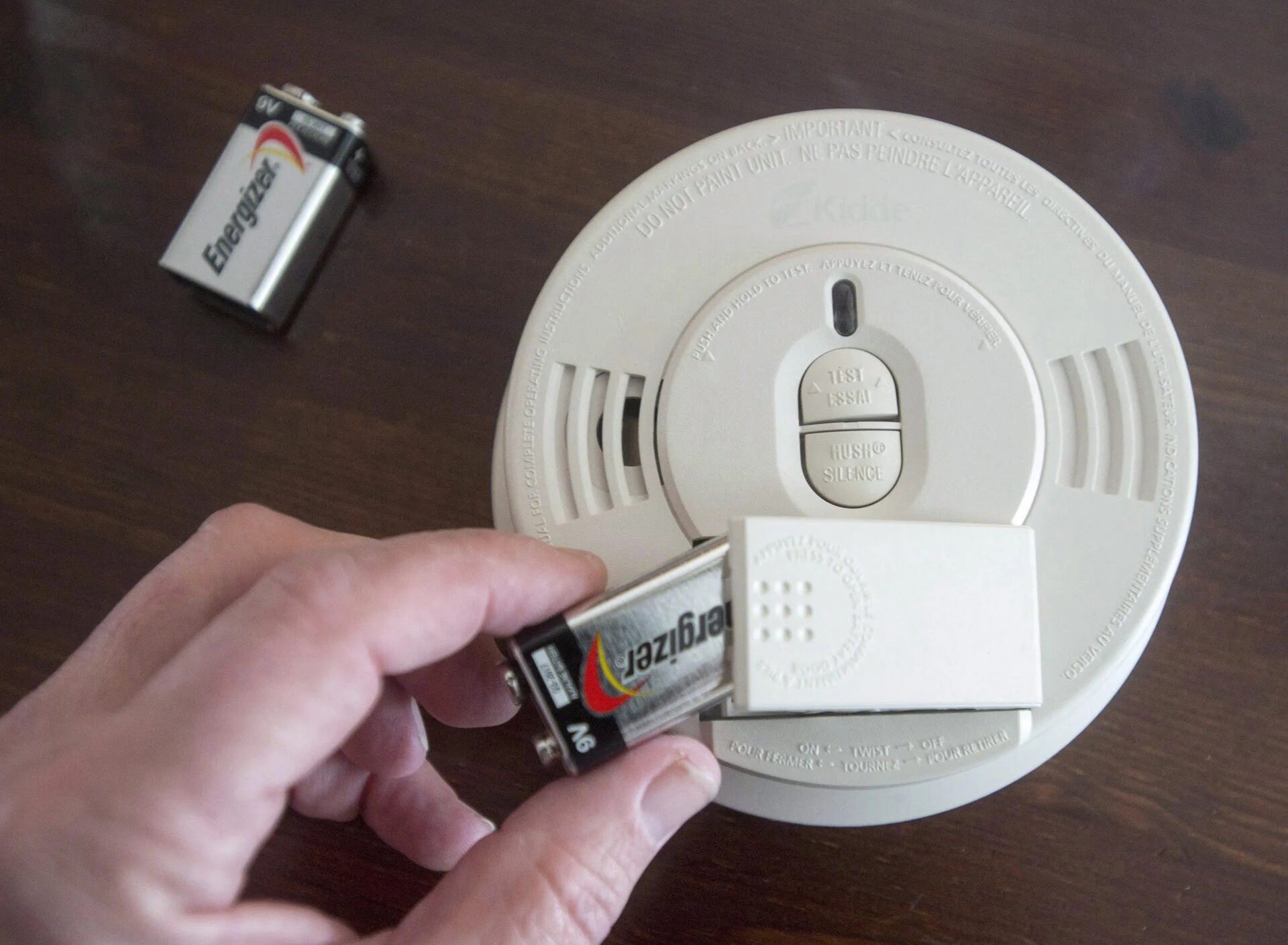
So, if your CO detector is battery-dependent, what do you do? Just like with smoke detectors, it's all about a little routine maintenance. Most experts recommend changing your batteries at least once a year. A super easy way to remember is to tie it to Daylight Saving Time. When you "spring forward" or "fall back," take an extra five minutes to swap out those batteries. It’s a small effort for a huge payoff in safety.
And remember that little "test" button? Press it! Give it a friendly poke once a month. It won't hurt, and it lets you know the detector is awake and ready for action. You should hear a loud, clear alarm – that means its vocal cords are in good working order. If it's silent or sounds weak, that's your cue to check the batteries or the unit itself.
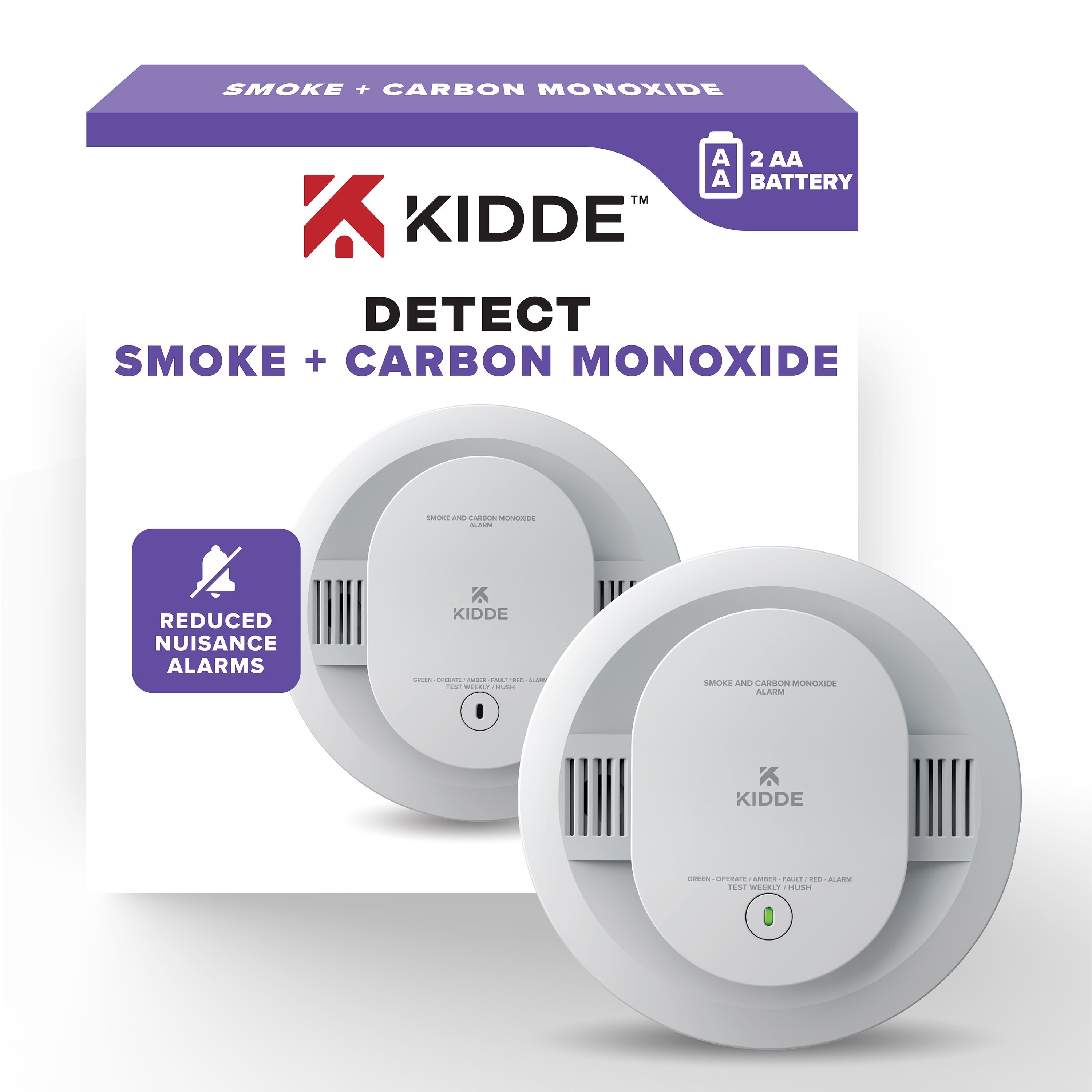
For those plug-in models with battery backup, don't forget them! The unit might be getting power from the wall, but those backup batteries are still crucial for when the power grid decides to take a nap. Think of them as the emergency snacks for your detector.
Take a Peek and Breathe Easy!
So, next time you’re sipping your coffee or wrestling with a tricky crossword puzzle, take a moment to look at your carbon monoxide detectors. Are they battery-only? Do they have a plug? When was the last time those batteries were changed? It's not a chore; it's a quick act of kindness for your home and everyone in it.
Taking a few minutes to ensure your CO detector is well-powered and ready to go is one of the simplest, yet most effective, things you can do to protect your loved ones. It’s about giving yourself the gift of peace of mind, knowing that your invisible bodyguard is always on duty, keeping that sneaky carbon monoxide at bay. So go on, give your CO detector a little love today!