Do Carbon Monoxide Detectors Detect Natural Gas
Ah, the peace of mind that comes with knowing your home is safe! We all crave that feeling, and for many, that assurance comes in the form of little electronic sentinels perched on our walls: carbon monoxide (CO) detectors. They’re like silent guardians, promising to alert us to a danger we can’t see, smell, or taste. They're readily available and relatively inexpensive, making them a staple in homes, apartments, and even RVs. But have you ever wondered if these dedicated protectors against one silent killer can protect you against another? Specifically, does your carbon monoxide detector also detect natural gas?
Let's break it down. Carbon monoxide detectors are designed for a specific, and crucial, purpose: to detect the presence of carbon monoxide. CO is a deadly gas produced by the incomplete burning of fuels like gasoline, propane, wood, charcoal, and yes, even natural gas. Think of a car running in a closed garage, a faulty furnace, or a blocked chimney. CO interferes with the blood's ability to carry oxygen, leading to serious health problems and even death. That's why these detectors are so important; they give us early warning so we can get to fresh air and seek medical attention.
Natural gas, on the other hand, is primarily methane. It's used for heating, cooking, and sometimes even generating electricity. While natural gas itself isn’t poisonous, a leak can be incredibly dangerous. First, it's highly flammable and can cause explosions. Second, it can displace oxygen in the air, leading to suffocation. This is where things get tricky.
Must Read
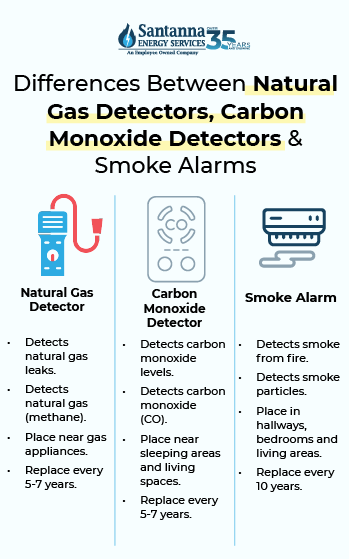
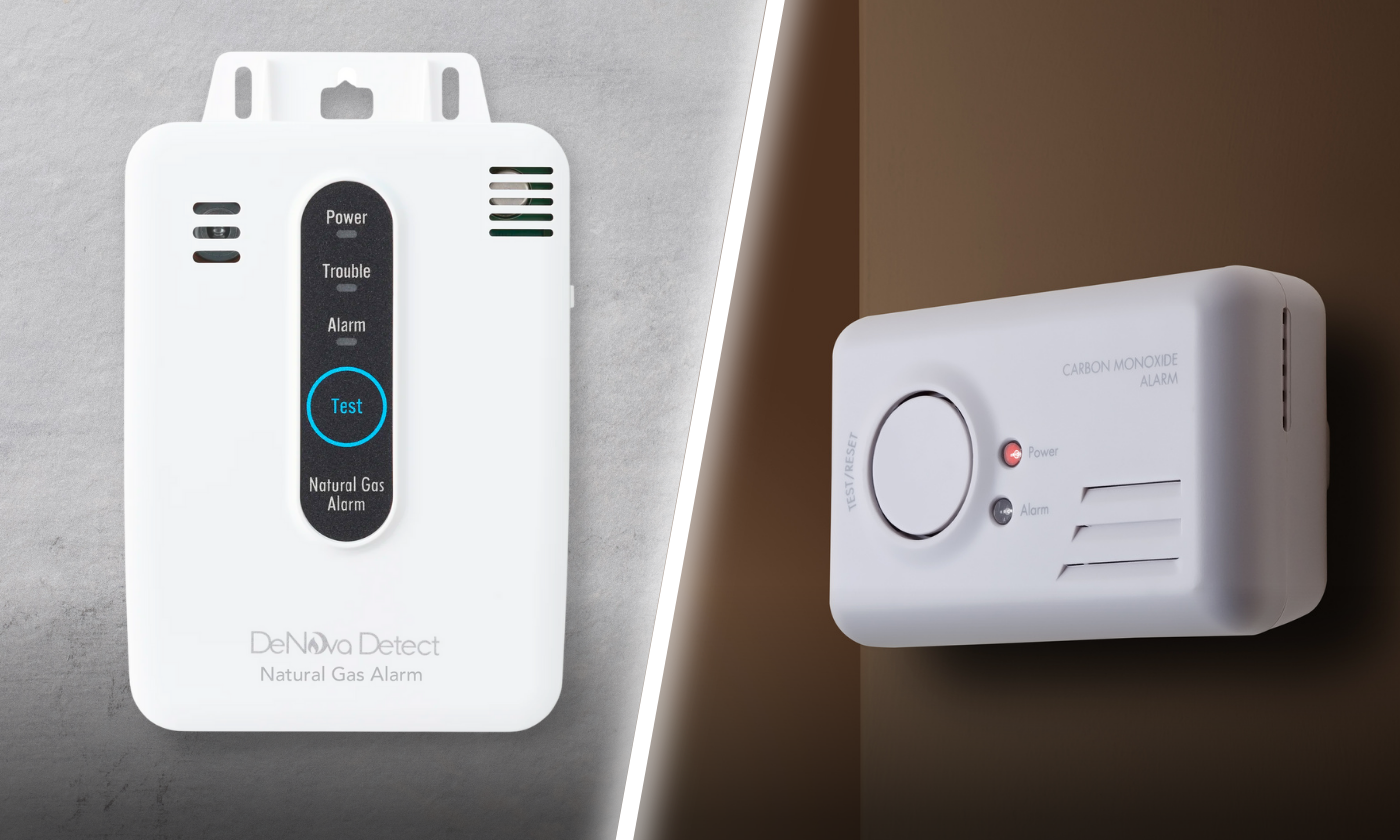
The bad news: a standard carbon monoxide detector will not detect a natural gas leak. The technology is simply different. CO detectors are calibrated to react to the presence of carbon monoxide molecules, while natural gas detectors are designed to sense methane or other components of natural gas, or detect a reduction in oxygen levels.
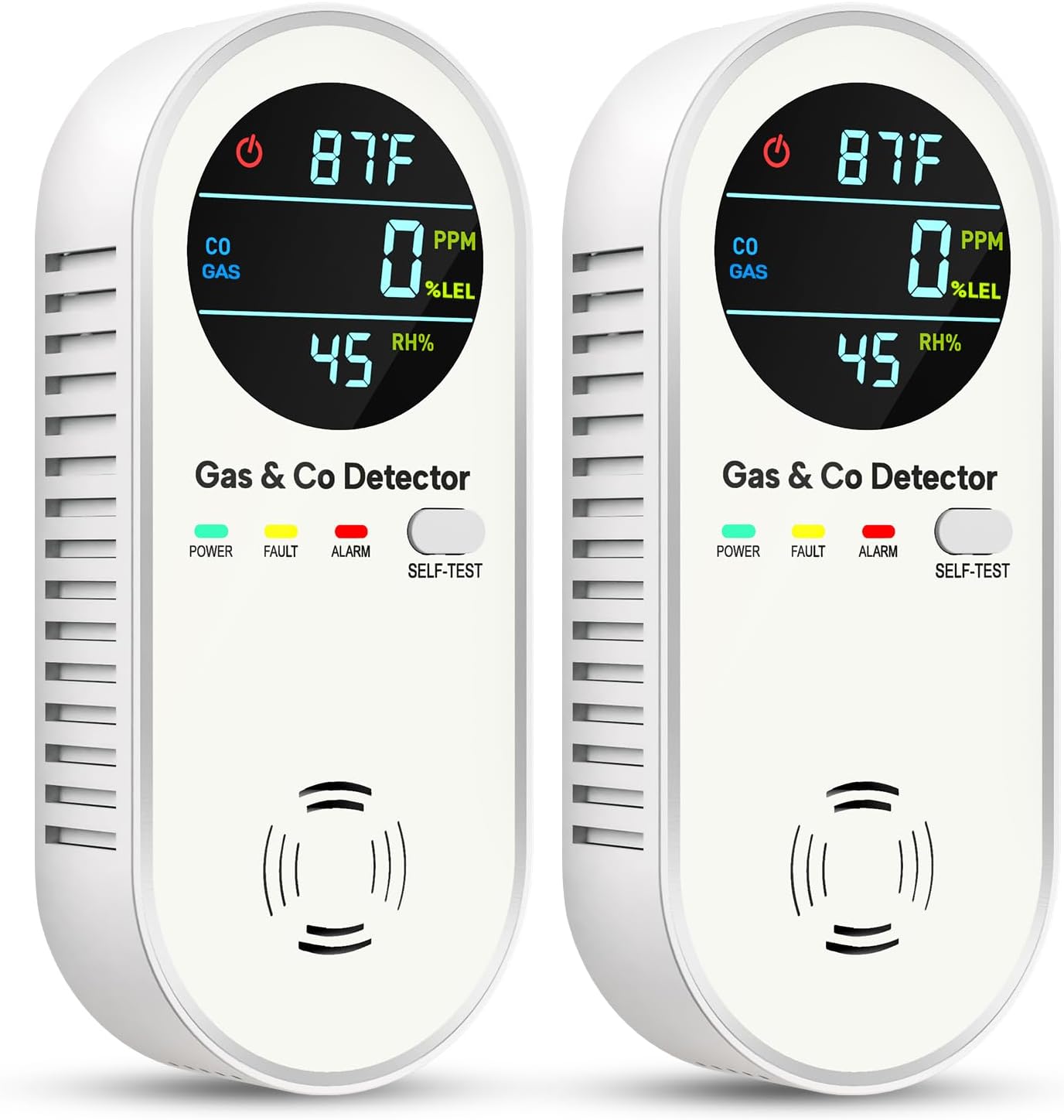
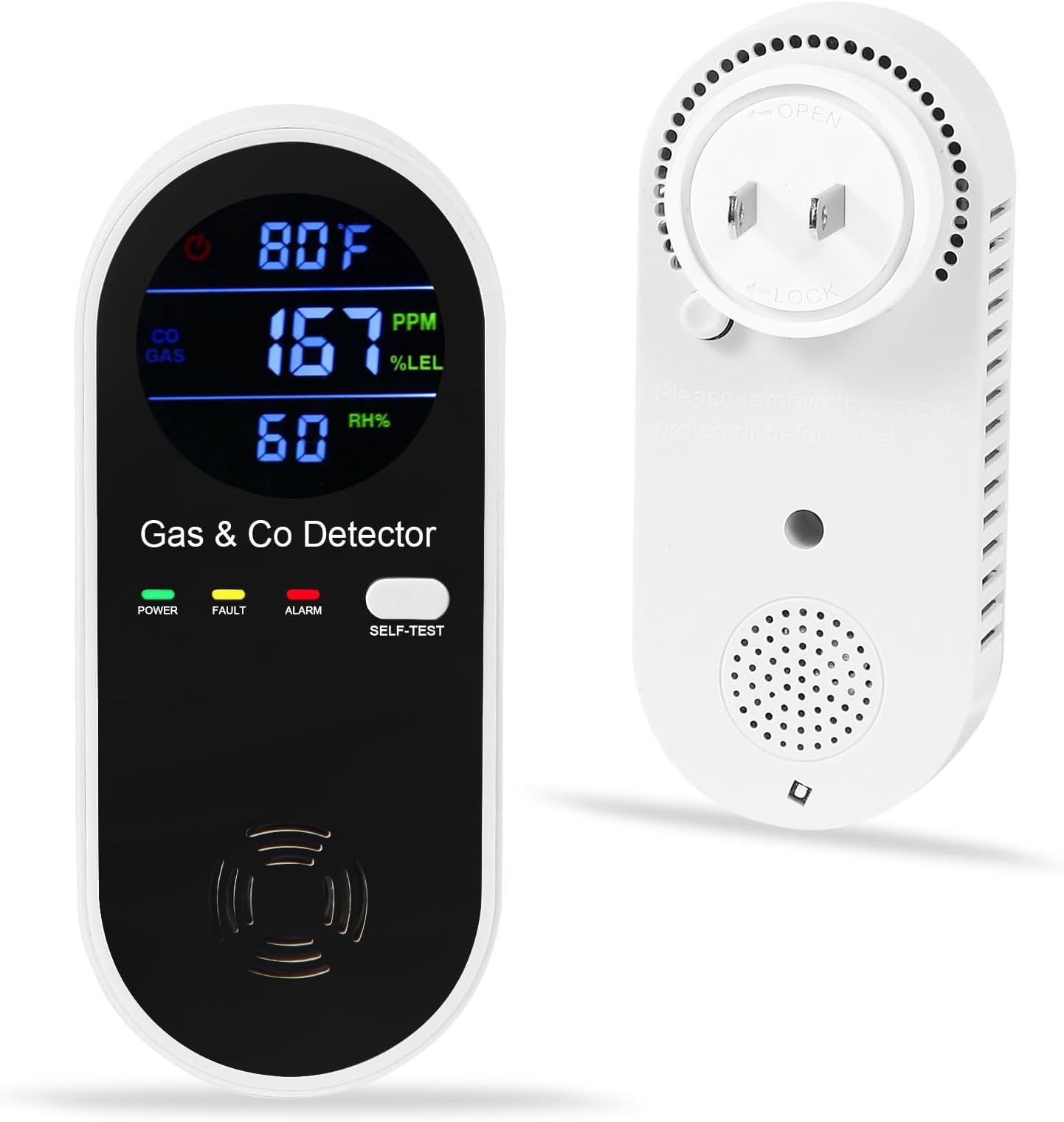
The good news: you can protect yourself! If you are concerned about natural gas leaks, you can purchase a dedicated natural gas detector. These are readily available, and like CO detectors, are relatively inexpensive and easy to install. Look for models that are UL-certified, meaning they meet safety standards. Some even combine CO and natural gas detection into a single unit, offering comprehensive protection. Many newer models can also connect to your smart home systems, providing alerts to your mobile device.
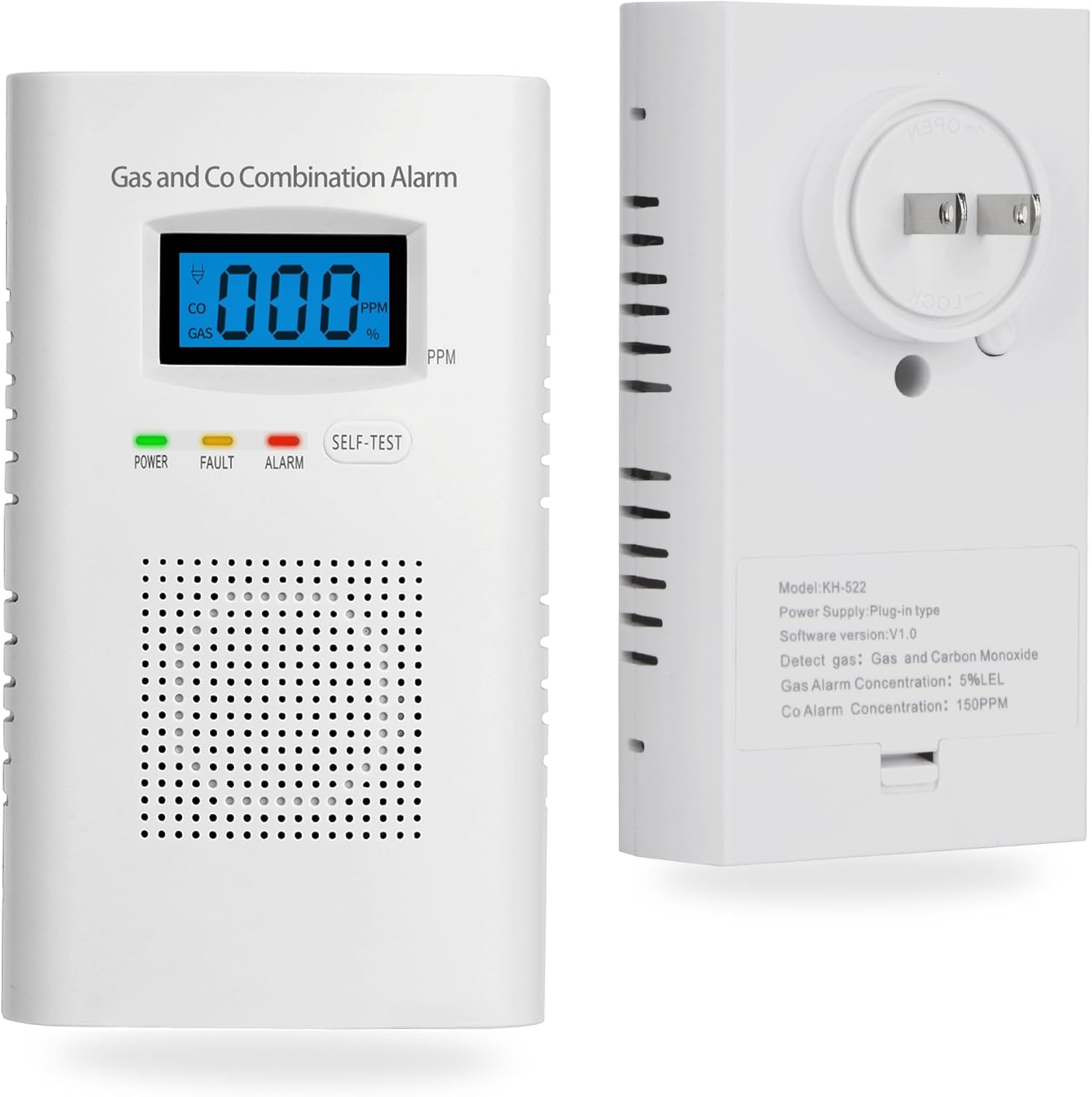
To enjoy peace of mind and ensure effective protection:
- Install both CO detectors and, if you use natural gas, a natural gas detector.
- Place detectors on each level of your home, and near sleeping areas.
- Test your detectors regularly, following the manufacturer's instructions.
- Replace detectors every 5-10 years, as recommended by the manufacturer.
- If you suspect a gas leak (you smell rotten eggs, a common odorant added to natural gas), immediately evacuate the building and call your gas company or 911 from a safe location. Do not use any electrical devices, including lights or cell phones, as they could spark an explosion.
By understanding the difference between these two essential safety devices and taking proactive steps to protect your home, you can breathe easier knowing you've taken steps to safeguard yourself and your loved ones from these invisible threats.