
Do Cancer Cells Exhibit Contact Inhibition

Hey! So, we were chatting about cells the other day, and it got me thinking... remember that weird science stuff we learned back in school? Yeah, me neither, mostly. But one thing kinda stuck: contact inhibition. Sounds kinda sci-fi, right? Like a superpower or something.
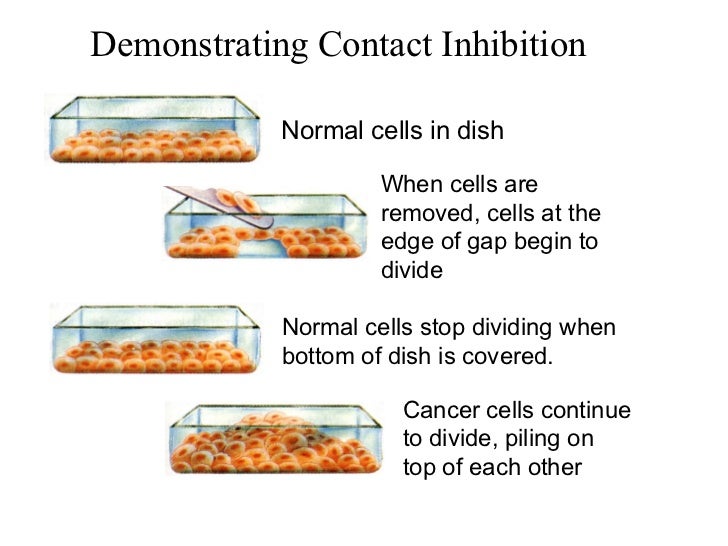
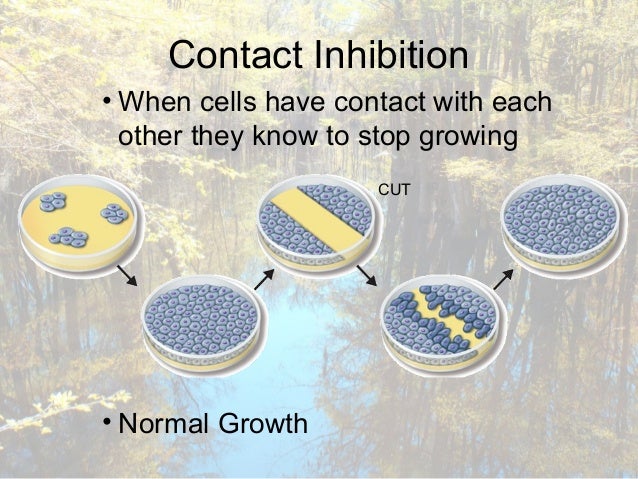
Basically, it’s this neat trick that normal cells have. When they're growing in a dish (or, you know, inside you), they keep multiplying until they bump into each other. Then, BAM! Growth stops. It's like they're saying, "Okay, buddy, personal space! I'm done dividing here." Neat, huh? It keeps things organized. Imagine if cells just kept growing willy-nilly… total chaos!
But what about those rebellious cells? The ones that don't play by the rules? Yep, you guessed it: cancer cells. Do they exhibit this whole contact inhibition thing? That's the million-dollar question, isn't it?
Must Read
The Short Answer (Spoiler Alert!)
Okay, drumroll please... the short answer is: generally, no. Cancer cells are the rebels of the cellular world. They are like that person at the party who just keeps talking and talking, not noticing anyone else's cues to politely shut up. Except, instead of talking, they're multiplying!
They've basically lost their sense of 'personal space' at a cellular level. They just keep on dividing, piling up on each other. This is one of the reasons why tumors form – because the cells are ignoring that "stop growing!" signal.
So, why do these cells ditch the whole contact inhibition thing? Good question! And the answer? Well, it's complicated. Isn't it always?
Delving a Little Deeper
Think of it like this: contact inhibition is a carefully orchestrated dance, involving a bunch of proteins and signaling pathways. It’s like a complicated set of instructions that the cell should be following.
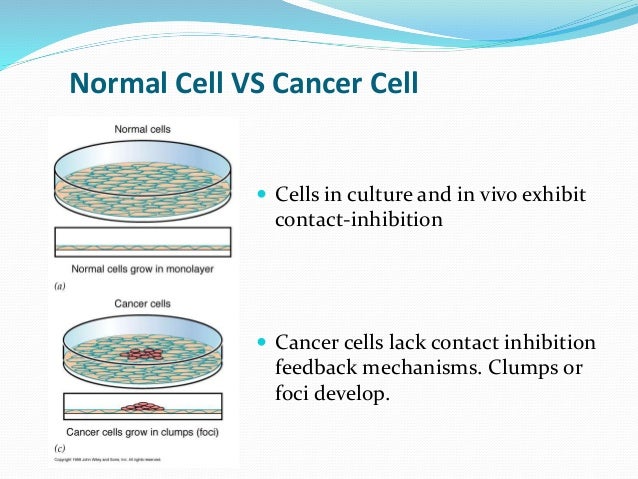
Cancer cells, however, are masters of disruption. They can mutate the genes that code for these proteins, mess with the signaling pathways, or completely ignore the signals altogether. It's like they ripped up the dance instructions and started doing their own crazy, chaotic dance.
For example, some cancer cells might have a faulty version of a protein that's supposed to detect cell-to-cell contact. Other cancer cells might ignore the signal even if it's properly detected, rendering the entire system broken.
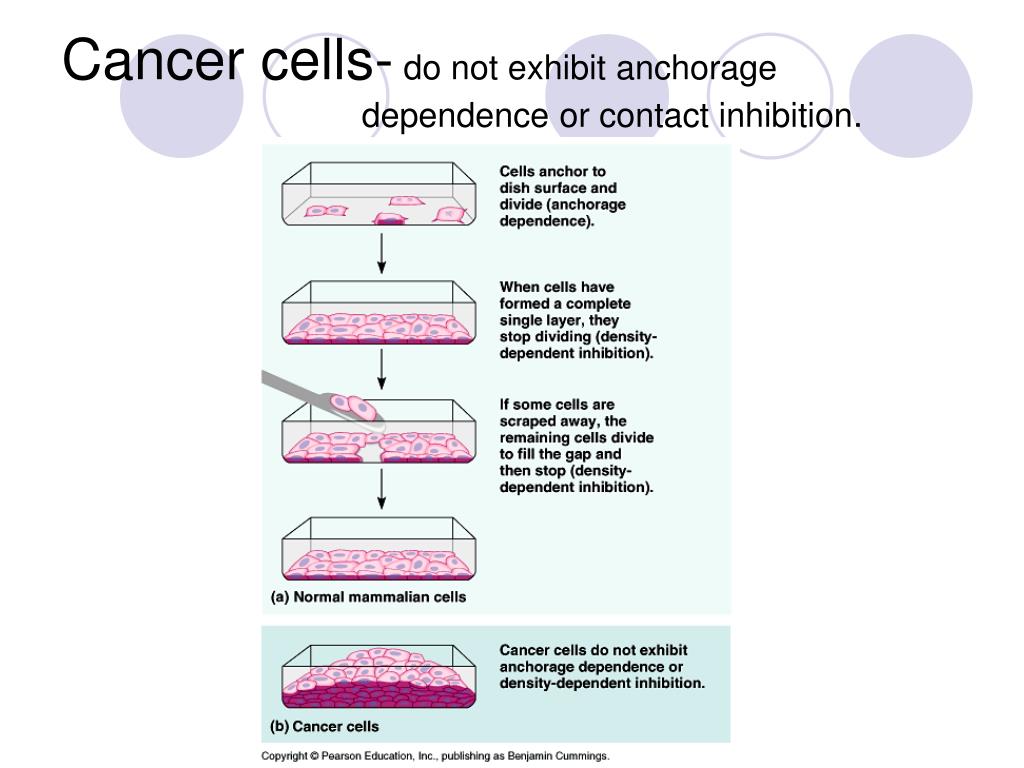
It's important to note that, while many cancer cells show a reduced level of contact inhibition, it's not always completely absent. There can be variations, depending on the type of cancer and the specific mutations it has accumulated. Biology – always keeping us on our toes!
So, mutations are often the culprit here. They disrupt the normal cellular processes that allow for contact inhibition to function correctly. The result? Uncontrolled growth and the formation of tumors.
Why Does This Matter?
Okay, so cancer cells don’t exhibit contact inhibition... big deal, right? Actually, it IS a big deal! Understanding how cancer cells bypass this natural growth-limiting mechanism is crucial for developing new therapies. If we can somehow figure out how to restore contact inhibition in cancer cells, we might be able to stop them from growing and spreading.
Scientists are actively working on ways to target the signaling pathways involved in contact inhibition. They’re trying to find drugs that can "re-educate" cancer cells, coaxing them back into following the rules. Imagine the possibilities! Turning those rebellious cells into well-behaved citizens once again.
So, next time you're thinking about science and cells (as one often does, right?), remember contact inhibition and the rebellious nature of cancer cells. It's a fascinating example of how even the tiniest changes at the cellular level can have huge consequences for our health. And who knows, maybe one day we'll crack the code and find a way to finally tame those unruly cancer cells!