Do Attic Fans Help With Humidity

Ah, summer! The season of sunshine, popsicles, and that all-too-familiar feeling of stepping into a sauna every time you open your front door. We all crave that blissful escape into a cool, comfortable home, a sanctuary from the relentless heat and sticky air outside. It’s why we tinker with thermostats, eye our air conditioners with a mix of reverence and dread, and often look to other solutions to beat the heat. One such solution that frequently enters the conversation is the trusty attic fan.
You know the one. That whirring mechanism up in the rafters, diligently working away while you enjoy a slightly less sweltering existence downstairs. The primary purpose of an attic fan is quite straightforward and undeniably helpful: it's a dedicated heat extractor. Your attic, especially in summer, can become an inferno, reaching temperatures well over 130 degrees Fahrenheit. This superheated air doesn't just sit there; it radiates down into your living spaces, forcing your AC to work overtime and driving up those energy bills. An attic fan's job is to literally suck that scorching air out, replacing it with cooler (though still warm) outside air, thereby reducing the heat load on your home and making your AC's life a little easier.
Attic fans come in various forms – gable-mounted or roof-mounted – and are typically controlled by a thermostat that kicks them on when the attic temperature hits a certain threshold. They’re a common feature in many homes, lauded for their ability to keep the upstairs from feeling like the surface of the sun. But here's where the plot thickens and the big question arises: Do attic fans help with humidity?
Must Read
This is where we need to clear the air, quite literally. While attic fans are champions at removing heat, their role in managing indoor humidity is a bit more nuanced, and frankly, often misunderstood. The short answer is: not directly for your living space, and sometimes, they can even make it worse.

Here's why: Humidity in your living space comes from various sources – cooking, showering, even just breathing – plus any humid outside air that infiltrates your home. An attic fan pulls air from your attic. If your attic is perfectly sealed off from your living space, the fan will just exchange attic air with outside air. However, most homes aren't perfectly sealed. Every recessed light, plumbing vent, electrical wire, or pull-down attic stair creates an opening, a pathway for air exchange.
When an attic fan creates negative pressure in the attic, it can actually pull conditioned, dehumidified air from your living space into the attic, effectively wasting your AC's efforts. Even worse, if there are significant leaks, it can draw hot, humid outside air into your home's living space through those same gaps, increasing your indoor humidity and making you feel even stickier! They can also pull humid air from crawl spaces or wall cavities into the attic, potentially leading to condensation issues in the attic itself if not properly ventilated.
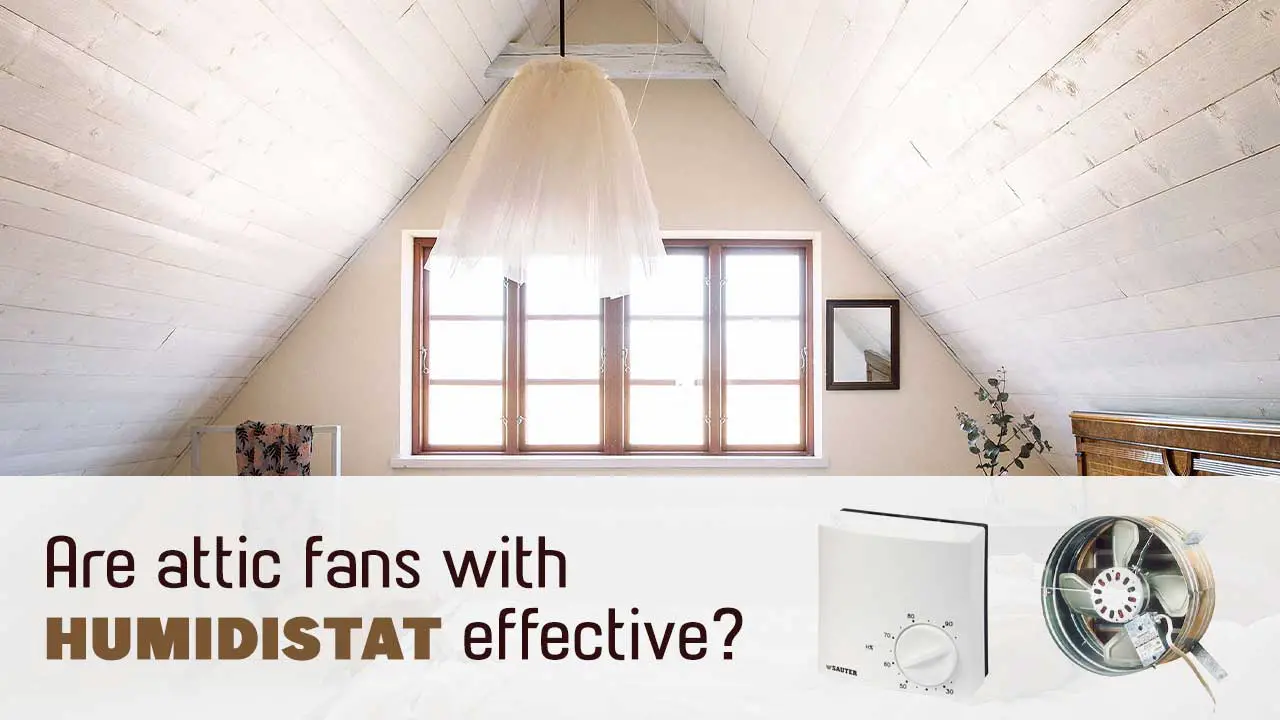
So, how can you enjoy a comfortable, less humid home more effectively? Here are some practical tips:
- Air Seal Your Home First: Before you even think about an attic fan, prioritize sealing air leaks between your attic and living space. This is perhaps the single most important step. Seal around light fixtures, plumbing stacks, wiring penetrations, and any other gaps in your ceiling.
- Ensure Proper Attic Ventilation: Attic fans work best when they have sufficient passive intake ventilation (like soffit vents). They're meant to work with, not against, your attic's natural airflow.
- Insulate Wisely: Good insulation acts as a barrier to heat transfer, reducing the need for extreme measures.
- Address Internal Humidity Sources: Use exhaust fans in bathrooms and kitchens to vent moisture directly outside.
- Consider a Dehumidifier: For persistent indoor humidity issues, a dedicated whole-house or portable dehumidifier is designed precisely for that job. Your AC also dehumidifies, so make sure it's properly sized and maintained.
- Use Your Attic Fan for Heat, Not Humidity: If you have an attic fan, use it primarily for its strength – removing excess heat. But ensure your attic is properly sealed from your living space to prevent it from pulling air where it shouldn't.
In essence, attic fans are great allies in the battle against scorching attic heat, helping your AC relax a little. But when it comes to humidity in your living spaces, they’re often a misdirected effort, and can even be counterproductive if not paired with proper air sealing. Focus on tackling humidity at its source and keeping your home sealed tight, and you'll be well on your way to a truly comfortable, less sticky summer!