Direction That's Down And A Little To The Right
Okay, picture this: I'm at a friend's house for a party. Great music, good vibes, you know the drill. But I needed to find the bathroom. And bless her heart, my friend tried her best to explain. "It's, uh, down the hall... and a little to the right?" A little to the right. Was that a precise architectural instruction? Not even close. Did I wander into a linen closet first? You bet I did. And that, my friends, got me thinking... about "down and a little to the right" directions, both literally and figuratively.
Have you ever noticed how often we rely on vague directions like that? Think about it! Someone asks for directions to the coffee shop, and you're likely to say, "Just head down the street a bit, then it's on the right." No specific landmarks, no distances, just... general vibes. We're all guilty of it! (Don't even try to deny it! 😉)
The Allure of the Vague
So, why do we do it? Why not just say, "Go 200 meters and turn right at the bakery?" Well, there's a few reasons. For starters, it's often just easier. It's less mental effort to give a quick, approximate direction than to meticulously calculate distances and identify landmarks. We're lazy creatures, admit it.
Must Read
Plus, let's be honest, sometimes we don't actually know the exact directions ourselves! We have a general sense of where something is, but we couldn't give you precise GPS coordinates if our lives depended on it. So we default to the trusty "down and a little to the right" approach.
And sometimes, the vagueness is intentional. Think about when you're giving someone advice. "Maybe you should try being a little more assertive." That's the "down and a little to the right" of personal development! You're pointing in a general direction, but you're leaving it up to the other person to figure out the specifics. It's a way of offering guidance without being overly prescriptive. Smart, right?
The Perils of Imprecision
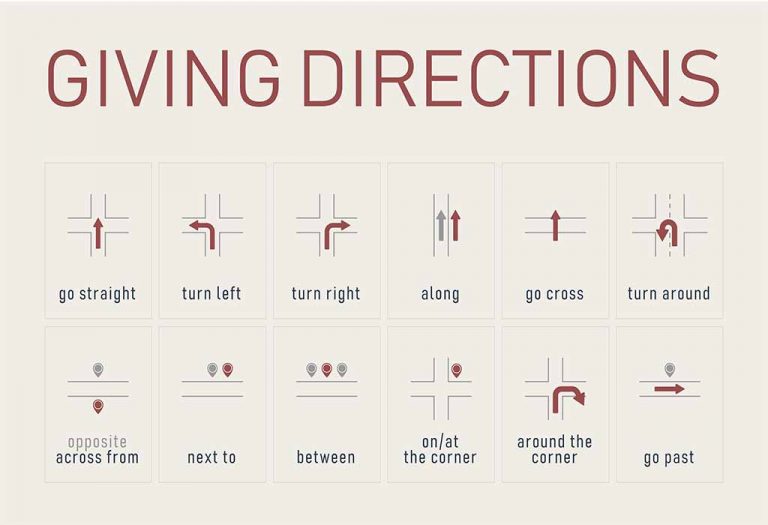
But here's the thing: vague directions can also lead to trouble. Remember my bathroom escapade? Imagine relying on "down and a little to the right" in a more serious situation. What if you're giving someone instructions on how to operate a complex piece of machinery? Or explaining a crucial step in a surgical procedure? Suddenly, imprecision becomes a lot less charming.
The business world is full of examples. A manager tells their team to "think outside the box." Great! But what does that actually mean? Without concrete guidelines, that kind of direction can be incredibly frustrating and unproductive. I mean, what's outside the box anyway? Is it a sphere? A dodecahedron?
Finding the Right Balance
So, where does this leave us? Are we doomed to a world of frustratingly vague directions and endless linen closet visits? Not necessarily. The key, I think, is finding the right balance between precision and flexibility.
Sometimes, you need to be crystal clear. If you're giving someone instructions that could have serious consequences if misunderstood, then be specific! Use precise language, give concrete examples, and don't leave anything up to interpretation. Think "turn right at the stop sign" not "somewhere to the right, you'll know."
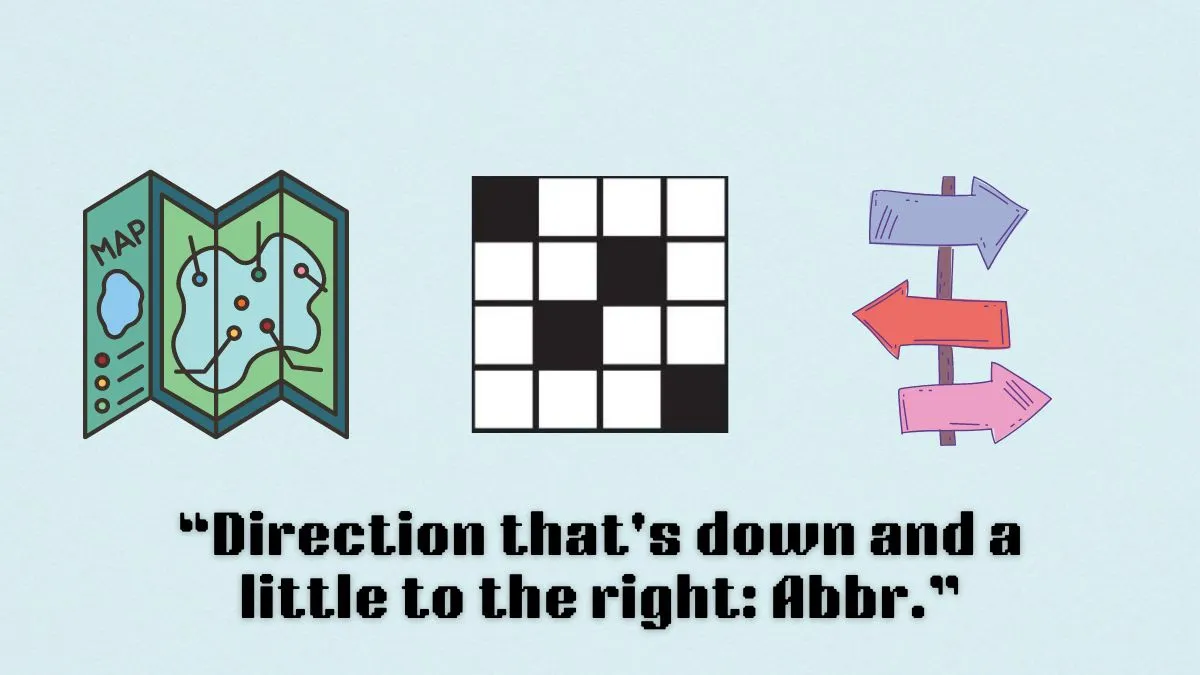
But other times, a little bit of vagueness can be helpful. Especially when you're trying to encourage creativity or empower someone to find their own path. The "down and a little to the right" approach can be a gentle nudge, a way of pointing someone in a general direction without stifling their initiative. This is where trust comes in, trusting that the person can navigate the specifics.
Ultimately, it's about understanding your audience and the situation. Are they looking for precise instructions or a gentle suggestion? Are the stakes high or low? Choose your words carefully, and remember that sometimes, the most helpful direction is the one that's tailored to the individual needs of the person receiving it. And maybe, just maybe, include a map of your house next time. For my sake, you know?
So, the next time you find yourself saying "down and a little to the right," take a moment to consider what you're really communicating. Are you being helpful, or just vaguely pointing in a general direction and hoping for the best? It's a small change, but it can make a big difference. And it might just keep someone from ending up in your linen closet. 😉