
Difference Between Stealing And Robbing

Ever found yourself casually tossing around words like "steal" and "rob" as if they were interchangeable? You're definitely not alone! In everyday chat, we often use them to describe taking something that isn't ours. But here’s a little secret: while both are absolutely illegal and involve someone losing their stuff, there’s a pretty significant distinction that makes all the difference in the world – especially if you’re, you know, actually trying to understand the law (or just want to sound super informed at your next brunch!)
Let's unpack this with a dose of modern magazine flair, some fun facts, and a little bit of legal-lite wisdom. Think of it as your guide to sounding smart without having to go to law school.
The Subtle Art of Stealing: The Quiet Approach
When we talk about stealing, picture someone being a bit more, shall we say, under the radar. Stealing is essentially taking someone's property without their permission and, crucially, without direct confrontation or the use of force or threats. It’s often a sneaky, surreptitious act where the victim might not even know it’s happening until much later.
Must Read
Think about it:
- Shoplifting: Slipping a lipstick into your bag at a store. No one was threatened, but you definitely didn't pay for it.
- Pickpocketing: A skilled hand lifting your wallet from your back pocket on a crowded street. You were there, but you were oblivious until it was too late.
- Car Theft: Your car is parked, you’re at home, and someone hot-wires it or uses a spare key. No face-to-face interaction.
- Embezzlement: A fancy word for stealing money from your employer when you're entrusted with it. Very much a behind-the-scenes operation.
The vibe here is covert. The person whose property is taken is typically unaware at the moment of the act. It’s a breach of trust or an opportunistic grab. Fun fact: The term "kleptomania" refers to a recurrent urge to steal, often not for personal gain but driven by a compulsive psychological need. Talk about complicated!

Practical Tip: To avoid being a victim of stealing, be mindful of your surroundings (especially in crowded places), secure your valuables, and maybe don't leave your car keys in the ignition while you "just run inside for a second." Common sense, right?
The Dramatic Entrance of Robbing: The Forceful Confrontation
Now, robbing? That’s a whole different ballgame. This is where things get significantly more intense and, frankly, much scarier. Robbing involves taking someone's property by force, violence, or the threat of force or violence, and it almost always happens in the presence of the victim.

Imagine these scenarios:
- Bank Robbery: A classic! Someone walks into a bank, brandishes a weapon (or threatens to), and demands cash from the teller. Direct confrontation, clear threat.
- Mugging: Walking down the street, someone stops you, shoves you, and demands your phone and wallet. Force and threat, face-to-face.
- Home Invasion: You’re relaxing at home, and an intruder breaks in, confronts you, and demands your valuables. Scary stuff, and a clear robbery.
The key element here is the confrontation and the imminent fear instilled in the victim. The perp isn't trying to be stealthy; they're using intimidation or actual physical harm to get what they want. Culturally, think of almost any classic heist movie – the "robbery" scene is usually the most dramatic part, full of tension and direct interaction.

Practical Tip: If you ever find yourself in a robbery situation, your safety is paramount. Don't resist if it puts you in more danger. Comply, try to remember details, and report it to the authorities immediately. Your stuff can be replaced; you can’t.
The Nitty-Gritty Difference, Simplified
So, to sum it up in layman's terms:
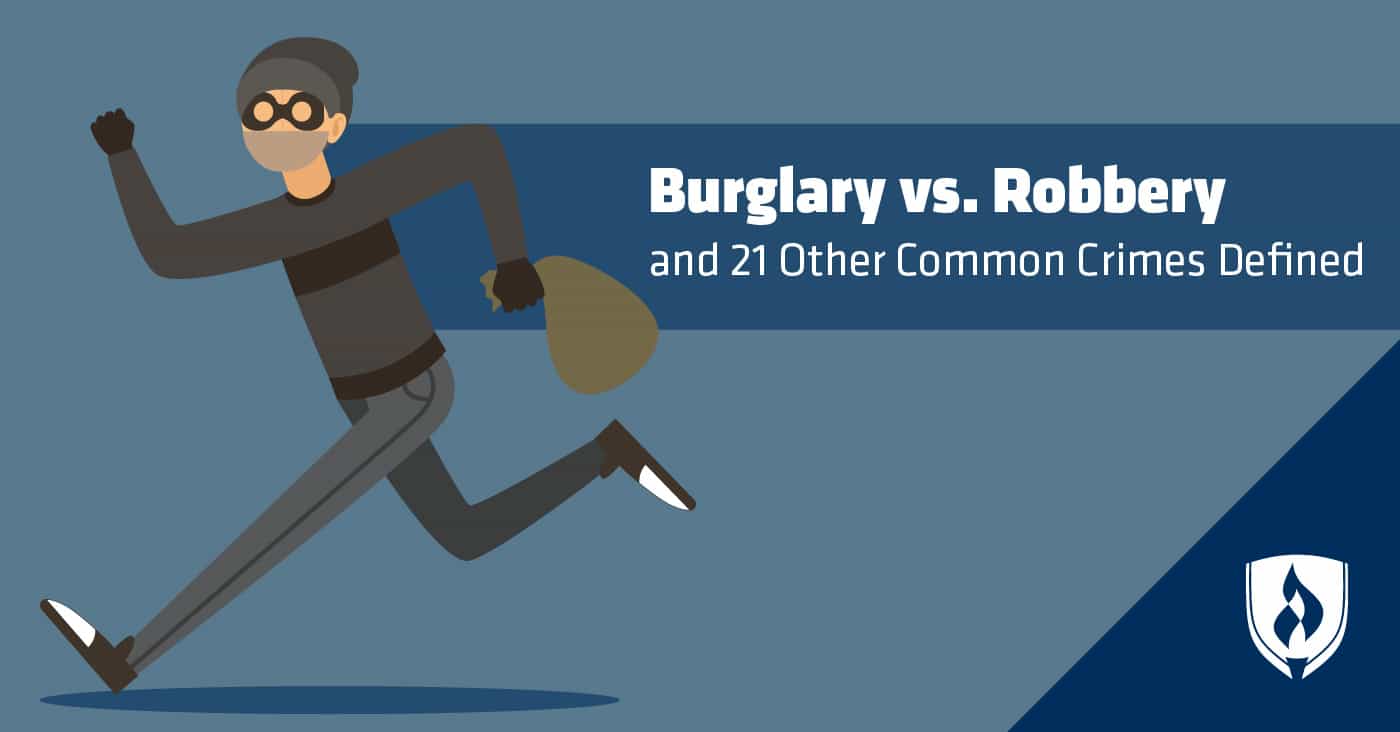
- Stealing = No confrontation, no force/threat. Think of it as a silent, often unseen grab.
- Robbing = Direct confrontation, force/threat used. Think of it as a terrifying, in-your-face demand.
This distinction is super important legally. Robbery is almost always considered a more serious felony due to the element of violence or threat against a person. It's not just about taking property; it's about the violation and trauma inflicted on an individual.
Bringing It Back Home: More Than Just Legal Jargon
While we probably won't be involved in any high-stakes heists (hopefully!), understanding this difference isn’t just for sounding clever. It’s about recognizing the various ways respect for property and personal safety can be violated. On a much smaller, daily scale, it reminds us of the importance of consent, respect, and clear boundaries.
Borrowing a friend's sweater without asking? Maybe not robbery, but definitely not cool. "Forgetting" to return something you borrowed? A subtle form of taking without permission. These aren't crimes, of course, but they echo the core idea of taking what isn't yours. Let's all strive to be the kind of people who respect boundaries, whether it's someone's physical belongings or their peace of mind. After all, a little integrity goes a long way in making the world a smoother, safer place for everyone.