
Difference Between Soldering Brazing And Welding
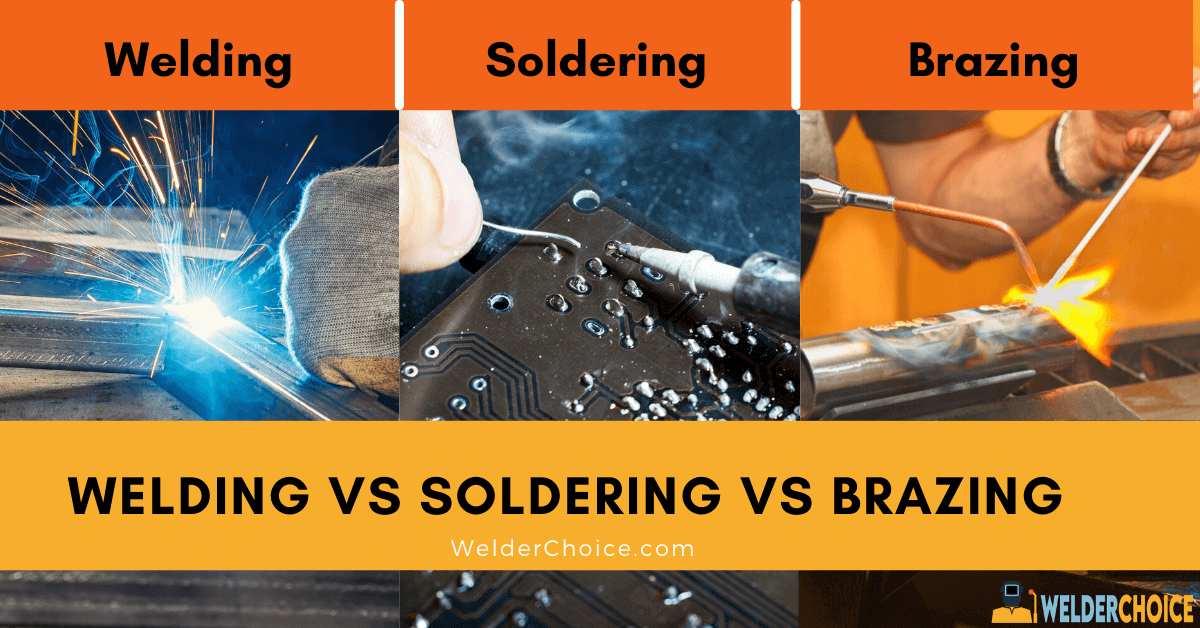
Ever wondered how metal things are stuck together? It's not always glue! Sometimes, it's a fiery dance of heat and science. We're talking about soldering, brazing, and welding – three metal-joining techniques with totally different vibes.
Let's Talk Joining Metal!
Think of these methods as different levels of commitment. Soldering is like a casual friendship. Brazing is a serious relationship. And welding? Well, that's a full-on marriage, metal to metal!
Soldering: The Gentle Touch
Soldering is the friendliest of the bunch. It uses a filler metal with a low melting point. This means you don't need scorching temperatures.
Must Read
Imagine melting chocolate to stick graham crackers together. Soldering is kind of like that! You melt the solder, it flows into the joint, and boom – connection made.
It's perfect for delicate electronics, like fixing that pesky wire in your headphones. It's also great for jewelry making and some plumbing tasks.
Soldering is awesome because it's relatively easy to learn. Plus, you usually don't need super expensive equipment. Think of it as the gateway drug to metal joining!
Brazing: Getting Serious
Brazing is a step up from soldering. It uses a filler metal with a higher melting point.
Think of brazing as using a super-strong glue that needs a bit of heat to activate. The base metals (the metal you're joining) don't melt, but the filler definitely does!
It's often used for joining copper pipes in plumbing. It's also handy for manufacturing tools and repairing car radiators.
Brazing requires a bit more skill and heat than soldering. But the reward is a much stronger and more durable joint. It's a worthwhile upgrade when you need something tougher!
Welding: The Ultimate Bond
Welding is the king (or queen!) of metal joining. It involves melting the base metals themselves.
Forget filler metals in some cases. With welding, you're essentially fusing the metals together directly. It's like merging two puddles of molten metal into one.
Welding creates an incredibly strong bond. It can handle heavy loads and extreme conditions.
Welding can be intimidating because it involves high temperatures and specialized equipment. There are also different types of welding, such as MIG welding, TIG welding, and stick welding, each with its own techniques and applications.
The Heat Is On!
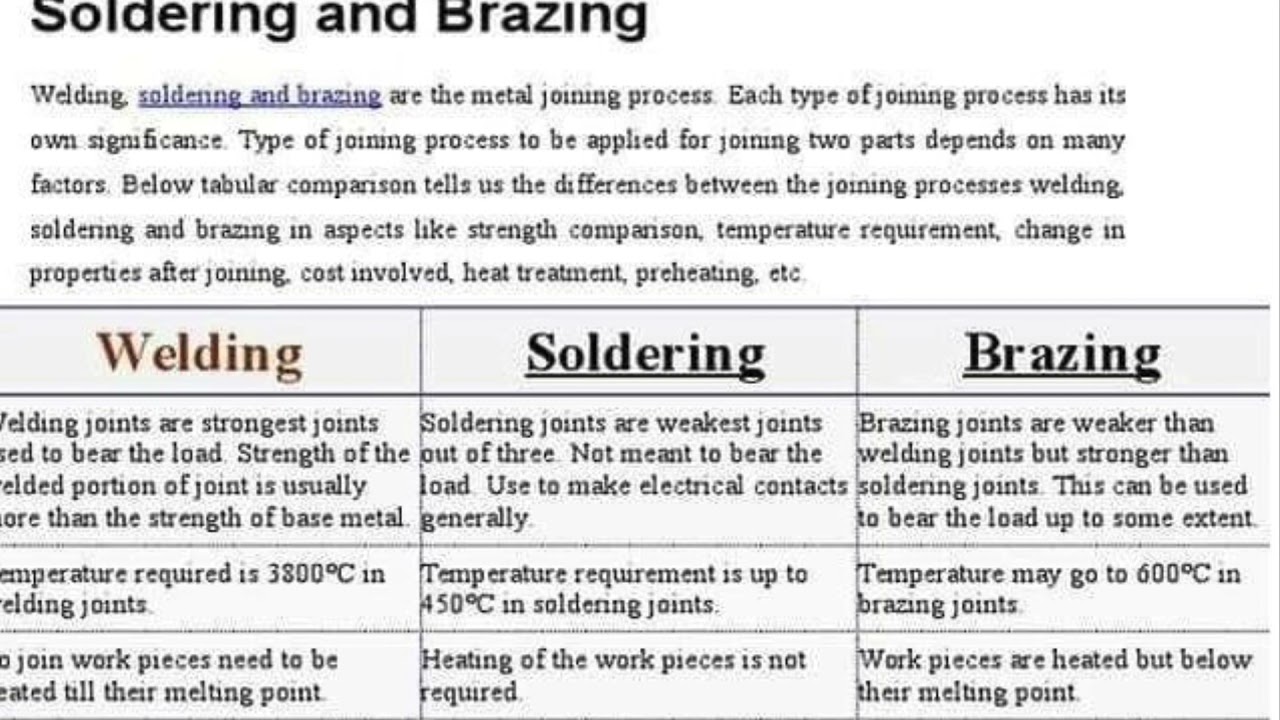
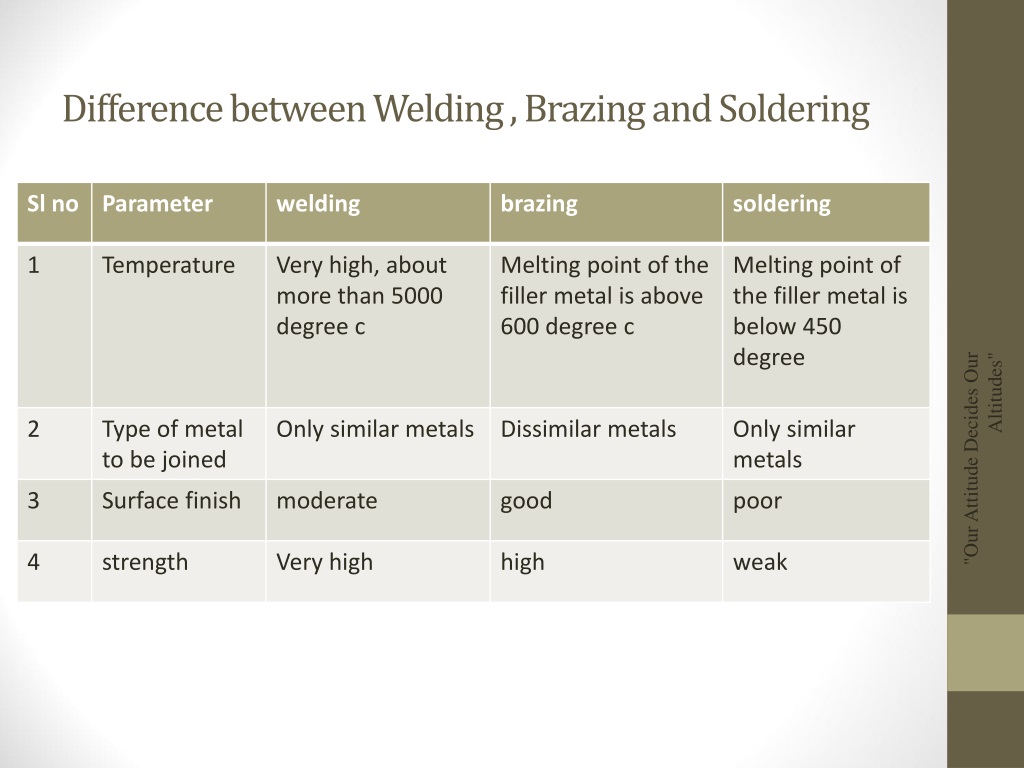
So, what's the main difference? It all boils down to temperature and strength. Soldering is low heat, low strength. Brazing is medium heat, medium strength. And welding is high heat, high strength.
The melting point of the filler metal is a key factor. Soldering uses fillers that melt below 450°C (842°F). Brazing uses fillers that melt above that temperature. Welding, often doesn’t rely on the filler material but the base metal itself.

Equipment and Safety First!
Each process requires different equipment. Soldering uses a soldering iron or soldering station. Brazing uses a torch and flux. Welding requires a welding machine, helmet, gloves, and other protective gear.
Safety is paramount when working with these techniques. Always wear appropriate safety glasses or a welding helmet to protect your eyes. Use gloves to protect your hands from burns. And work in a well-ventilated area to avoid inhaling fumes.
Respect the heat! Metalworking is fun but it can be dangerous if you do not practice proper safety and precautions.
Why It's So Entertaining
Watching someone solder a tiny circuit board can be mesmerizing. It's like watching a surgeon perform a delicate operation, only with metal instead of flesh. It is often very satisfying to create something functional out of a set of random parts.
Brazing is cool because you get to use a torch! There's something inherently satisfying about wielding fire to join metal. It feels like you're harnessing the power of the sun.
Welding is just plain awesome. The sparks, the molten metal, the intense heat – it's a spectacle to behold. Seeing a strong, solid weld form before your eyes is incredibly rewarding.
Plus, with each technique, you're creating something new. You're taking separate pieces of metal and transforming them into a single, functional object. It's a creative and empowering process.
Choosing the Right Technique
So, how do you choose the right method for your project? Consider the strength requirements, the materials you're working with, and your skill level. Soldering is great for beginners. Brazing is a good step up for intermediate users. Welding is best left to experienced professionals (at least initially!).
Think about what you are trying to make. Do you need strength or precision? Think about how you need to use the final product.
Don't be afraid to experiment! Start with soldering and work your way up. There are tons of resources online to help you learn these techniques. YouTube is your friend!
Inspiration Awaits
Imagine building your own custom computer, repairing a vintage bicycle, or creating a metal sculpture. With soldering, brazing, and welding, the possibilities are endless. These skills open up a world of creative and practical projects.
Picture this: You are building your own robots, furniture, or maybe even a car! With practice and determination, you can become a master of metal.
So, grab a soldering iron, a torch, or a welding machine and start experimenting. You might just discover a hidden talent for metal joining! Who knows? You could become the next great metal artist or engineer. Give it a try – you might surprise yourself!
You will never know what you can do until you try!
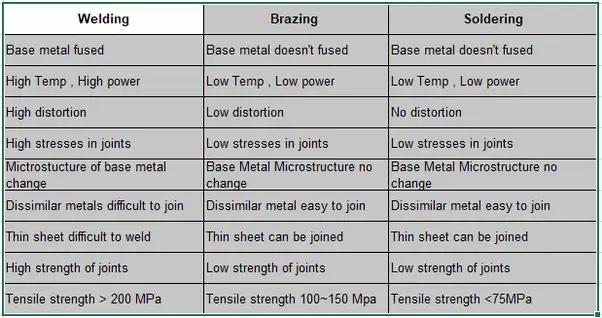
Soldering, Brazing, Welding: A Quick Comparison
Let’s recap the main differences between these three amazing metal-joining processes.
Soldering: Low temperature, low strength, uses solder as a filler metal. Ideal for electronics and delicate work.
Brazing: Medium temperature, medium strength, uses a brazing alloy as a filler metal. Perfect for plumbing and joining dissimilar metals.
Welding: High temperature, high strength, fuses the base metals together. Used in construction, manufacturing, and heavy-duty applications.
Remember to prioritize safety. Always wear protective gear and work in a well-ventilated area. Now get out there and start joining some metal!
Have fun, be safe and be creative!