
Difference Between Smoke Alarm And Carbon Monoxide Alarm

Ever walked into a store or scrolled online for home safety gadgets and felt a tiny flicker of confusion? You're not alone! Among the myriad of smart home tech and essential safeguards, two stand out as absolute non-negotiables: the smoke alarm and the carbon monoxide (CO) alarm. They often look pretty similar, those little disks on your ceiling or wall, but trust us, they're like two different superheroes with very distinct powers.
Let's dive into this friendly guide to demystify these home heroes, because knowing the difference isn't just smart, it's peace-of-mind fuel.
Meet Your Fire Fighter: The Smoke Alarm
First up, the classic. The smoke alarm is pretty much what it says on the tin: it detects smoke. This is your early warning system for a fire, whether it’s a forgotten pan on the stove, an electrical short, or a runaway candle flame. Think of it as your home's nose, constantly sniffing the air for those tell-tale particles that signal a smoky situation.
Must Read
There are generally two types of smoke alarms:
- Ionization alarms: These are super sensitive to fast-flaming fires, like a grease fire in the kitchen. They have a tiny bit of radioactive material (don't worry, it's safe!) that ionizes the air, and smoke disrupts that current, triggering the alarm.
- Photoelectric alarms: These are better at detecting smoldering fires, like a cigarette left on a couch that slowly fills the room with smoke before bursting into flames. They use a light beam and a sensor; when smoke enters the chamber, it scatters the light into the sensor, setting off the alarm.
Many modern alarms are dual-sensor, combining both technologies for comprehensive coverage. Smart move, right?
Introducing the Silent Guardian: The Carbon Monoxide Alarm
Now, for the stealthy one. The carbon monoxide alarm is designed to detect a gas that's often referred to as the "silent killer." Why silent? Because carbon monoxide (CO) is colorless, odorless, and tasteless. You can't see it, smell it, or taste it, but it's incredibly dangerous.
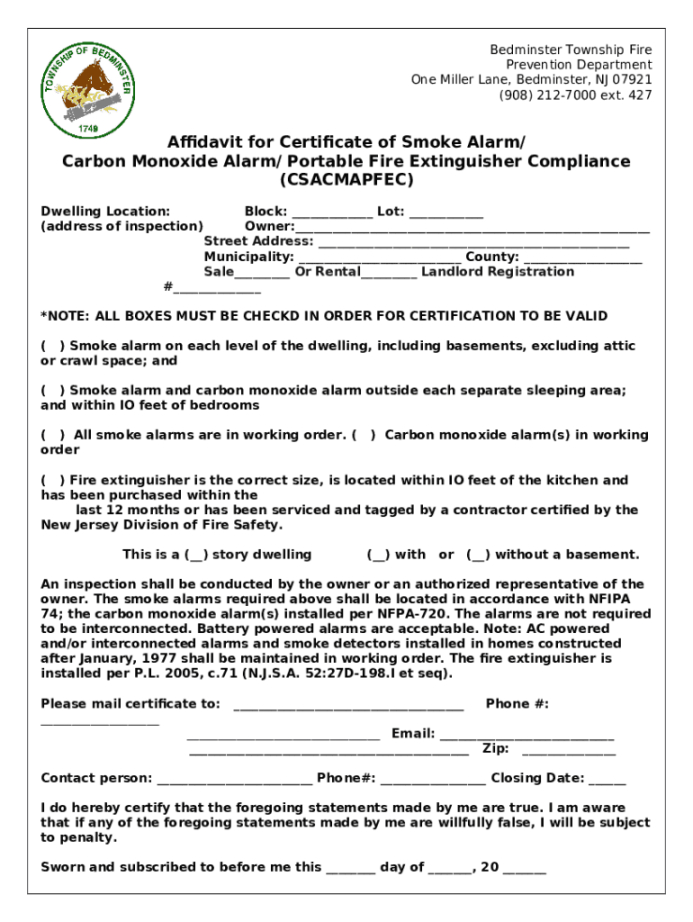
CO is produced when fuels don't burn completely. Think furnaces, gas stoves, water heaters, fireplaces, charcoal grills used indoors, or even idling cars in an attached garage. When CO is inhaled, it prevents your blood from carrying oxygen, leading to flu-like symptoms initially (headache, dizziness, nausea) and, if exposure continues, can quickly become fatal. It's like your body's oxygen delivery system gets hijacked without you even knowing it.
This is why a CO alarm is so critical. It's the only way to detect this invisible threat and give you time to ventilate your home or get to safety. It's truly a lifesaver that works in secret.
The Key Differences: Not Interchangeable!
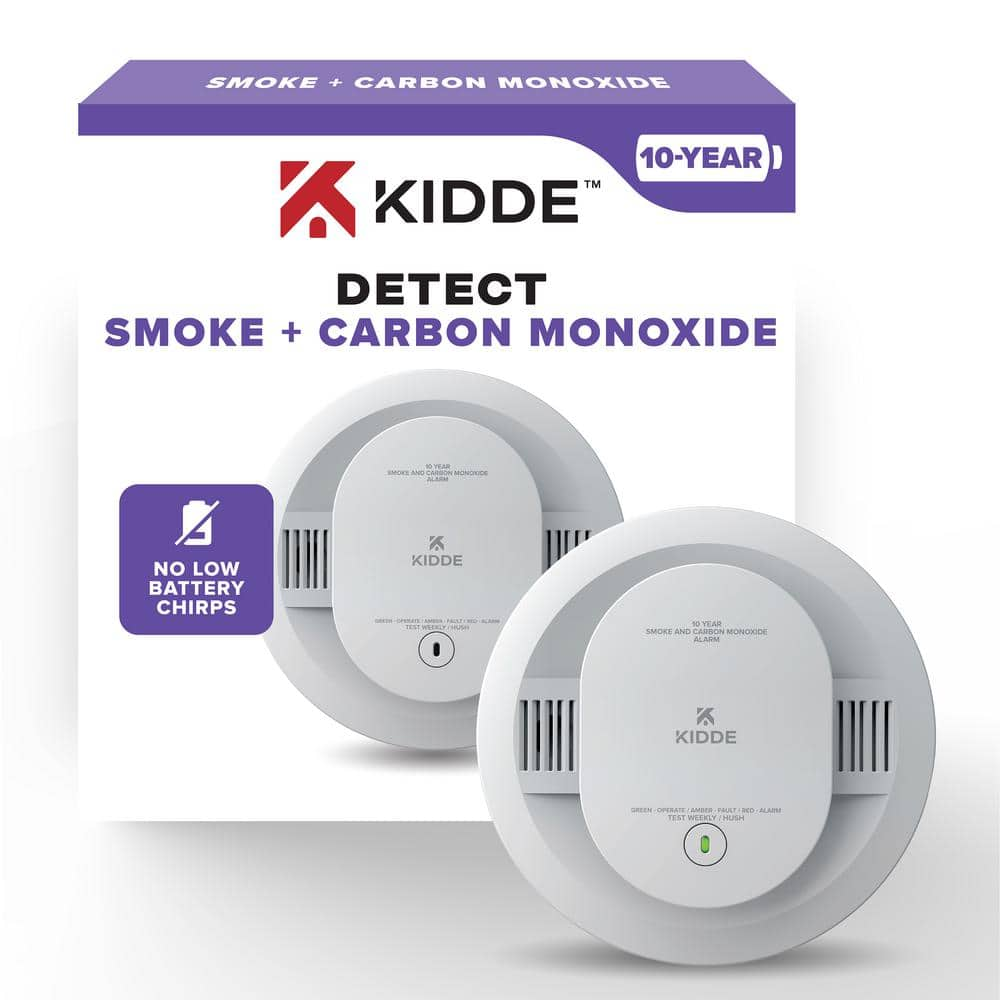
Here’s the absolute, non-negotiable takeaway: a smoke alarm does NOT detect carbon monoxide, and a carbon monoxide alarm does NOT detect smoke. They are specialized tools for specialized threats.
Imagine using a wrench to hammer a nail – sure, they're both tools, but they do very different jobs. Same concept here.
Smoke alarms detect particles of combustion (the stuff that comes off a fire). CO alarms detect the presence of CO gas molecules. Different sensors, different dangers.
Practical Tips for a Safer Abode
Alright, armed with this knowledge, what's next? Here are some simple, actionable tips:
For Smoke Alarms:
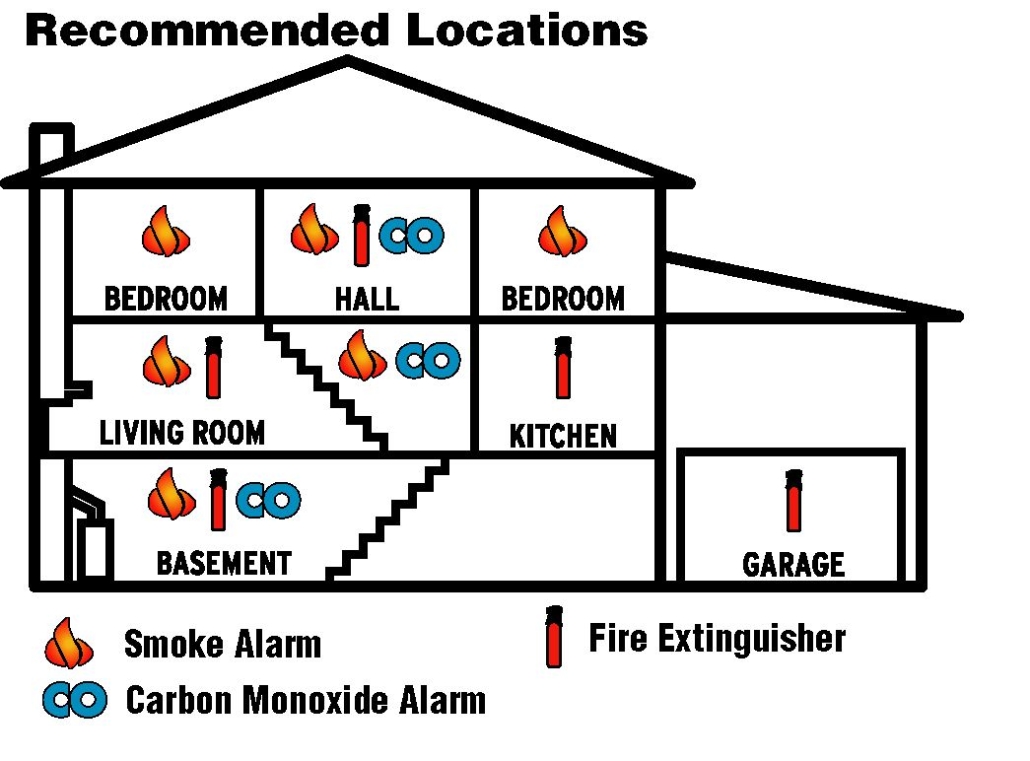
- Location, Location, Location: Install them on every level of your home, inside each bedroom, and outside every sleeping area.
- Test Monthly: Press that 'test' button once a month! It's a quick chirp that ensures it's working.
- Battery Check: Change batteries at least once a year. A good reminder is to do it when you change your clocks for Daylight Saving Time.
- Replace Units: Smoke alarms have a lifespan! They typically need to be replaced every 10 years. Check the manufacture date on the back.
For Carbon Monoxide Alarms:
- Strategic Placement: Place them near sleeping areas and near any fuel-burning appliances. Avoid placing them right next to gas appliances or in humid areas like bathrooms, as steam can trigger false alarms.
- Test Monthly: Just like smoke alarms, give them a monthly press.
- Battery Check: Annually, along with your smoke alarms.
- Replace Units: CO alarms usually last between 5-7 years, again, check the manufacturer's recommendations.
Combo Units: The Best of Both Worlds?

Yes, you can absolutely get combination smoke and CO alarms! These are super convenient as they offer dual protection in one sleek unit. Just remember that even with combo units, you still need enough of them strategically placed throughout your home for optimal coverage.
The Upshot: A Little Vigilance Goes a Long Way
Think of your home as your sanctuary, a place where you can relax, create, and simply be. Knowing you've got both your smoke alarm and CO alarm doing their crucial jobs is like having a reliable, invisible safety net. It frees you up to enjoy those spontaneous dance parties in the living room, that cozy movie night, or even that ambitious new recipe without an underlying hum of worry.
So, take a few minutes this weekend. Check those little disks on your walls and ceilings. Give them a quick test. And know that you've just made your happy place a whole lot safer. Because home isn't just where the heart is, it's where safety should be paramount.