Difference Between Single Phase And Three Phase

Ever wondered about the mysterious electricity that powers our homes and industries? We flip a switch and lights come on, appliances hum to life, and factories churn out goods. But behind this seemingly simple act lies a fascinating world of electrical power, and a key distinction lies between single-phase and three-phase power. Why should you care? Because understanding these differences can help you appreciate the infrastructure that supports modern life and even make informed decisions about your own energy usage.
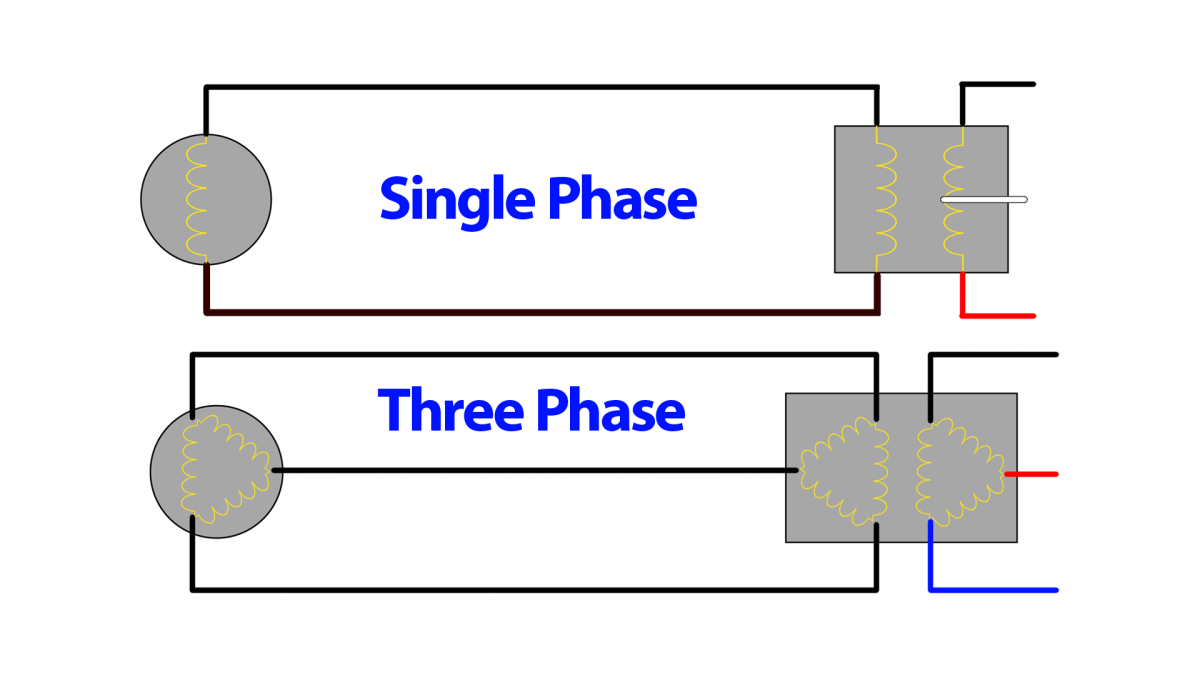
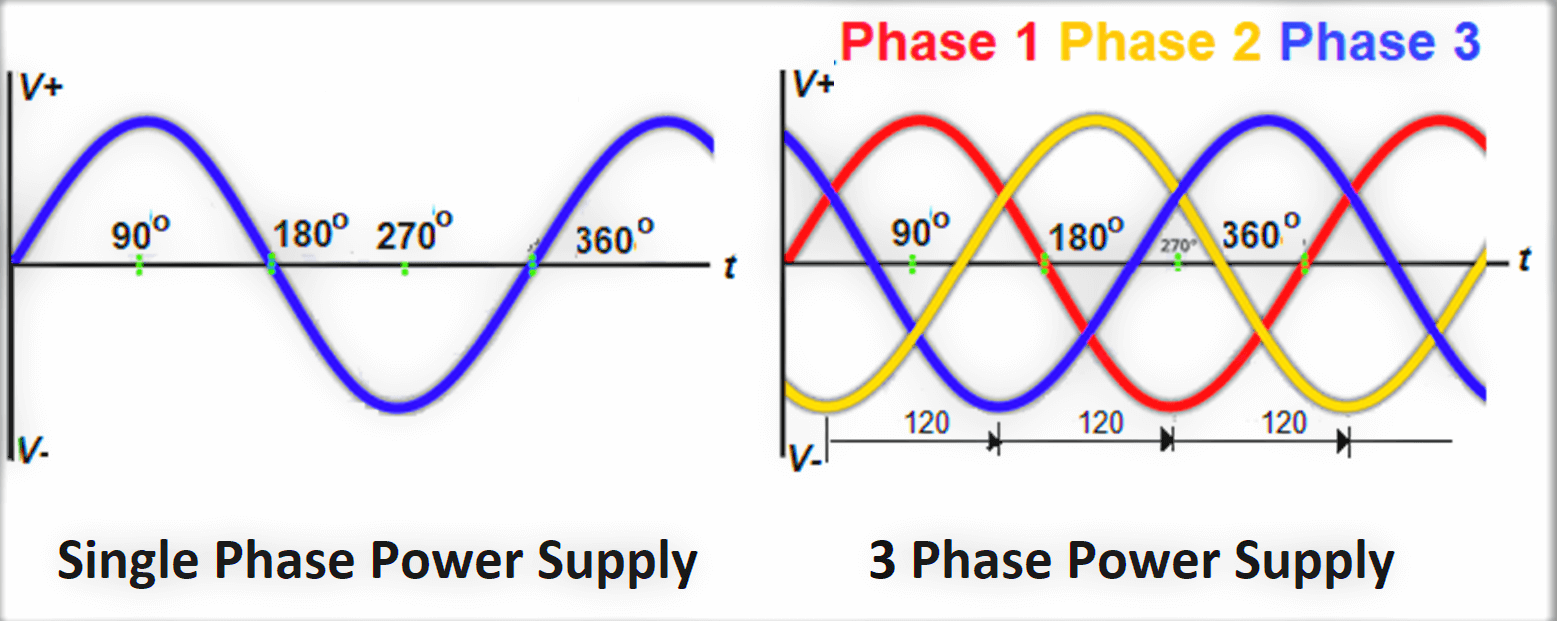
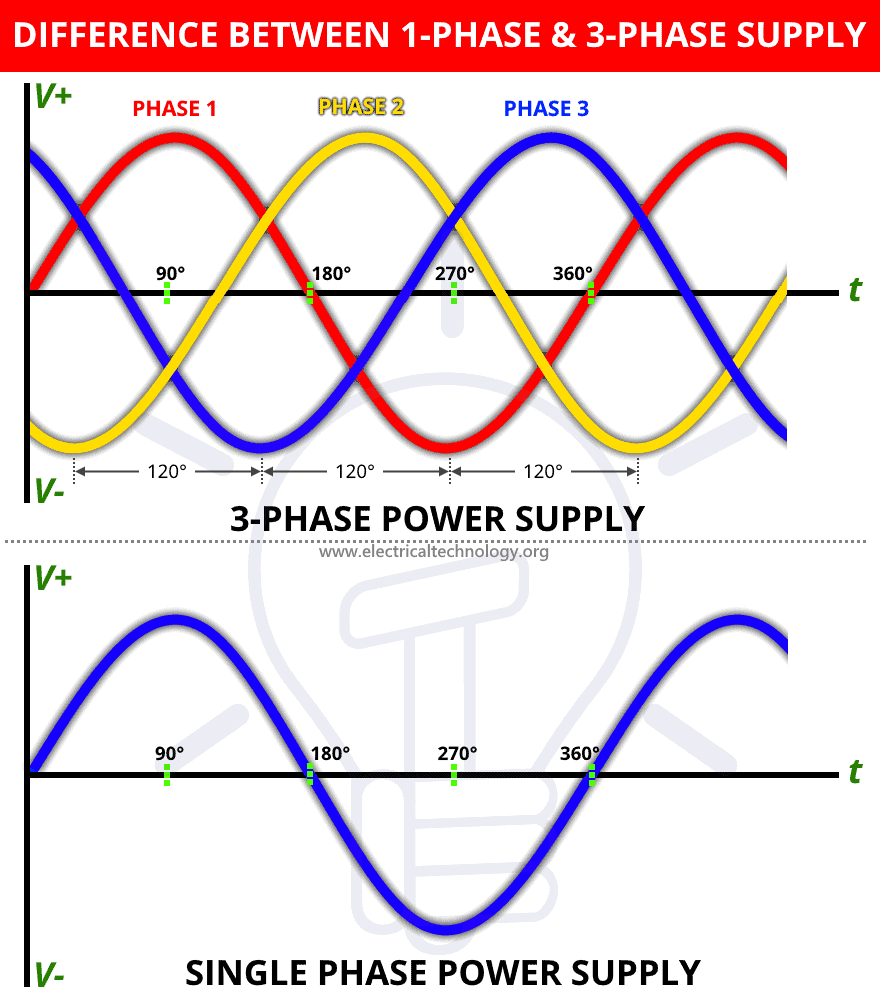
At its core, electricity is about the flow of electrons. Imagine a river flowing through wires. Single-phase power is like a single, steady stream. It’s relatively simple and sufficient for powering most residential appliances and smaller devices. Think of your refrigerator, television, and even your computer – all likely running on single-phase power. The beauty of single-phase lies in its simplicity and relatively low cost to implement in homes. It’s readily available through standard wall outlets, making it the perfect choice for everyday household needs.
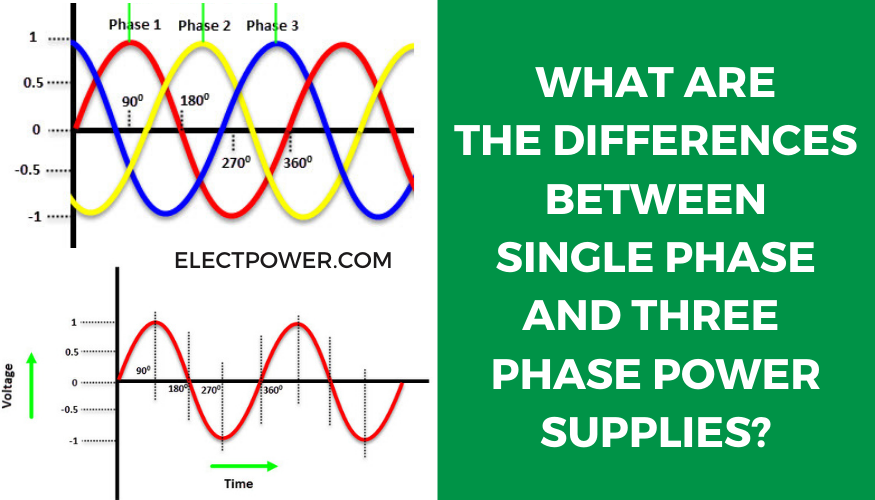
However, when it comes to powering larger, more demanding equipment, single-phase starts to falter. That's where three-phase power steps in. Instead of a single stream, three-phase power is like three rivers flowing together, each slightly out of sync. This staggered delivery of power results in a smoother, more consistent flow of energy, capable of handling significantly higher loads. Imagine a factory with heavy machinery, a large commercial building with powerful air conditioning systems, or even an electric vehicle charging station – these are all prime examples of where three-phase power shines.
Must Read
The benefits of three-phase power are numerous. Firstly, it delivers more power for the same wire size, making it more efficient for high-demand applications. Secondly, it provides a more consistent power flow, reducing vibrations and extending the lifespan of motors and other equipment. Thirdly, it allows for smaller and lighter motors to be used for the same power output, which can be a significant advantage in industrial settings. In essence, three-phase power is the workhorse of modern industry, enabling the production of goods and services on a massive scale.
So, how can you appreciate this complex system more effectively? While you likely won't be installing three-phase power in your home anytime soon (unless you have a very specific need!), understanding the concept can help you become a more informed consumer. Pay attention to the power requirements of appliances and devices, especially larger ones. Consider energy-efficient options, regardless of whether they use single-phase or three-phase power (in industrial contexts). And most importantly, appreciate the complex infrastructure that allows us to enjoy the comforts and conveniences of modern life. Next time you flip a switch, remember the flow of electrons, the dance of single-phase and three-phase power, and the ingenuity that makes it all possible.
While practically you don’t need to ‘enjoy’ electricity in a conventional sense, you can make choices that minimize its environmental impact, by selecting energy-efficient appliances, and turning off devices when not in use. Embracing energy conservation is a practical way to appreciate the value of electricity, and to reduce your carbon footprint.