
Difference Between Metal And Transition Metal
So, picture this: I'm at a ridiculously hipster coffee shop (you know the type, where they only serve pour-over and judge you for ordering milk), and I overhear two chemistry students arguing. Not about lab techniques or the merits of different titrations, but about... the difference between metals and transition metals. I almost choked on my ethically sourced, shade-grown, single-origin coffee. It's like arguing about whether a pug is a dog. (Spoiler alert: it is.) But it got me thinking, maybe it's not that obvious for everyone. So, let's dive in!
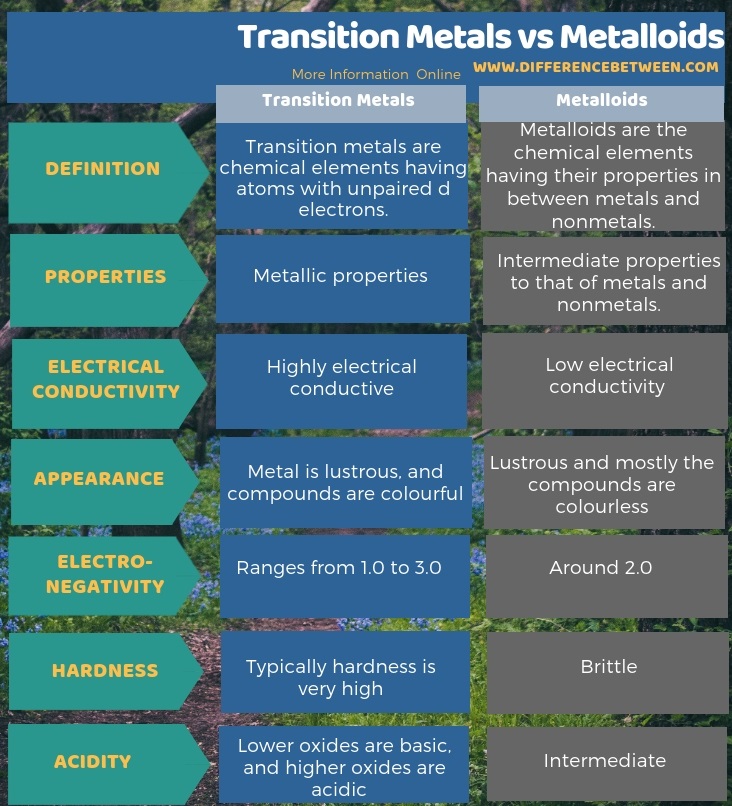
Basically, all transition metals are metals, but not all metals are transition metals. It's like a super-exclusive club within the already pretty cool "Metal Kingdom."
What Exactly Is a Metal?
Okay, before we get fancy, let's cover the basics. What makes something a metal? Think about the classic characteristics: shiny, conducts electricity, conducts heat, malleable (can be hammered into sheets), and ductile (can be drawn into wires). Copper wiring? Metal. Silver spoon? Metal. That rusty old bike in your garage? Still metal, even if it's trying to hide its metallic identity under a layer of decay. (Poor bike.)
Must Read
These properties come from the way metal atoms bond. They have this “sea of electrons” situation going on, where electrons are delocalized and can move freely. This is what allows them to conduct electricity and heat so well. The free electrons also allow the atoms to slide past each other, making them malleable and ductile. Pretty neat, huh?
Enter the Transition Metals: The Cool Kids
So, what makes a metal a transition metal? Here's where it gets a bit more specific (and a little more hand-wavy, depending on who you ask). Transition metals are elements in the d-block of the periodic table. Okay, put down the pitchforks! I'll break that down.

Think of the periodic table like a giant apartment building. The d-block is a section of apartments in the middle, occupied by the transition metals. The key characteristic is that they have partially filled d orbitals in at least one of their common oxidation states. (Oxidation states are like the different "outfits" an atom can wear when bonding with other atoms).
Why does this matter? Because those partially filled d orbitals lead to some pretty interesting properties!
Colored compounds: Remember all those vibrant colored solutions you saw in chemistry class? A lot of those were transition metal compounds. This is because the d electrons can absorb certain wavelengths of light, leading to the colors we see.
Variable oxidation states: Transition metals can form ions with different charges (e.g., iron can be Fe2+ or Fe3+). This allows them to participate in a wider range of chemical reactions. They're versatile like that.
Catalytic activity: Many transition metals are excellent catalysts, meaning they speed up chemical reactions without being consumed themselves. Think of them as tiny matchmakers, bringing other molecules together.
Examples, Please!
Let's clarify with some examples:

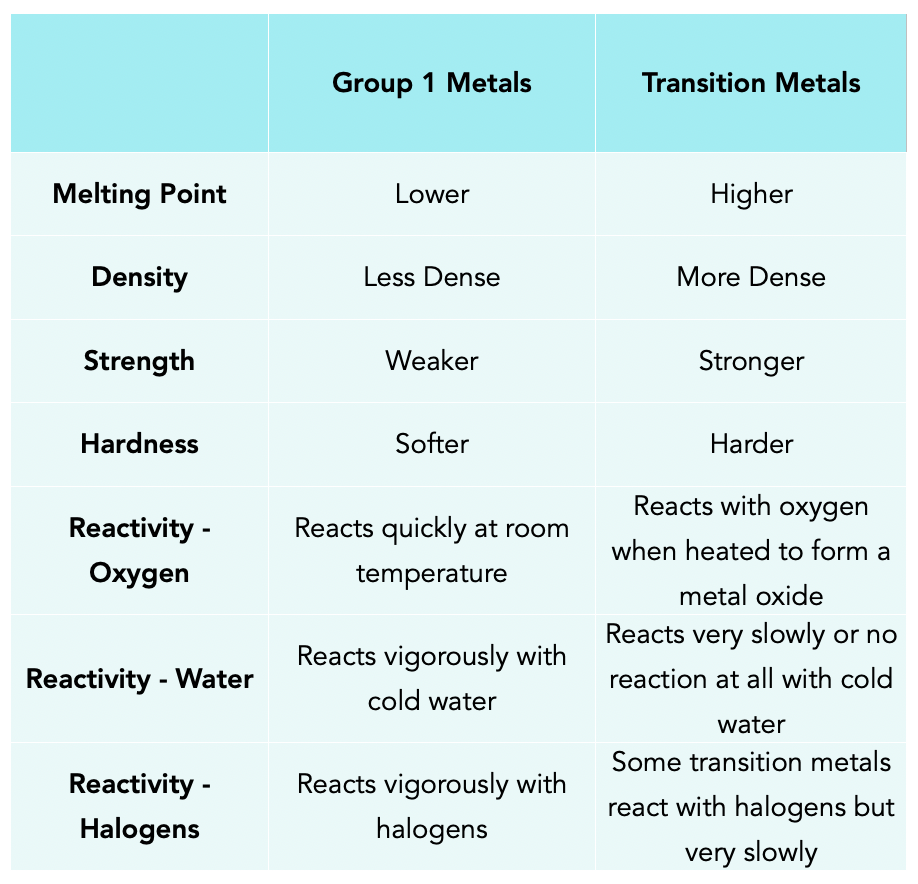
- Metals (but not transition metals): Sodium (Na), Potassium (K), Calcium (Ca), Magnesium (Mg), Aluminum (Al). These are generally good conductors, malleable, and ductile, but they don't have partially filled d orbitals. They're still great metals, just not transition metals.
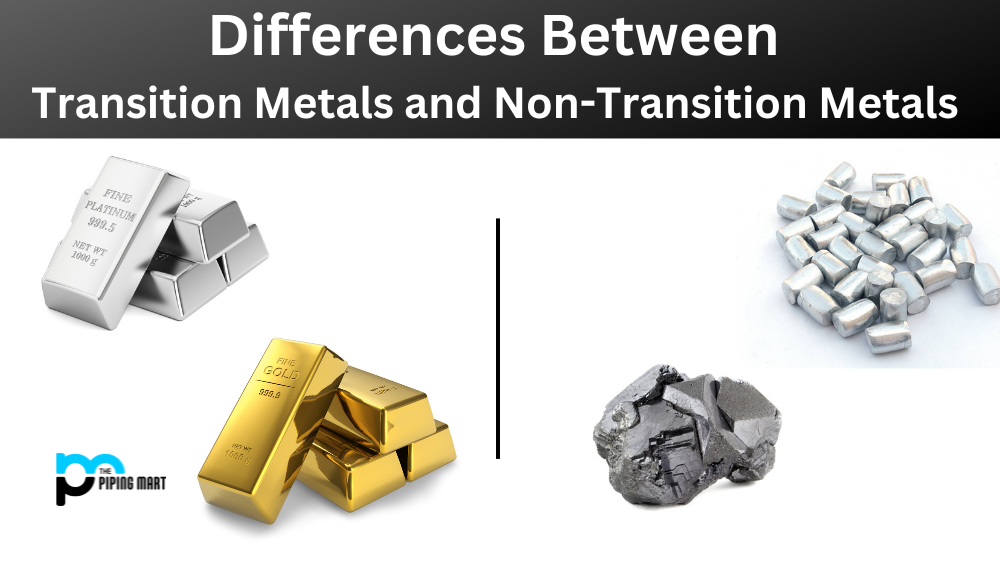
- Transition Metals: Iron (Fe), Copper (Cu), Gold (Au), Silver (Ag), Titanium (Ti), Platinum (Pt). These guys have all the metallic properties plus those special d-orbital powers!
Gold and silver, for example, are prized for their beauty and resistance to corrosion. Iron is crucial for making steel (and, you know, blood). Copper is everywhere in electrical wiring. These metals literally build our world!
In a Nutshell...
So, to summarize, all transition metals are metals because they share the fundamental metallic properties. However, transition metals have the added bonus of partially filled d orbitals, which give them unique characteristics like colored compounds, variable oxidation states, and catalytic activity. They're the special ops team of the metal world. Okay, maybe that's a bit much, but you get the idea!
Hopefully, the next time you're at a hipster coffee shop and overhear a similar debate, you can confidently jump in and set the record straight. And if you happen to spill some ethically sourced coffee in the process, well, at least you'll be doing it with scientific knowledge on your side. Now, if you'll excuse me, I need to go find a pug to confirm that it is, indeed, a dog.