Difference Between Gas Oven And Electric Oven
Ever wondered why your grandma swears by her gas oven for the perfect roast, while your friend raves about their electric oven's consistent baking? It's a tale as old as time (well, maybe not that old!), and understanding the difference between gas and electric ovens is more than just kitchen trivia. It's about understanding how you cook, how your food turns out, and maybe even how to save a few bucks on your energy bill! Plus, knowing the nuances can empower you to become a more confident and creative cook.
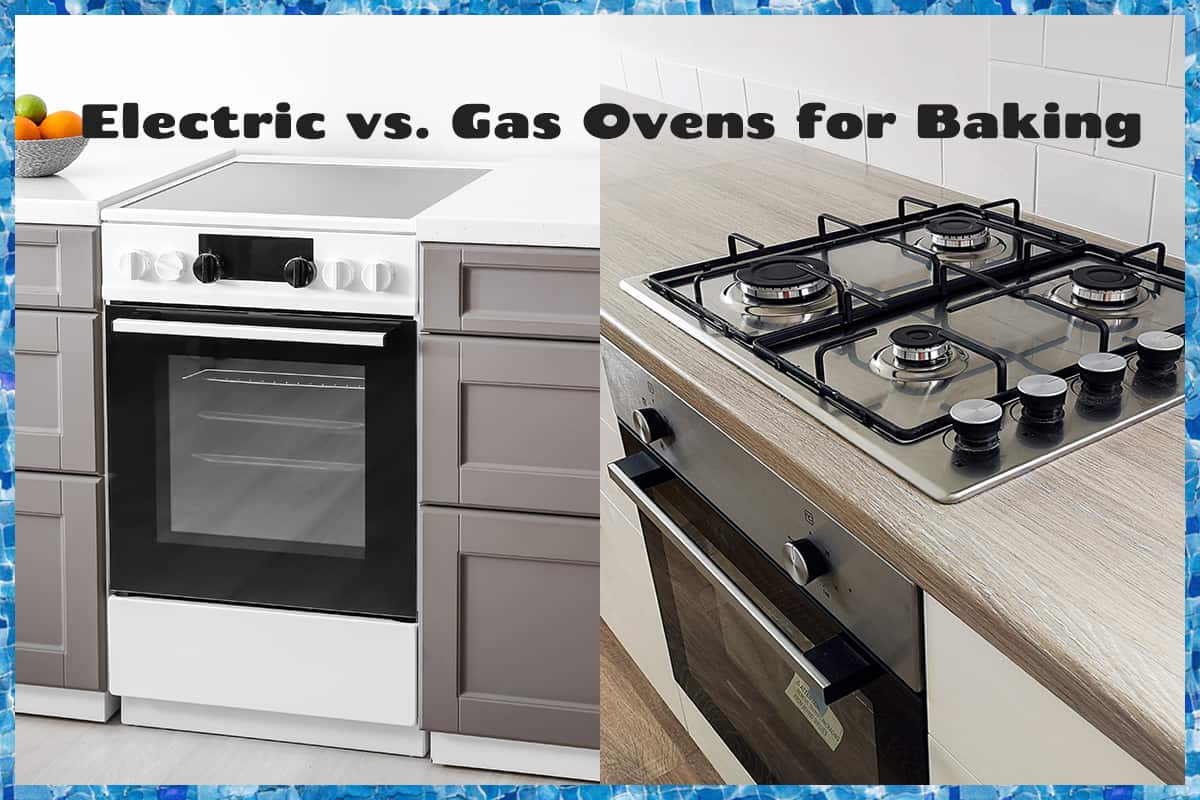
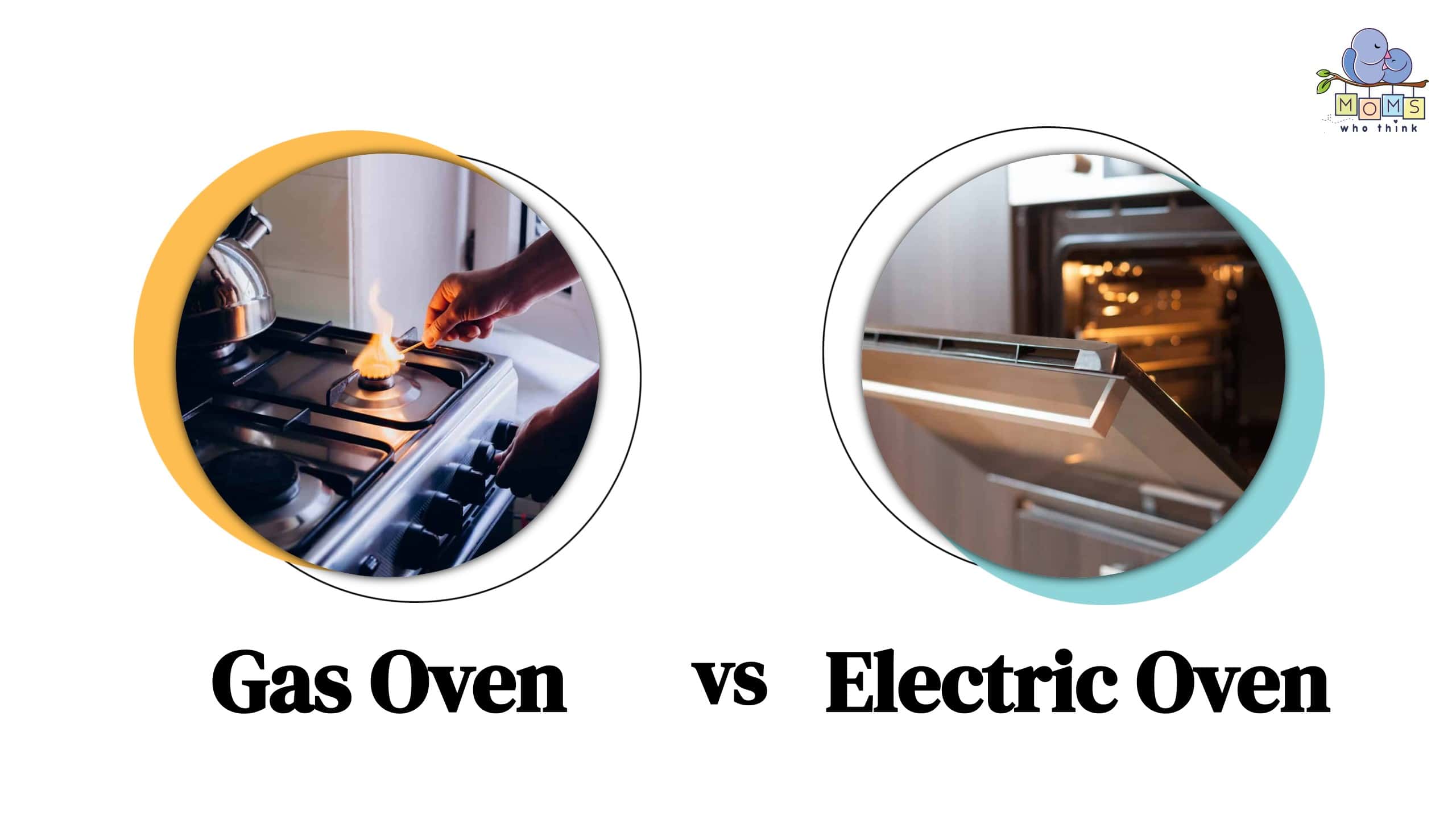
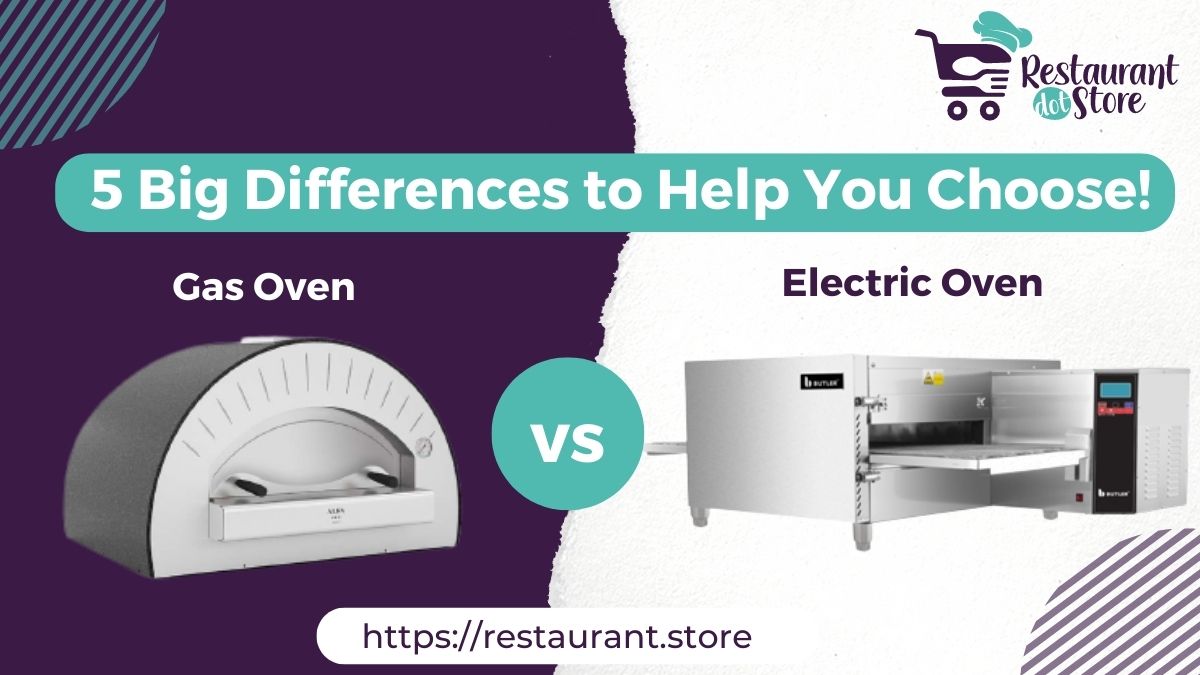
At their core, both gas and electric ovens serve the same purpose: to cook food using heat. They provide enclosed, temperature-controlled environments where food can bake, roast, or broil. The fundamental difference lies in how that heat is generated. A gas oven uses a gas burner, typically located at the bottom of the oven, to produce a flame. This flame heats the oven cavity, cooking the food. Electric ovens, on the other hand, utilize heating elements, often located at the top and bottom of the oven, to generate heat through electrical resistance.
So, what are the benefits of each? Gas ovens are known for their faster preheating times and their ability to create a moister cooking environment. This moisture can be a boon for roasting meats, preventing them from drying out. Electric ovens, however, are often praised for their consistent and even heat distribution. This evenness is particularly beneficial for baking delicate items like cakes and cookies, where a uniform temperature is crucial for success. Some also prefer electric ovens because they don't produce combustion byproducts like gas ovens, potentially improving air quality. The perceived environmental impact is a factor for many as well.
Must Read
In daily life, you'll see both gas and electric ovens used extensively. Think about home economics classes in schools. Teachers often demonstrate the use of both types of ovens to familiarize students with different cooking methods and their impact on the final product. Similarly, culinary schools emphasize understanding the nuances of each type to equip aspiring chefs with the knowledge they need to excel in any kitchen. Beyond education, consider your home. Are you baking a batch of cookies for a school bake sale? An electric oven's even heating might be your best bet. Roasting a holiday turkey? A gas oven's moisture could give you that juicy, flavorful bird you're dreaming of. Many professional bakeries use specialized electric ovens designed for unparalleled precision and temperature control.
Ready to explore the differences for yourself? A simple experiment you can try at home is to bake two identical batches of cookies, one in a gas oven and one in an electric oven, noting the baking time, texture, and overall appearance of each batch. Observe how quickly each oven preheats. Pay attention to any hot spots or uneven browning. You can also compare the energy consumption of your gas and electric ovens by checking your utility bills. This information will not only deepen your understanding but also help you make informed decisions about your cooking habits and potentially save money on your energy bill. Don't be afraid to experiment and see what works best for you and your culinary creations!