Difference Between Gas And Electric Water Heater
Ah, the bliss of a hot shower on a chilly morning! Or the satisfaction of a perfectly clean stack of dishes, sanitized by scalding water. We often take it for granted, but hot water is a modern convenience we rely on countless times a day. Whether you're washing your hands, doing laundry, or enjoying a relaxing bath, hot water is essential to our daily routines.
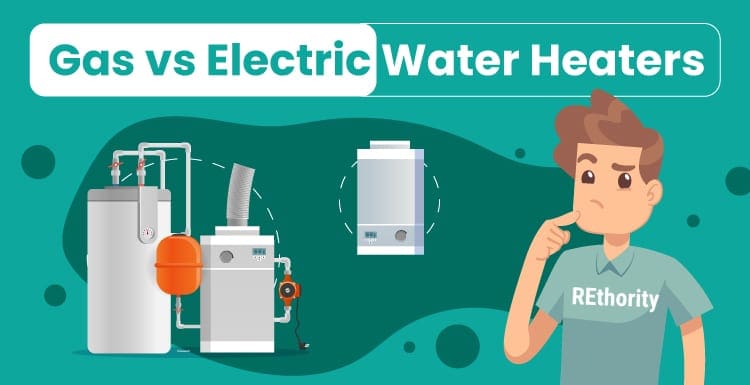
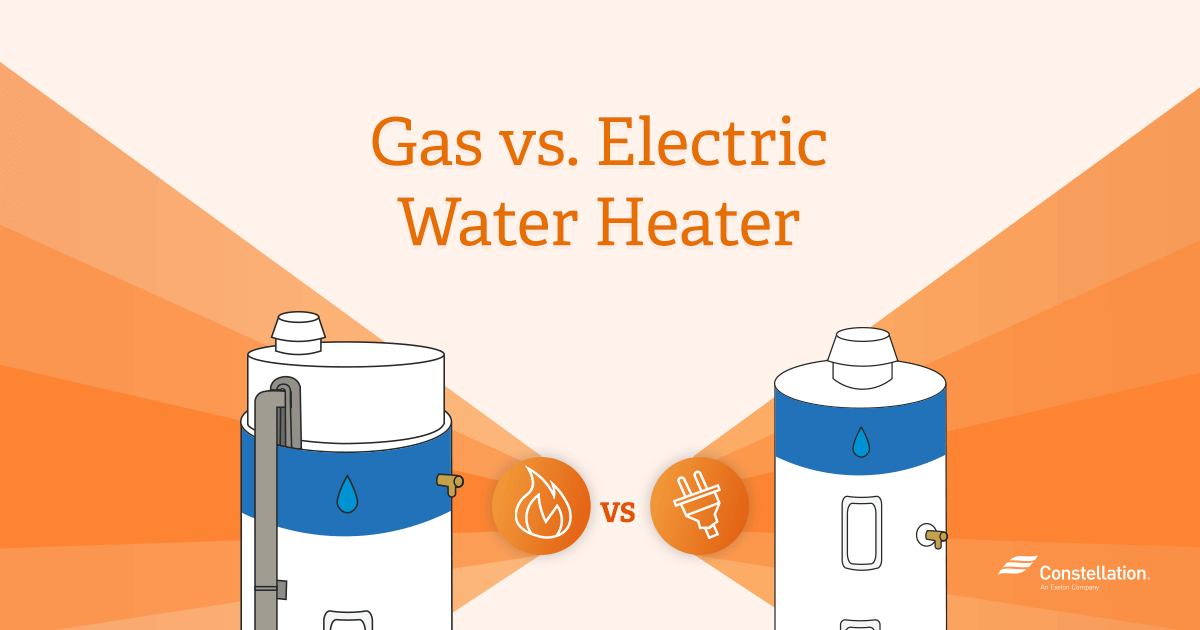
But where does all that lovely, warm H2O come from? The answer, for most of us, lies in a humble appliance tucked away in a basement, garage, or closet: the water heater. And when it comes to water heaters, the age-old debate arises: gas vs. electric. Both serve the same fundamental purpose – heating water for your needs – but they achieve it in different ways, with distinct advantages and disadvantages.
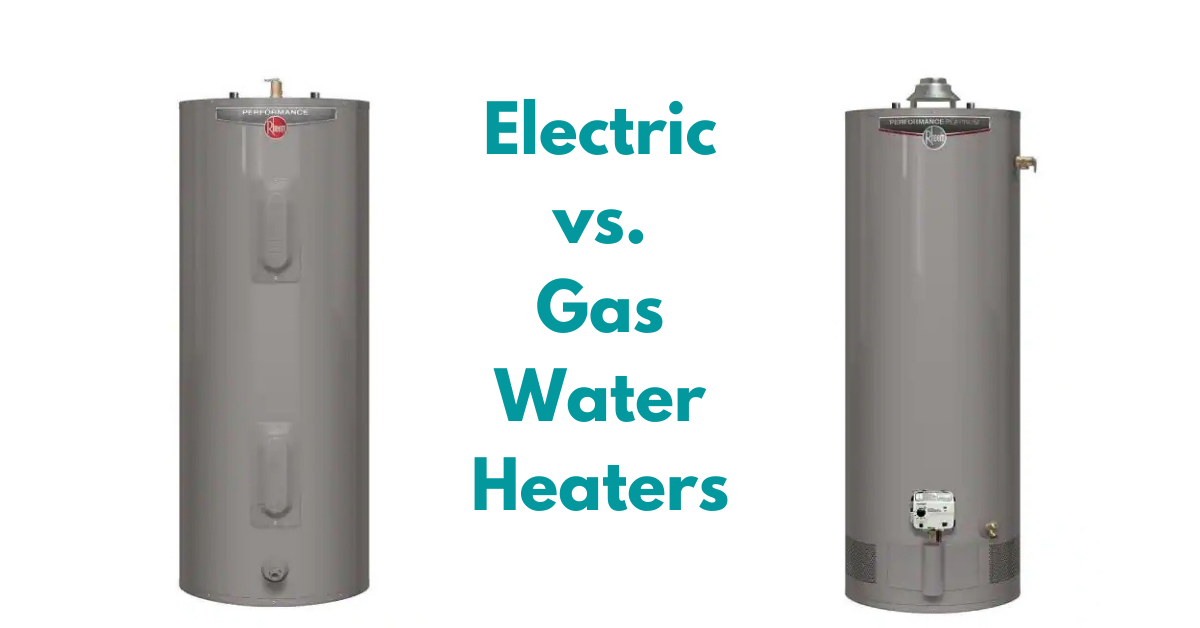
Gas water heaters, as the name suggests, use natural gas or propane to heat the water. They typically feature a burner at the bottom that heats the tank directly. A significant benefit of gas heaters is their faster heating time. They can recover quickly after a large volume of hot water is used, making them ideal for larger households with high demand. Furthermore, in many areas, gas is cheaper than electricity, potentially leading to lower energy bills over time. However, gas heaters require proper ventilation to safely exhaust combustion byproducts, which can involve a more complex and costly installation.
Must Read
On the other hand, electric water heaters utilize electric heating elements submerged directly in the water tank. These elements heat the water through electrical resistance. Electric heaters are generally easier and cheaper to install, as they don't require gas lines or ventilation systems. They are also considered safer, as they don't produce any combustion byproducts. However, electric heaters typically have slower recovery times than gas heaters, meaning it takes longer to reheat water after it's been used. And, depending on your location and electricity rates, they can be more expensive to operate.

So, how can you enjoy your water heater – whichever type you have – more effectively? Here are a few practical tips:
- Insulate your water heater: Adding an insulating blanket to your water heater can significantly reduce heat loss, saving you money on energy bills.
- Lower the temperature: Most manufacturers set the default temperature to 140°F (60°C), but 120°F (49°C) is usually sufficient and safer, especially for homes with young children or elderly individuals.
- Flush your water heater regularly: Sediment buildup can reduce efficiency and shorten the lifespan of your water heater. Flushing it annually will help remove sediment and keep it running smoothly.
- Consider a tankless water heater: While a larger upfront investment, tankless water heaters provide on-demand hot water, eliminating standby heat loss and potentially saving you money in the long run. They heat water only when you need it!
- Be mindful of your water usage: Shorter showers, fixing leaky faucets, and using water-efficient appliances can all help reduce your overall hot water consumption.
Ultimately, the best type of water heater for you depends on your individual needs, budget, and location. By understanding the differences between gas and electric models and implementing these tips, you can ensure a steady supply of hot water for years to come – and enjoy all the comforts it brings!