
Difference Between Condo And Townhomes
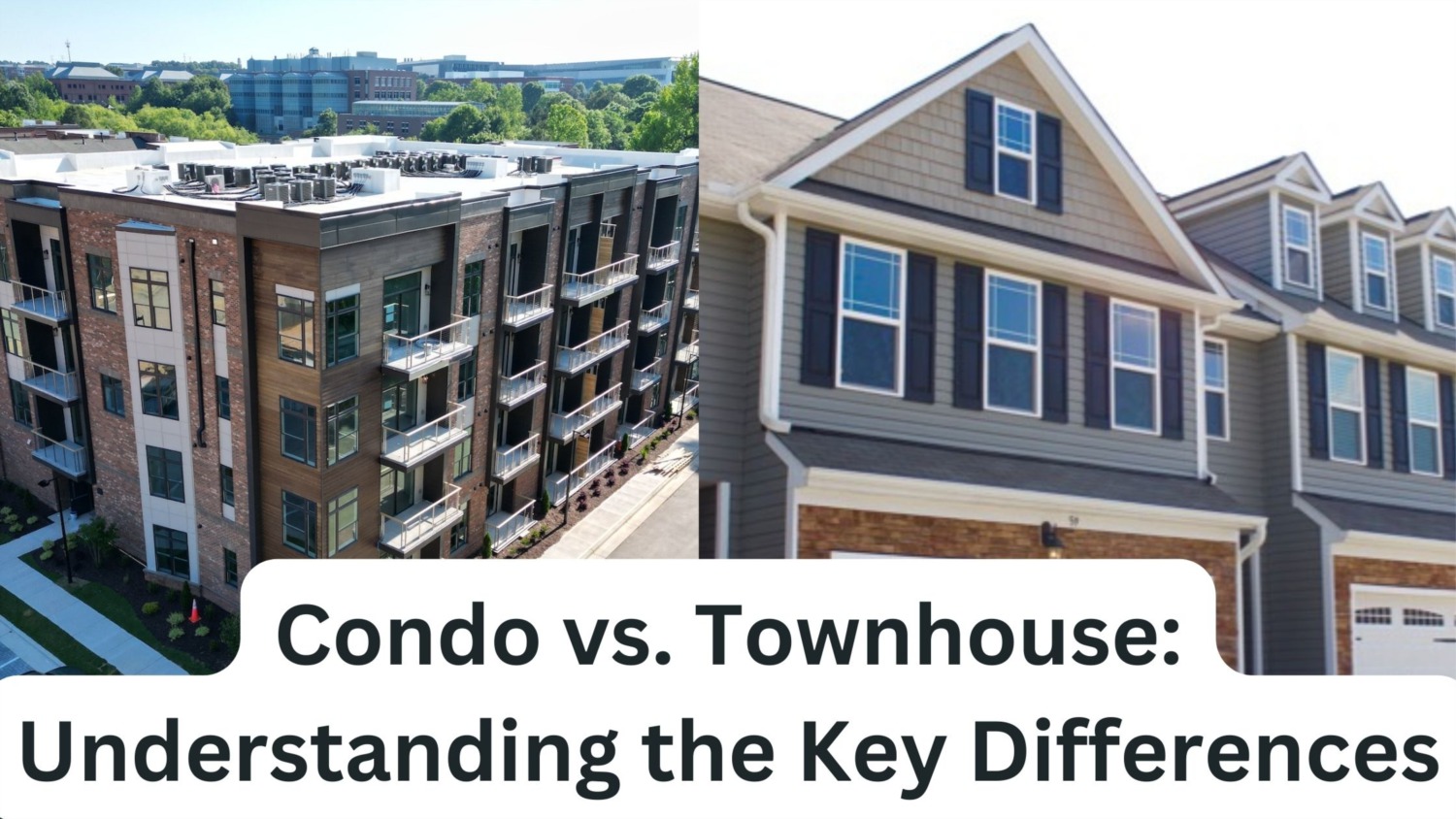
Ever found yourself scrolling through real estate listings, seeing terms like “condo” and “townhome,” and wondering, “Is there really a difference, or are they just fancy words for the same thing?” You’re not alone! It’s a common puzzler, but understanding what sets these two popular housing types apart isn't just for real estate pros – it's actually pretty fun and incredibly useful for anyone dreaming of their next home, or just curious about the world around them.
Think of it as demystifying a small but significant corner of daily life. Knowing the distinction helps you make more informed decisions, whether you're buying, selling, or just chatting with friends about their living situations. It’s not just about the look of the building; it’s about what you actually own, what you’re responsible for, and what kind of lifestyle comes with it. Essentially, we’re diving into the delightful details that define homeownership in a shared living environment.
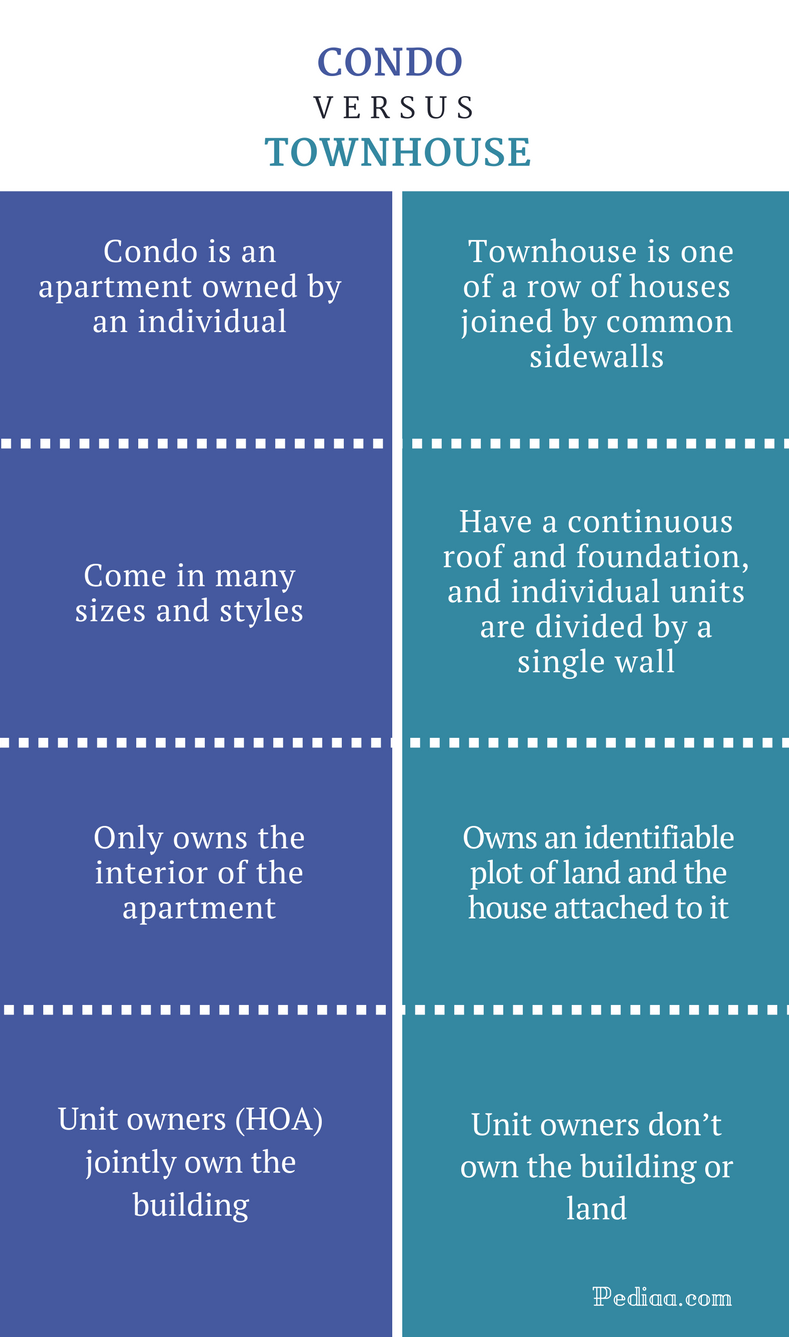
So, what’s the big deal? Let’s break it down. A condominium (or condo, for short) typically means you own the interior of your specific unit – often referred to as owning the “air space” within its walls. The exterior walls, roof, foundation, and all common areas like hallways, shared amenities (pools, gyms, clubhouses), and sometimes even the land the building sits on, are owned collectively by all the unit owners through a homeowners association (HOA). This means your HOA fees usually cover the maintenance and insurance for these common elements, taking a significant chunk of exterior upkeep off your plate. Think of a high-rise apartment building where each floor has multiple units – those are often condos.
Must Read
A townhome, on the other hand, usually means you own not just the interior of your unit, but also the exterior of the structure and the land directly beneath it. Townhomes are typically multi-story units that share one or two walls with neighboring homes, almost like a row of houses joined together. While they often come with their own HOA, the fees typically cover common elements like shared roads, community landscaping, and perhaps a shared park or pool. You, as the townhome owner, are generally responsible for maintaining your own roof, exterior walls, and any private yard space. It offers a bit more independence and often feels more like a traditional single-family home with less land.
In daily life, this difference translates to practical implications. When you're comparing insurance policies, a condo owner will typically get an HO-6 policy covering only the interior, while a townhome owner will likely need a standard HO-3 policy, similar to a single-family home. For education, understanding these distinctions is fundamental in real estate law, urban planning, and even personal finance classes, as it affects property taxes, liability, and long-term investment strategies.
Want to explore this further? It’s surprisingly simple! Start by reading real estate listings carefully. Look for keywords like "condo fees" versus "townhome HOA," and pay attention to what's included. Drive through different neighborhoods; you'll quickly spot the architectural differences that often indicate one or the other. When visiting open houses, don't be shy about asking the real estate agent exactly what the owner owns (the unit only? The land too?). You can also chat with friends who live in either type of property – they’ll likely have stories about HOA meetings, maintenance responsibilities, and the pros and cons of their setup. By paying a little more attention, you’ll quickly become an expert in distinguishing these common residential styles!


