
Difference Between Cat 4 And Cat 5 Hurricane
Okay, so you’re watching the news, hurricane season’s in full swing, and the weather person is throwing around terms like “Category 4” and “Category 5.” Sounds…intense. But what really is the difference?
Think of it like this: both are absolutely awful houseguests, but one's more likely to, well, redecorate without asking.
Wind Speed: The Need for Speed (and Destruction)
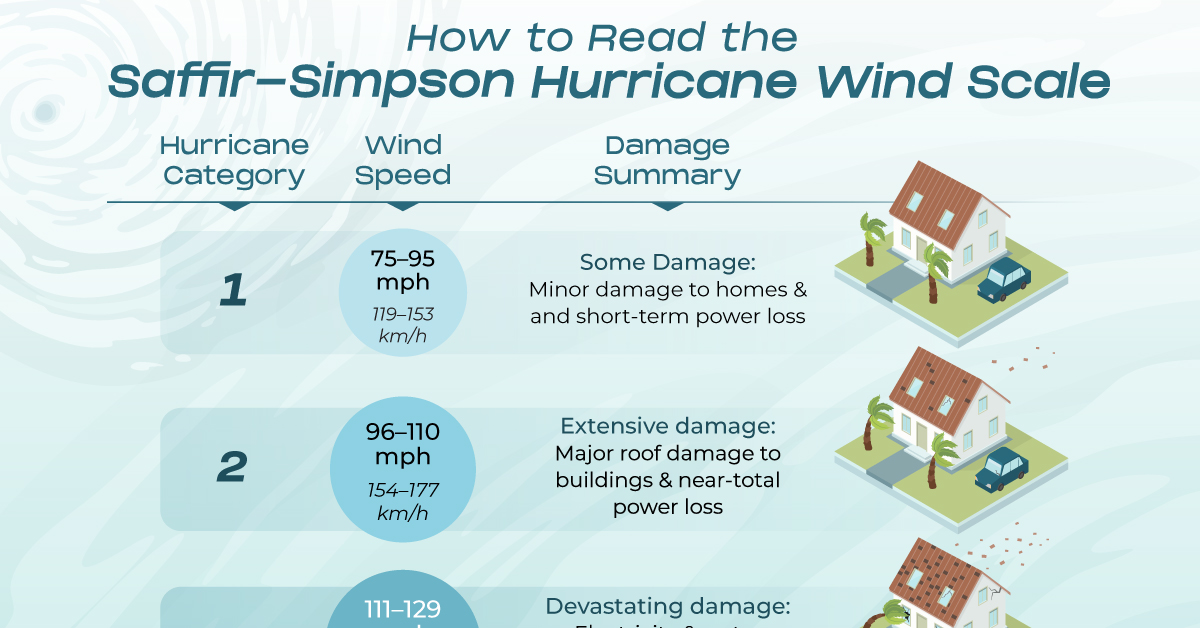
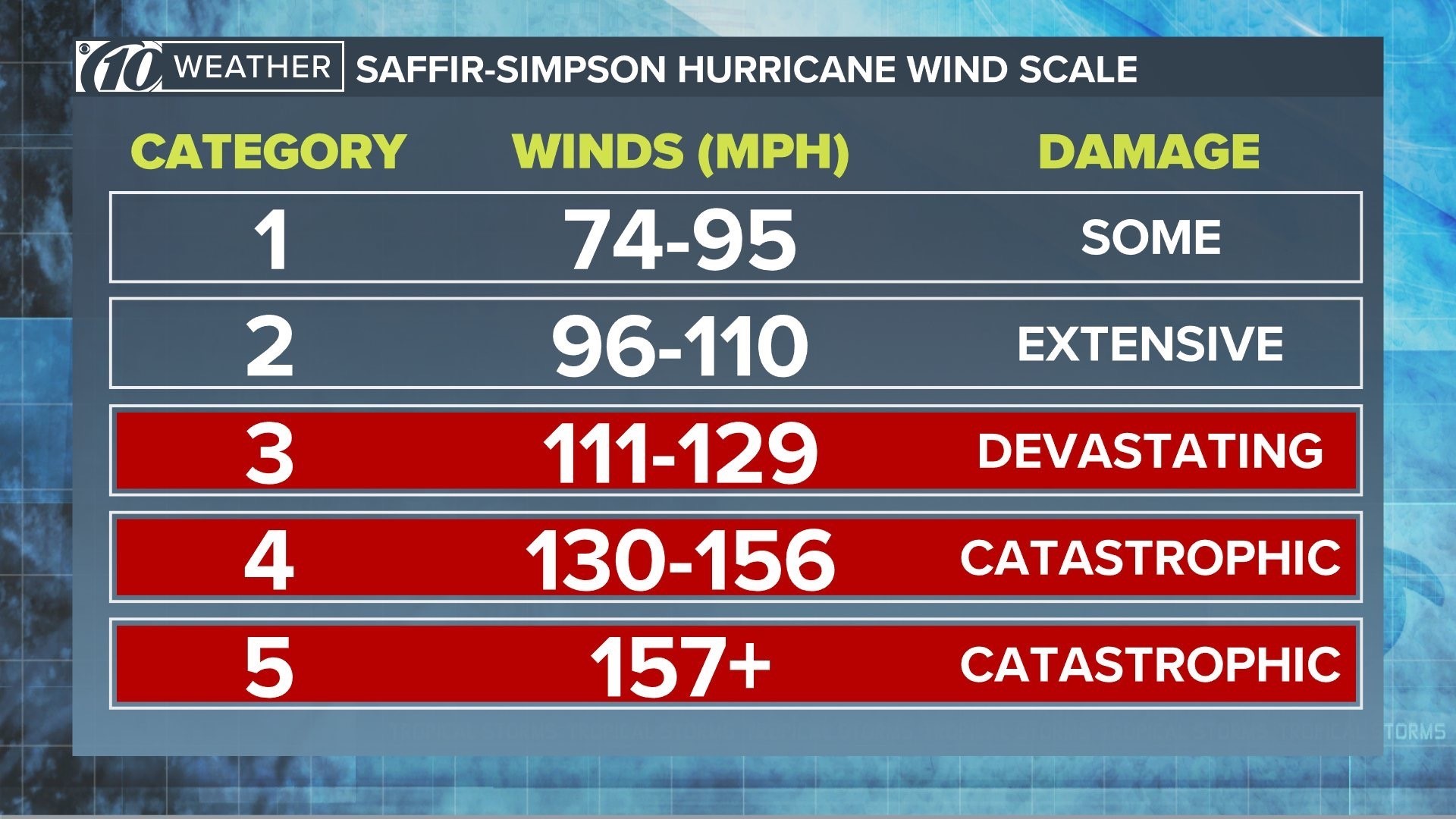
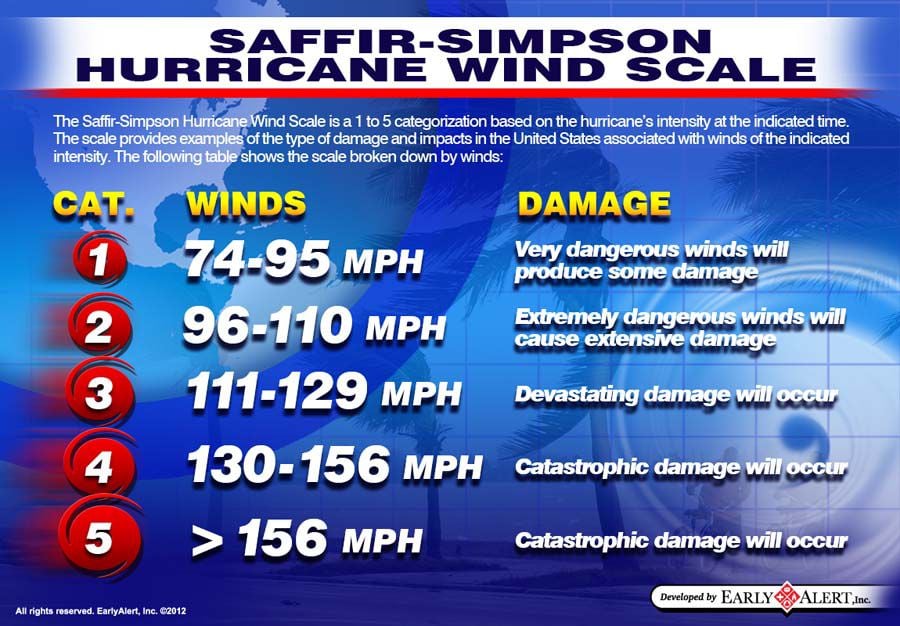
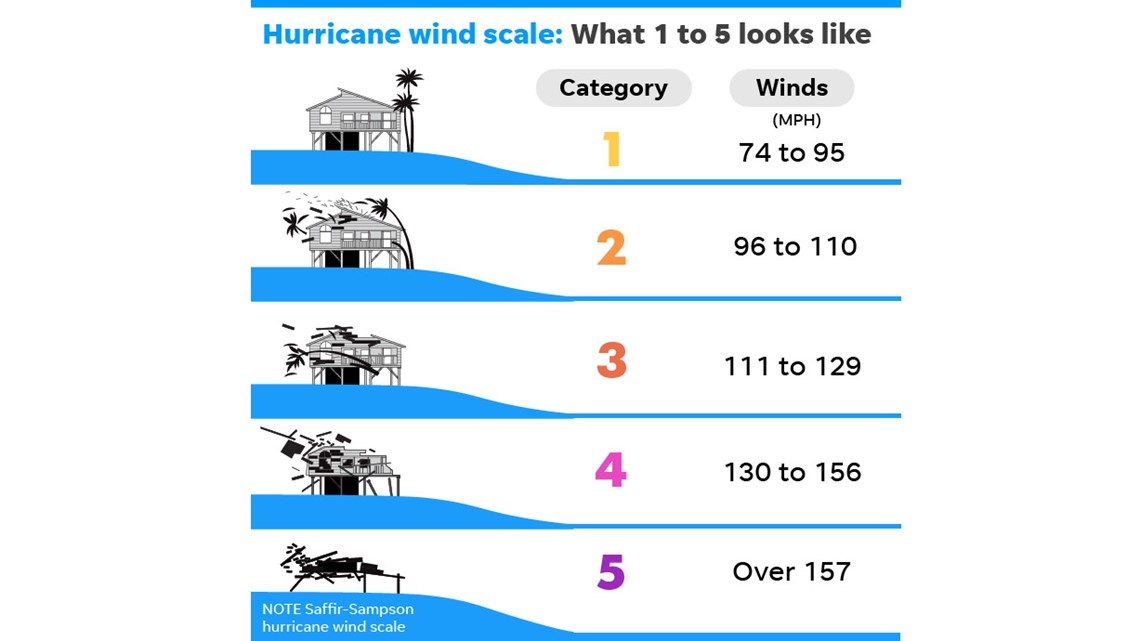
The Saffir-Simpson Hurricane Wind Scale, the official-sounding thing that determines these categories, primarily uses sustained wind speed.
Must Read
Imagine these winds like a mischievous poltergeist. The stronger the wind, the more trouble it can cause.
A Category 4 hurricane packs sustained winds of 130-156 mph. That’s like having a dozen very angry hair dryers aimed at your house, simultaneously.
A Category 5, however, is in a whole different league. We’re talking 157 mph or higher. Basically, it's Mother Nature deciding to rearrange your street.
A Visual Analogy: The Flying Cow
Let's say we have a cow. A Category 4 wind might just blow the cow over and give it a bad hair day. Unfortunate, but the cow mostly survives.
Now picture a Category 5. That cow? Probably airborne. And possibly wearing a Dorothy costume from The Wizard of Oz (okay, maybe not the costume, but you get the idea).
It’s not about the cow, of course. It's about visualizing the sheer power jump between these categories.
Damage: From Bad to Apocalyptic
Category 4 hurricanes cause “catastrophic damage.” That’s weather-speak for: trees uprooted, roofs gone, power outages that last for weeks, and your carefully curated garden…poof!
Expect significant flooding and widespread structural damage. Basically, you might need to build a new house. Or at least a really good fort.
A Category 5, on the other hand, brings “catastrophic damage” to a whole new level. Think of it as “absolutely nothing is safe.”
Complete roof failure is common. Many homes are completely destroyed. And the storm surge? Potentially devastating.
Storm Surge: The Sneaky Flood Monster
Speaking of storm surge, let's talk about this insidious creature. It’s the abnormal rise of water pushed ashore by the hurricane's winds. This is where a lot of the flooding happens.
Category 4 surges can reach 13-18 feet. Category 5? Over 18 feet! Imagine a wall of water taller than a single-story house crashing into your neighborhood.
That’s not just a little puddle; that’s a serious threat to life and property. So, heed those evacuation warnings!
The Psychological Impact: Fear Factor
Beyond the physical damage, there's the emotional toll. Experiencing any hurricane is traumatic. But the sheer terror associated with a Category 5 is…well, different.
It’s the sound of your house groaning under the wind, the feeling that the world is ending, and the fear for your loved ones' safety. That stays with you.
Recovery from a Category 5 isn’t just about rebuilding houses; it’s about rebuilding lives and communities.
Hope Amidst the Chaos: The Human Spirit
But even in the face of such devastation, there's always hope. We see stories of incredible resilience, neighbors helping neighbors, and communities coming together to rebuild.
It’s the elderly woman who lost everything but still manages a smile, the volunteers who travel from afar to lend a hand, and the local businesses that reopen their doors even when they've suffered losses.
Those stories remind us that even the most powerful hurricane can't destroy the human spirit.
Preparation: Beating the Beast
The key takeaway? Don't underestimate either category. If you're in the path of a hurricane, prepare, evacuate if told to, and listen to local authorities.
Have a plan. Stock up on supplies. Secure your home as best you can. And most importantly, stay informed.
Think of it like preparing for a very unwelcome visitor. The better prepared you are, the less damage they'll cause.

Don’t Be a Hero: Evacuate!
This is not the time to prove your bravery or test your survival skills. If you're told to evacuate, evacuate! Your life is more important than your stuff.
Trying to "ride out the storm" in a Category 4 or 5 is incredibly dangerous and puts first responders at risk if they have to rescue you.
Seriously, just go. Your Netflix queue will be waiting for you when you get back.
The Gray Areas: It’s Not Always Black and White
It's worth noting that the lines between categories can sometimes blur. A strong Category 4 can be incredibly destructive, almost on par with a weak Category 5.
Factors like the size of the storm, its forward speed, and the angle at which it hits the coast all play a role in the overall impact.
The category is a useful guideline, but it's not the whole story. Always pay attention to the specific warnings and forecasts issued by your local weather service.
More Than Just Wind: The Ripple Effect
Hurricanes aren’t just about wind and rain. They can trigger tornadoes, cause massive flooding, and disrupt entire ecosystems.
The economic impact can be devastating, especially for coastal communities that rely on tourism and fishing.
And the long-term effects of climate change are making these storms more intense and frequent. So, yeah, it's a big deal.
In Conclusion: Respect the Power
Whether it’s a Category 4 or a Category 5, hurricanes are forces of nature to be reckoned with.
They can bring devastation and heartbreak, but they also reveal the strength and resilience of the human spirit.
So, stay informed, be prepared, and respect the power of the storm. Your life, and the lives of those around you, may depend on it.
A Final Thought: Pay It Forward
After the storm passes, consider how you can help. Donate to reputable charities, volunteer your time, or simply offer a helping hand to your neighbors.
Every little bit makes a difference in the long and difficult recovery process.
Because, ultimately, we’re all in this together. And together, we can weather any storm.