Difference Between Carbon Monoxide And Carbon Dioxide
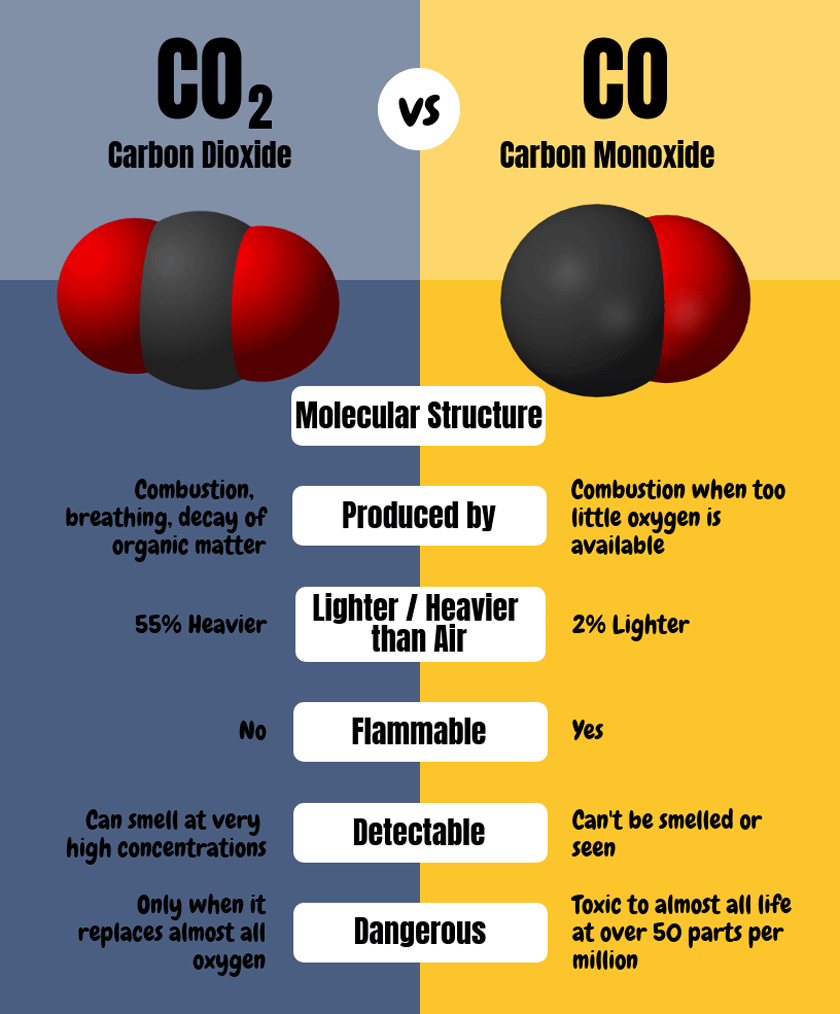
Alright, grab a mug of something warm, my friend, because we need to chat about a couple of gassy siblings who are not created equal. I'm talking about Carbon Monoxide and Carbon Dioxide. They sound so similar, don't they? Like distant cousins at a family reunion, one's the charming, if a little annoying, guest, and the other… well, the other is the one you really need to watch out for. Trust me on this one.
Carbon Dioxide (CO2): The "Everywhere" Guy
Let's start with Mr. Carbon Dioxide, or as us cool kids call it, CO2. This guy? He's practically part of the furniture. We literally breathe it out with every single exhale. Right now, you're making some! Isn't that wild?
Plants, bless their leafy little hearts, adore CO2. It's like their favorite snack. They gobble it up for photosynthesis – remember that word from high school biology? Yeah, the one that sounded fancy but basically meant "making food from sunlight." So, in that way, CO2 is pretty darn essential for life on Earth. It's a natural part of our planet's cycle.
Must Read
Now, don't get me wrong, too much CO2 isn't great. We hear about it all the time with climate change and the greenhouse effect. It acts like a cozy blanket around the Earth, trapping heat. So, while it's not immediately toxic to us in normal outdoor concentrations, its long-term, global impact is a whole different can of worms, right? But for our purposes today, just know it's what you expel, and what plants inhale. It's got one carbon atom and two oxygen atoms – simple, relatively stable, and fairly busy in the world.
Carbon Monoxide (CO): The Sneaky Villain
Okay, now let's shift gears to its shadier relative: Carbon Monoxide, or just CO. And when I say shadier, I mean like, "wears a trench coat and hangs out in dark alleys" shady. This gas is a serious problem. It's the one you absolutely need to be aware of, because it's a silent, odorless, colorless killer. Seriously, no joke. You won't even know it's there until it's too late. That's why it's so terrifying.

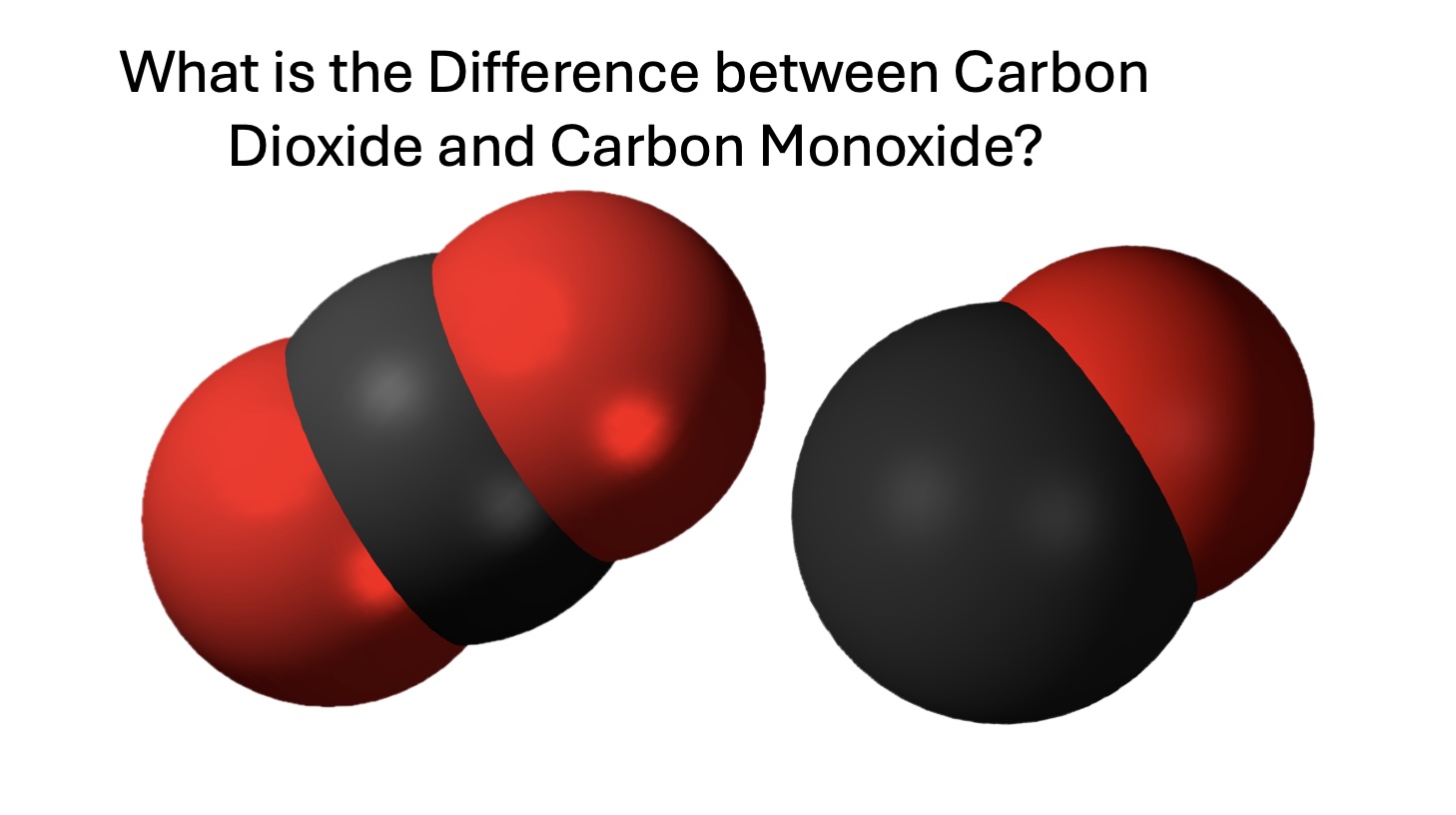
Think about it: CO2 has two oxygen atoms, all happy and stable. But CO? It's just one carbon, one oxygen. That single, lonely oxygen atom makes it super unstable and incredibly eager to bond with… well, with you.
Here’s the scary part: when you breathe in CO, it goes straight for your red blood cells. Specifically, it latches onto the hemoglobin in your blood, which is usually responsible for carrying oxygen all around your body. But CO is a real jerk. It binds to hemoglobin about 200-250 times more effectively than oxygen does! Imagine trying to get on a bus, and some VIP just shoves you out of the way and takes your seat. That's CO to oxygen, basically.

So, your body starts getting starved of oxygen, even though you're still breathing. You get symptoms like headaches, dizziness, nausea, and eventually, confusion, collapse, and loss of consciousness. It’s essentially suffocation at a cellular level, and you won't smell or see a thing. Chilling, right?
Where Does This Villain Come From?
CO is usually produced when fuels (like wood, gasoline, charcoal, natural gas, propane, oil) burn incompletely. Think about a faulty furnace, a blocked chimney, running a car in a closed garage, using a charcoal grill indoors, or a gas stove without proper ventilation. Any kind of combustion that doesn't have enough oxygen to fully burn the fuel creates CO instead of CO2. It's a sign something isn't quite right with your burning appliances.
The Bottom Line: Don't Confuse Them!
So, to sum it up:
- CO2 (Carbon Dioxide): We breathe it out, plants breathe it in. Essential for life, but too much is a climate issue. Generally not an acute toxic threat indoors in normal living conditions.
- CO (Carbon Monoxide): A highly toxic gas produced by incomplete combustion. Odorless, colorless, tasteless, and binds to your blood, preventing oxygen delivery. A direct and immediate danger to life.
See? A tiny difference in chemical structure (one oxygen atom!) makes a massive difference in their impact on us. It's truly wild how chemistry works, isn't it?
The biggest takeaway here, my friend? While you might worry about your carbon footprint with CO2, you absolutely, positively need to worry about your personal safety from CO. Go get yourself a carbon monoxide detector if you don't have one, and check its batteries regularly! It’s one of those "better safe than sorry" things that could genuinely save your life, or the lives of your loved ones. Consider it a friendly reminder from your pal who just shared a virtual coffee with you. Stay safe out there!