Difference Between A Hurricane And A Cyclone
There's something undeniably captivating about the raw power of nature, even when it's destructive. Maybe it's the sheer scale of it all, the humbling reminder of forces beyond our control. We follow weather reports with bated breath, especially when words like "hurricane" and "cyclone" start buzzing around. But have you ever stopped to wonder what the actual difference is between these seemingly interchangeable terms?
Understanding these massive weather systems isn't just an academic exercise. It's about safety and preparedness. Knowing the potential impact of a hurricane versus a cyclone in your region allows you to make informed decisions to protect yourself, your family, and your property. Think of it as equipping yourself with the knowledge to navigate potentially dangerous situations more effectively. This knowledge also impacts economic planning, disaster relief efforts, and even the way we design and build infrastructure.
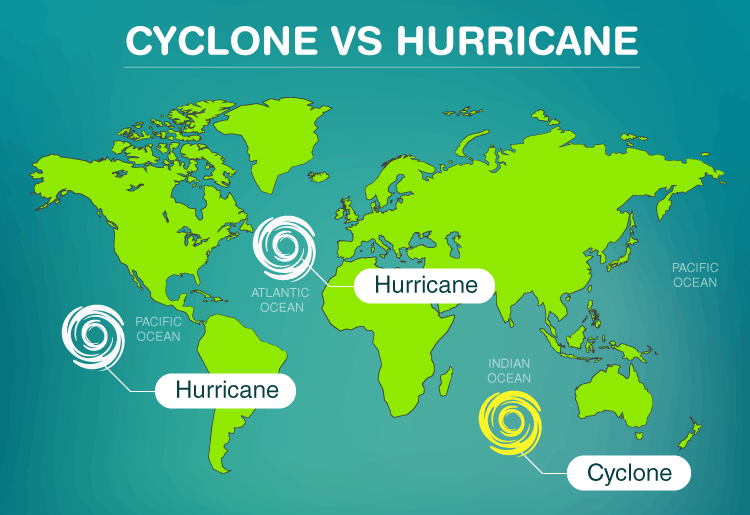
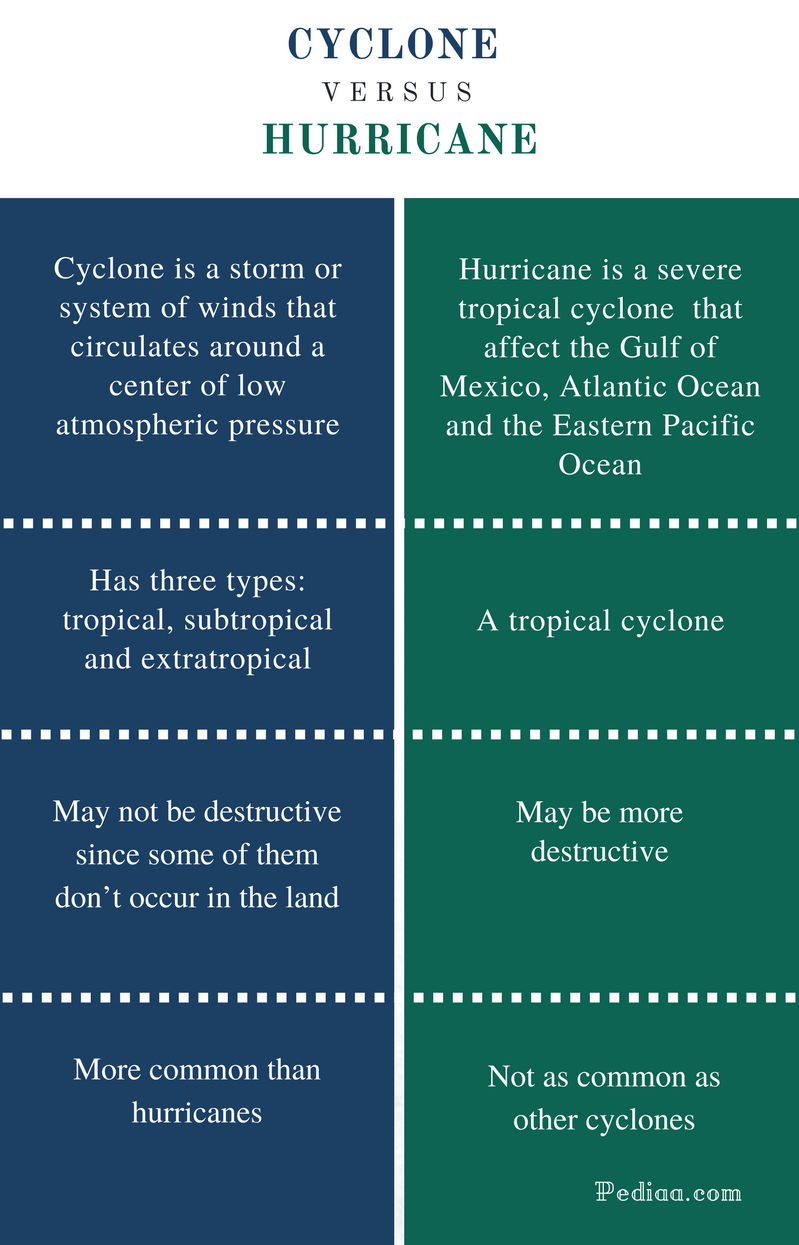
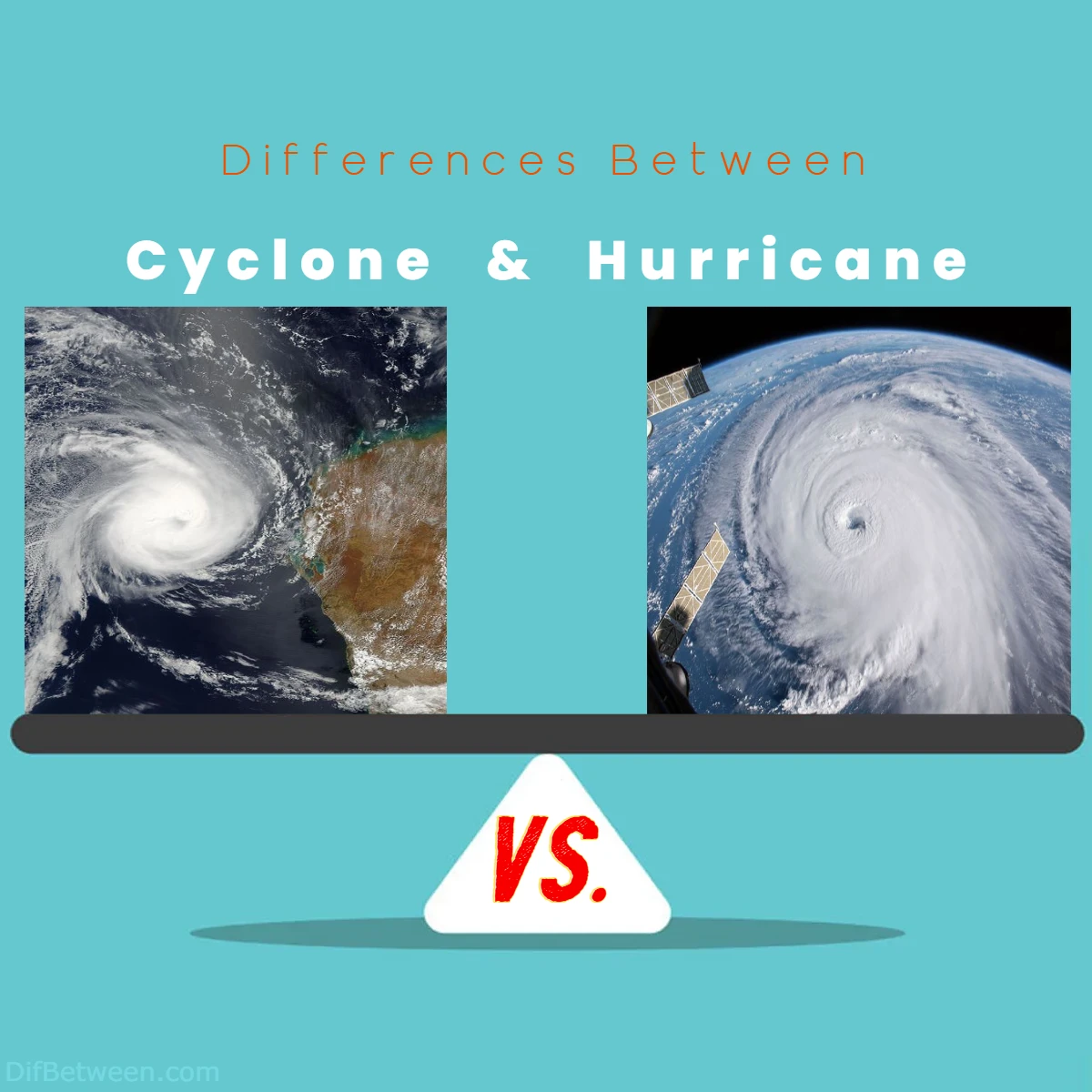
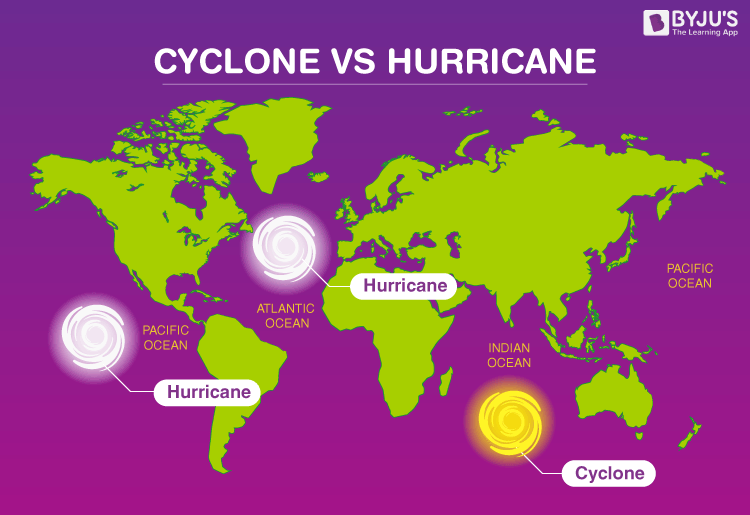
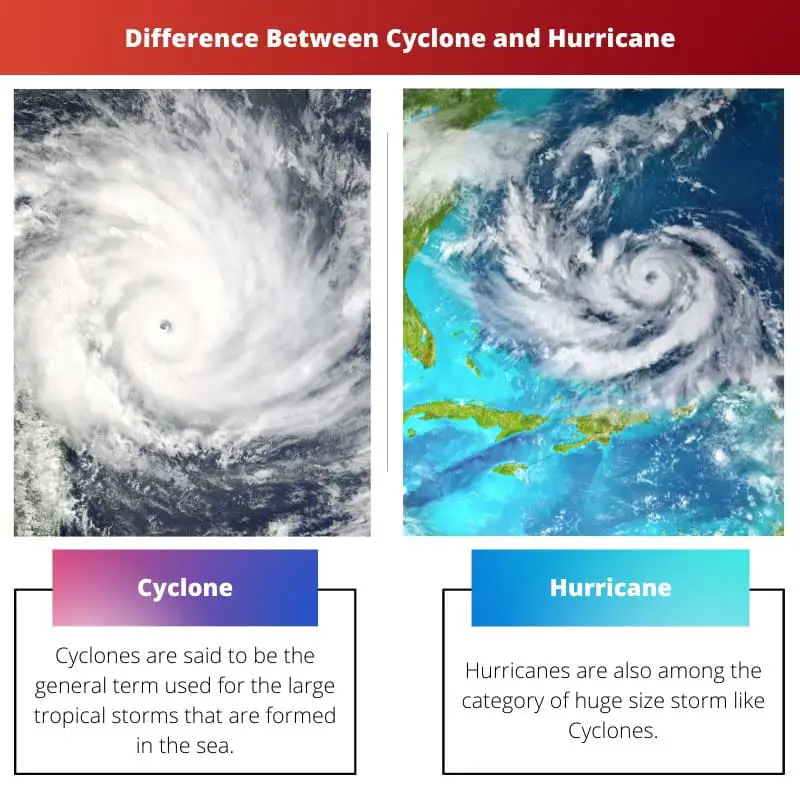
So, what's the deal? The truth is, hurricanes and cyclones are essentially the same thing: a tropical cyclone. They are large-scale, rotating weather systems with low atmospheric pressure at their center, strong winds, and heavy rainfall. The difference lies in where they form. Think of it like this: the same dish can have different names depending on the region.
Must Read
In the North Atlantic Ocean and Northeast Pacific Ocean, we call them hurricanes. Places like Florida, the Caribbean, and Mexico are very familiar with these. In the Northwest Pacific Ocean, near Asia, they're called typhoons. And in the South Pacific and Indian Ocean, including Australia and Madagascar, they are known as cyclones. See? Same storm, different name, different location.
You'll often hear about the Saffir-Simpson Hurricane Wind Scale, used to categorize hurricanes based on wind speed, ranging from Category 1 (least intense) to Category 5 (most intense). Similar scales exist for typhoons and cyclones in their respective regions. Understanding these scales helps you anticipate the potential damage a storm can cause, from minor flooding and power outages to catastrophic destruction.
To enjoy following weather patterns more effectively (and safely!), consider these tips:
- Stay Informed: Rely on reputable sources like the National Hurricane Center (NHC) or your local meteorological agency for the most accurate and up-to-date information. Avoid sensationalized media reports.
- Know Your Zone: Familiarize yourself with your local evacuation zones. Knowing whether you're in a high-risk area can save precious time during an emergency.
- Prepare a Kit: Assemble a disaster preparedness kit with essentials like water, non-perishable food, a first-aid kit, a flashlight, and a battery-powered radio.
- Have a Plan: Discuss an emergency plan with your family, including where to meet if you become separated.
- Understand the Lingo: Learn the difference between a "hurricane watch" (conditions are possible) and a "hurricane warning" (conditions are expected).
By understanding the science behind these powerful storms and taking proactive steps to prepare, we can appreciate the forces of nature from a safe distance and minimize the risks they pose to our lives and communities.